The short answer
To book Kataori you need one of three things — a seat that surfaces on OMAKASE or Pocket Concierge, the Japanese fine‑dining platforms where the restaurant releases its online inventory at unannounced moments; an introduction from someone the house already knows; or a specialist placing the request in Japanese on your behalf. There are no walk‑ins, no hotel desk that can promise this, and the telephone, which once worked, is no longer a realistic route for a visitor calling from abroad. Start four to six months before your dates, hold more than one date open, and understand that what you are making is a request rather than a reservation. Our reservation desk will submit that request and tell you plainly what the odds look like.
Why the room is this hard
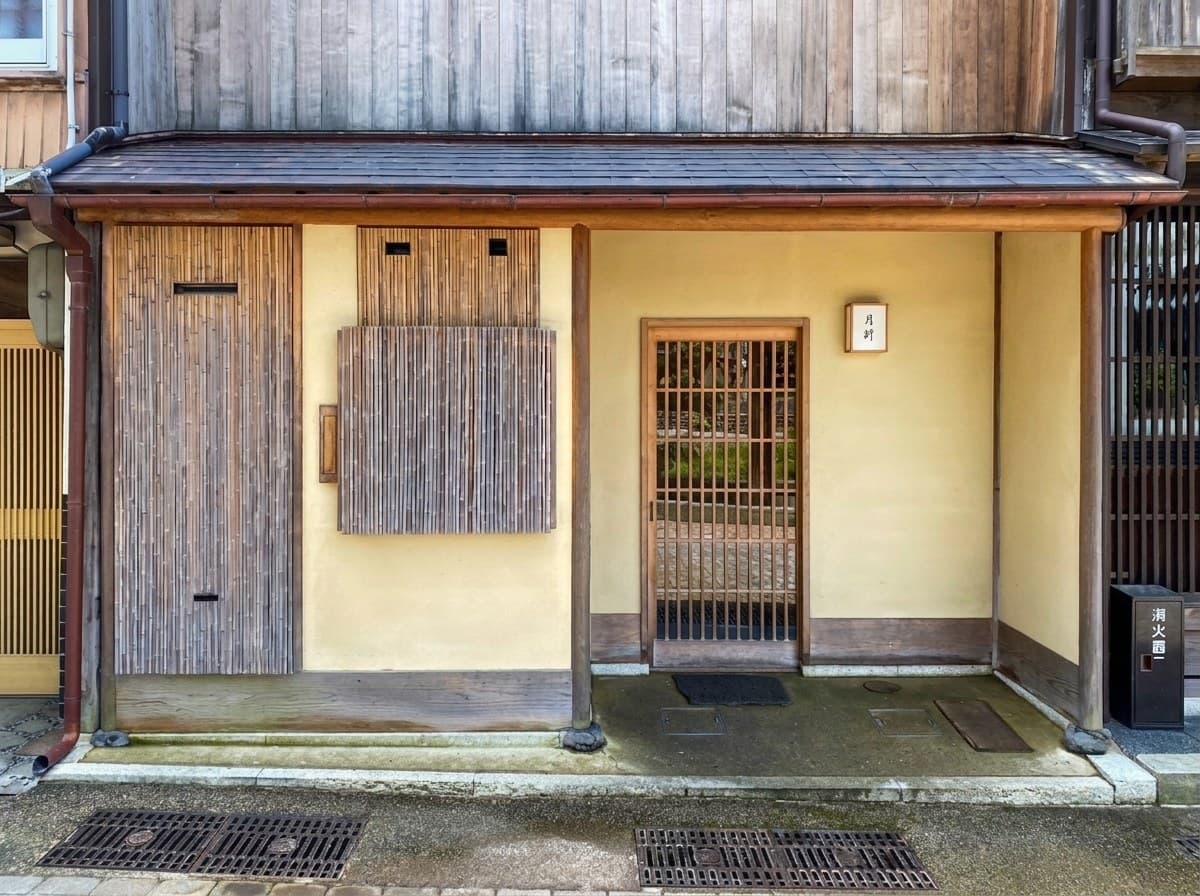
The arithmetic explains most of it. Kataori seats eight people at a counter of local ate wood in a converted townhouse near the Asano River, and there is no private room and no second dining space to absorb overflow. One chef, one counter, one omakase, rebuilt every day. Against that sits demand from the whole of Japan and, since the international rankings arrived, from most of the rest of the world.
The recognition is worth stating precisely, because loose claims circulate. Kataori was ranked No.1 in OAD’s Top Restaurants in Japan list for 2025, and No.2 on the same list for 2026. It was awarded two stars in the MICHELIN Guide Hokuriku 2021 special edition — a one‑off regional volume, and Ishikawa has not had a regular annual selection since, so we attribute that award to its edition rather than assert a present‑tense star count. It took a Tabelog Gold Award again in 2026, with a score of about 4.7 as of September 2026. If the difference between those three verdicts is unfamiliar, our note on Michelin versus Tabelog is the shortcut.
The chef, and the dashi
Takuya Kataori was born in Himi, on the Toyama coast. He spent eleven years at the Kanazawa ryotei Tsuruko, rising to second in the kitchen, then moved on to head a Kanazawa kaiseki kitchen of his own before opening his eight‑seat house in May 2018.
What people travel for is the broth. Katsuobushi from Makurazaki is shaved in front of you rather than in advance; Rishiri kelp is cold‑steeped for some forty hours in spring water the kitchen sources itself, a supply that had to be moved after the 2024 Noto earthquake disrupted the original spring. Admirers call the result the life dashi, and the whole menu is arranged around it — roughly eleven courses of subtraction, where the cooking is mostly a matter of getting out of the ingredient’s way. If the format itself is new to you, start with what kaiseki is.
The daily run to Himi and Noto
Kataori does not have his fish delivered. He drives — to the dawn auctions at Himi where he grew up, north into the Noto peninsula, to Nanao and out to Suzu at the tip for the matsutake bids in autumn. Two to three hours each way, most days, before service. That is why the menu cannot be published in advance and why the room cannot scale: the day’s meal is whatever he found and could carry back.
It also shapes the calendar. Late autumn brings matsutake; November and December bring the Hokuriku crabs, kobako and zuwai, and those weeks are the hardest of the year to book anywhere in Kanazawa, not only here.
How booking actually works now
Three channels, in descending order of realism for a foreign guest.
The members’ platforms. Online seats are released through OMAKASE, which requires a registered account and, as of September 2026, charges a small handling fee per seat and allows at most one Kataori booking per quarter; Pocket Concierge also lists the house and offers vacancy alerts. Release windows are not announced. When inventory appears it is gone in seconds, and the pattern of appearances is not something anyone outside the restaurant can predict reliably. Anyone who tells you they know the exact drop time is guessing.
Introductions and regulars. Most of the counter never reaches a public platform at all. Seats circulate among people the house already knows, and a first‑time guest arriving with a regular’s introduction is the normal way in. This is closer to the introduction‑only model than to anything a booking form describes, and it is the single biggest reason you cannot book Japan’s best restaurants by trying harder online.
A specialist or hotel concierge. What a desk in Japan adds is Japanese‑language handling, someone watching the release windows, and existing relationships. It does not add certainty. Be wary of any service selling a guaranteed Kataori seat — resold introductions have a habit of evaporating at the door.
One practical note before you commit: at this level a booking is a commitment, and cancellation charges apply on a sliding scale in the days before service. Read our cancellation policy guide before you fix travel around a confirmed seat.
Lunch or dinner
Both draw on the same eight seats and the same morning’s sourcing, so neither is a soft option. As of September 2026, lunch is served Monday to Saturday and dinner Monday to Friday, which slightly widens the target and suits a same‑day arrival from Tokyo. Dinner carries the longer evening and, in matsutake season, a later start. The right answer for most travelers is to ask for either, across several dates, rather than to specify.
Getting there, and the trip around it
Kanazawa is roughly two and a half hours from Tokyo Station on the Hokuriku Shinkansen; the fastest Kagayaki services run a little under two and a half hours, and every Kagayaki car is reserved, so book the train as soon as your dates are set. From Kanazawa Station the counter is a short taxi ride, in the machiya lanes near the Asano River and a few minutes’ walk from the Higashi and Kazue‑machi teahouse districts.
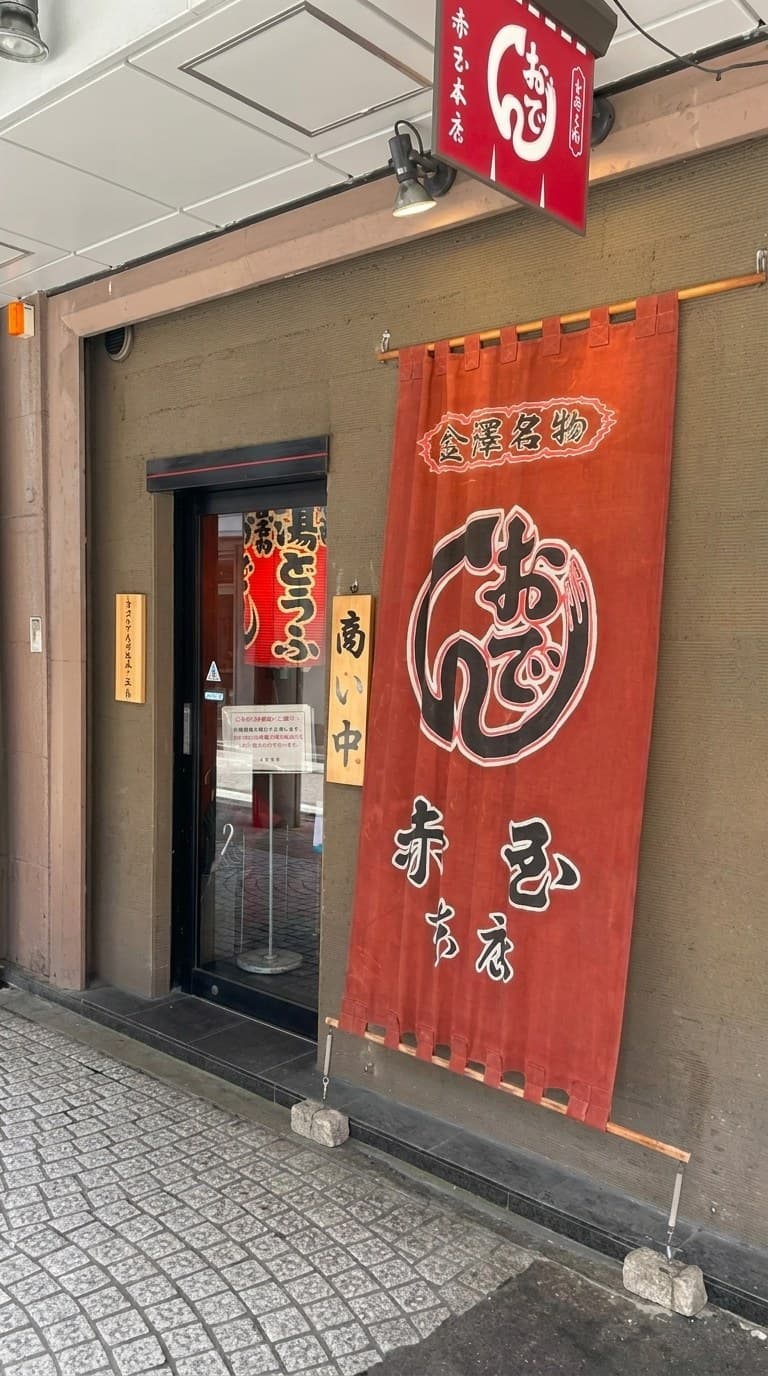
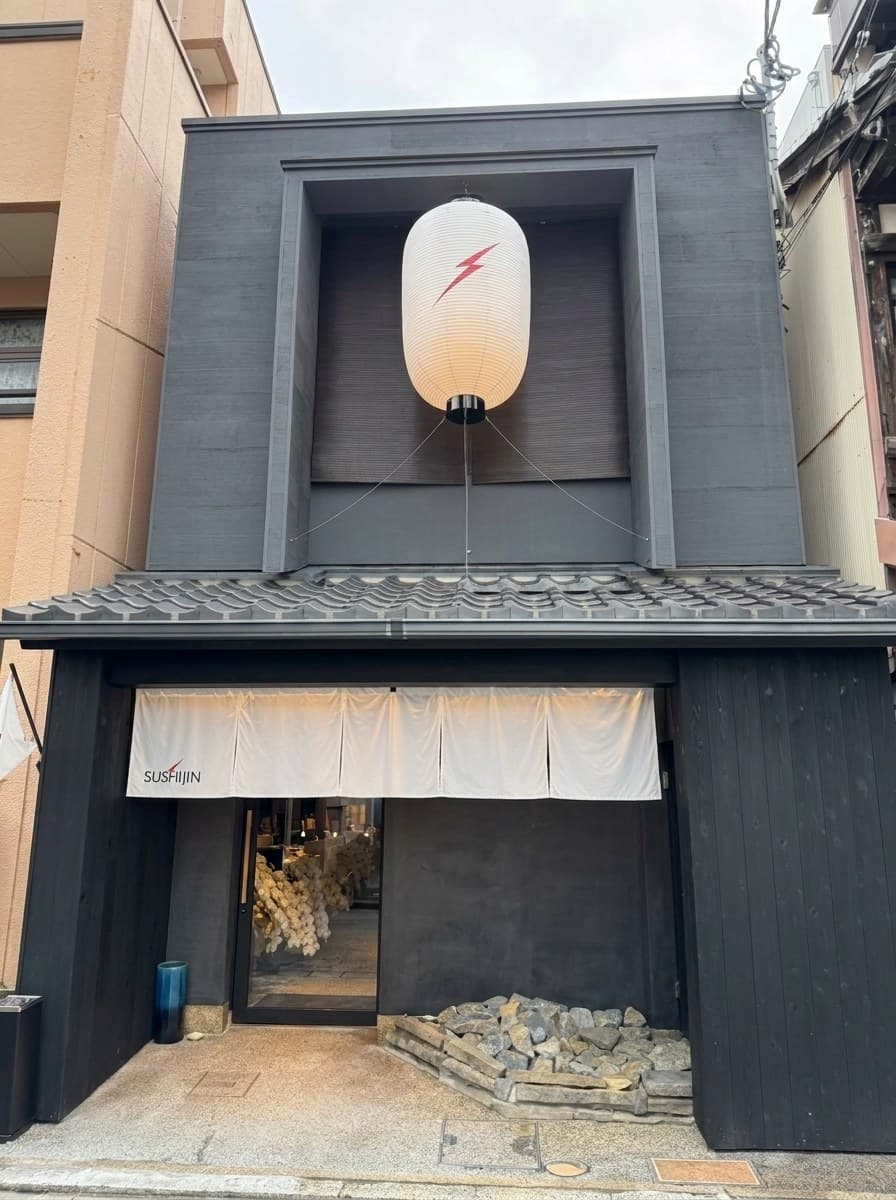
Build the trip so the meal is not carrying the whole journey. Kenrokuen, the 21st Century Museum, and the gold‑leaf and Kutani workshops fill a day; a winter night can end at Kanazawa Oden Akadama with crab packed back into its shell, and a second dinner works well at Daikumachi Sushijin Hanare, another eight‑seat counter reading the same Sea of Japan catch. Our Kanazawa food guide and the 48-hour itinerary lay out the rest.
Honest expectations
We would rather set this straight than sell it. Kataori is a request, and requests fail — most often because eight seats and a fixed set of travel dates simply do not intersect. What improves the odds is unglamorous: more lead time, more candidate dates, flexibility between lunch and dinner, a party of two rather than four, and avoiding crab season if you can bear to.
If you would like us to try, tell us your Kanazawa nights and how much latitude you have around them. We will place the request, work the release windows in Japanese, and line up a strong alternative counter in the city for the same evening — so that if the answer is no, the trip is still worth taking.