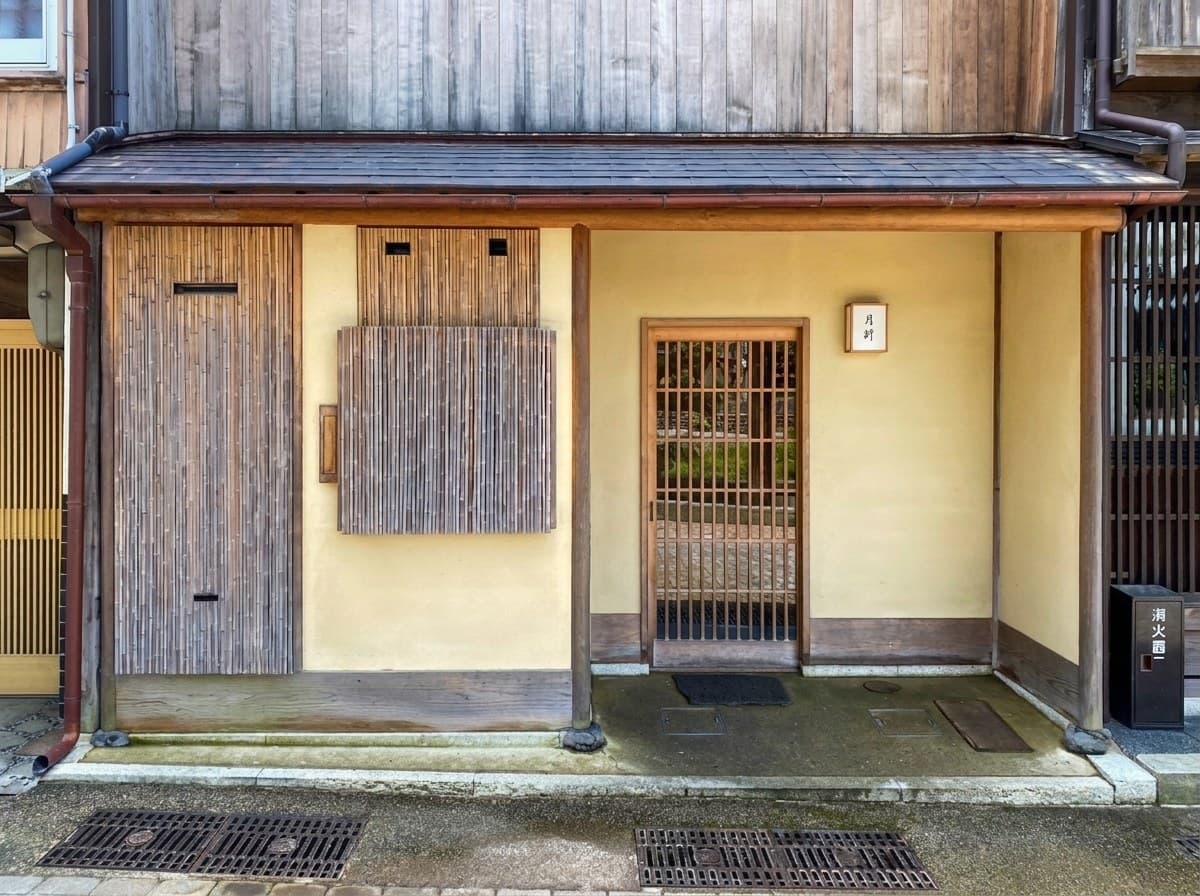
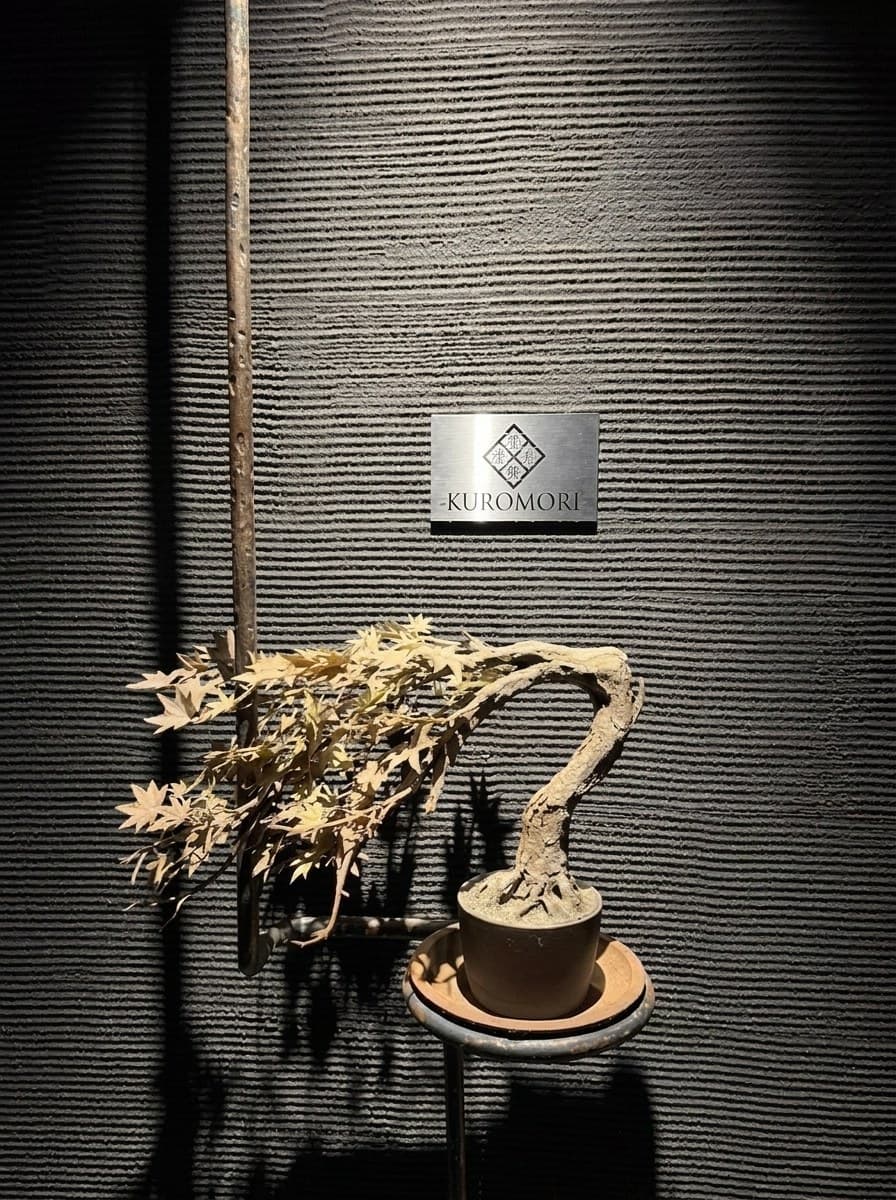
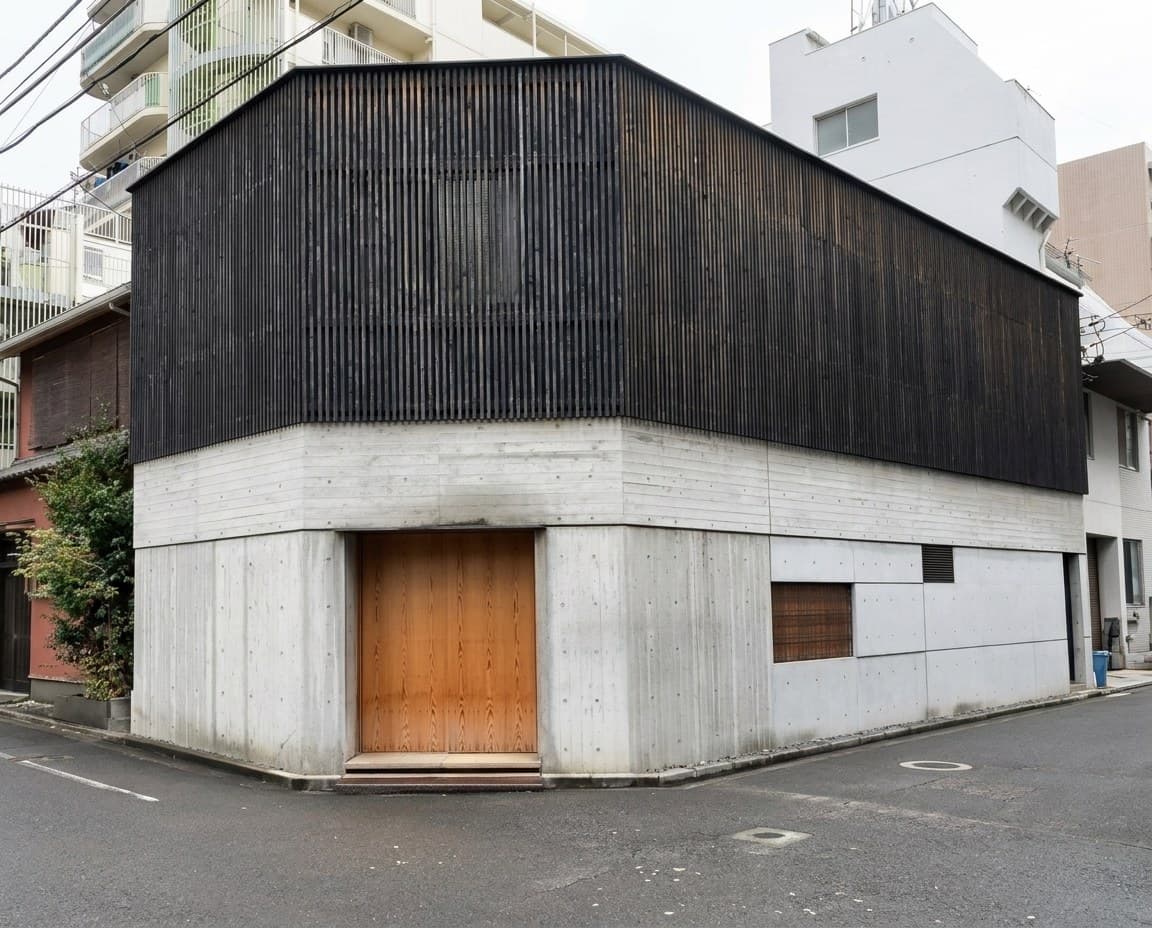
If you have ever searched for a reservation at Sugita, Higashi‑Azabu Amamoto or Kataori and landed on a black‑and‑white page asking you to log in, you have met OMAKASE — the reservation platform at omakase.in. It is not a concierge, not a marketplace, and not designed for tourists. It is a booking back‑office that a concentrated group of Japan’s most sought‑after counters chose to use, and understanding its rules is the difference between a seat and a refresh button.
What OMAKASE is
OMAKASE describes itself as a reservation‑management service for top restaurants in Japan: the restaurant takes bookings on the web, manages its book, and pushes cancellation notices to registered diners. For the diner, that means one account, one card on file, and one set of house rules across dozens of counters. The interface is available in English; the customer‑support articles are bilingual. The culture, however, is entirely Japanese — timed releases, strict cancellation terms, and no phone number to argue with.
In our release calendar, OMAKASE is the single largest platform: more than fifty houses, among them Nihonbashi Kakigaracho Sugita, Higashi‑Azabu Amamoto, Hatou, Sushi Saito Azabudai, Quintessence, L’Effervescence, Kataori in Kanazawa, Kesennuma Kuromori and Kurumasushi in Matsuyama. See our house pages for Kataori, Kuromori, Kurumasushi, Daikumachi Sushijin Hanare and Tokiwa Sushi.
The fee, plainly
- ¥390 per seat, charged at the moment the reservation completes.
- Not refunded if you cancel. Cancel and rebook, or change the head count, and you pay it again.
- Course prices are settled at the restaurant, except at houses that require prepayment through the platform.
- A Premium program (calendar of release dates, seat‑availability alerts, priority email) is offered on monthly and annual plans. Its price is not published in the public help center as of September 2026, so we will not guess.
Figures above are from OMAKASE’s official help center, as of September 2026.
What you need before release day
- A mobile number that receives SMS. Registration is confirmed by a 4-digit code. OMAKASE’s own troubleshooting page mentions wrong country codes as a common failure, which tells you overseas numbers are expected — but landlines, some budget SIMs and SMS‑blocked plans will not work.
- A credit card. Visa, Mastercard, American Express, JCB or Diners. Debit and prepaid cards are refused. The card is used for the ¥390 fee, for cancellation or no‑show charges, and for prepaid courses where required.
- A working email address — winners of the raffle are notified there.
Raffle versus first‑come
Most houses on OMAKASE release seats in drops: a monthly window (often the first of the month at a fixed time), a quarterly batch (Amamoto’s famous race, explained in How to Book Higashi‑Azabu Amamoto), or a rolling window. Popular houses add a raffle in front of the drop:
| Step | What happens | Timing |
|---|---|---|
| Enter | A raffle button appears on the restaurant page; one entry per 24 hours | About one week before the release date |
| Draw | The system draws automatically; winners are emailed | The day before the release |
| Priority window | Winners book from a reserved pool — enough seats for every winner, though not necessarily your first‑choice date or party size | Usually a few hours before the general release |
| General release | Everyone else, including raffle losers, competes first‑come | Release time — it varies by house (midnight, 09:30, noon and 14:00 JST all occur) |
OMAKASE states that more entries raise your odds, and that losing the raffle does not exclude you from the general drop. What it does not say — and what experience confirms — is that at the top ten houses the general drop is effectively gone within a minute.
Cancellation
There is no grace for illness, delayed flights or a mistaken date. Cancellation fees follow each restaurant’s own policy, which you accept when the booking confirms, and are charged to the registered card. OMAKASE explains the strictness openly: small counters buy fish against your name the moment you book. A third‑party cancellation insurance is offered at booking; its terms are the insurer’s, not the platform’s. Read Japan’s restaurant cancellation culture before you commit to a date you might not make.
How overseas guests fail
- The SMS never arrives. A wrong country code, a landline, or a carrier that blocks short codes. Fix it days before the drop, not at 11:58.
- Debit card on file. Registration looks fine until the fee fails and the seat is released.
- Time zone arithmetic. Noon Tokyo is 23:00 the previous evening in New York and 04:00 in London during summer time (an hour earlier in winter). Set two alarms.
- Reading the raffle as a lottery for the seat. It is a lottery for early access. Winners still have to move quickly.
- Assuming a Michelin or Tabelog listing means the house is bookable. Some houses on OMAKASE list only a handful of seats and keep the rest for regulars — see why you can’t book Japan’s best restaurants.
How overseas guests succeed
Register weeks early. Favourite every house you care about so its dates appear in your account. Enter every raffle, every day. Have two or three target dates and be willing to eat on a weeknight at 17:00. And accept that OMAKASE is one channel among several: our 2026 guide to booking high‑end restaurants in Japan maps which houses live on which platform.
Where we fit
We do not hold OMAKASE accounts on your behalf, and we do not enter raffles in your name — the terms of the platform are personal. For a house that sells on OMAKASE, our desk can phone the house and ask; if no seat can be secured, nothing is charged. We also handle the part OMAKASE cannot: the phone‑only houses in our collection that never joined any platform. For those, our desk calls in Japanese from Tokyo, and you pay a booking fee of ¥6,000 per seat — charged only if we secure the table and after you approve it, non‑refundable after that, with the restaurant’s own cancellation terms passed through at cost. No seat, no fee. If your OMAKASE drop fails, tell us the dates and we will line up alternatives of real character. Details on how it works.
To see TableCheck, OMAKASE, Ikyu, Tableall and Pocket Concierge side by side, read Japan restaurant booking sites compared.