In shortSushi — Setouchi fish, Ginza-trained knife work. Reservations run in Japanese and are hard to place from abroad, so our Tokyo desk requests the table for you, by phone and in Japanese.
Price
Omakase ¥27,500, tax included (about half the Ginza rate for this pedigree)
Hours
Dinner — two seatings, 17:00 and 19:30, every day it opens
Closed
Wednesdays and irregular days
Seats
8 — counter only
Private rooms
None — counter only; buyout possible
Payment
Cards accepted (no e-money or QR codes) · a service charge is added separately
Getting there
Katsuyama-chō tram stop, Matsuyama — 90 min flight from Tokyo; Dōgo Onsen is 10 min away by streetcar
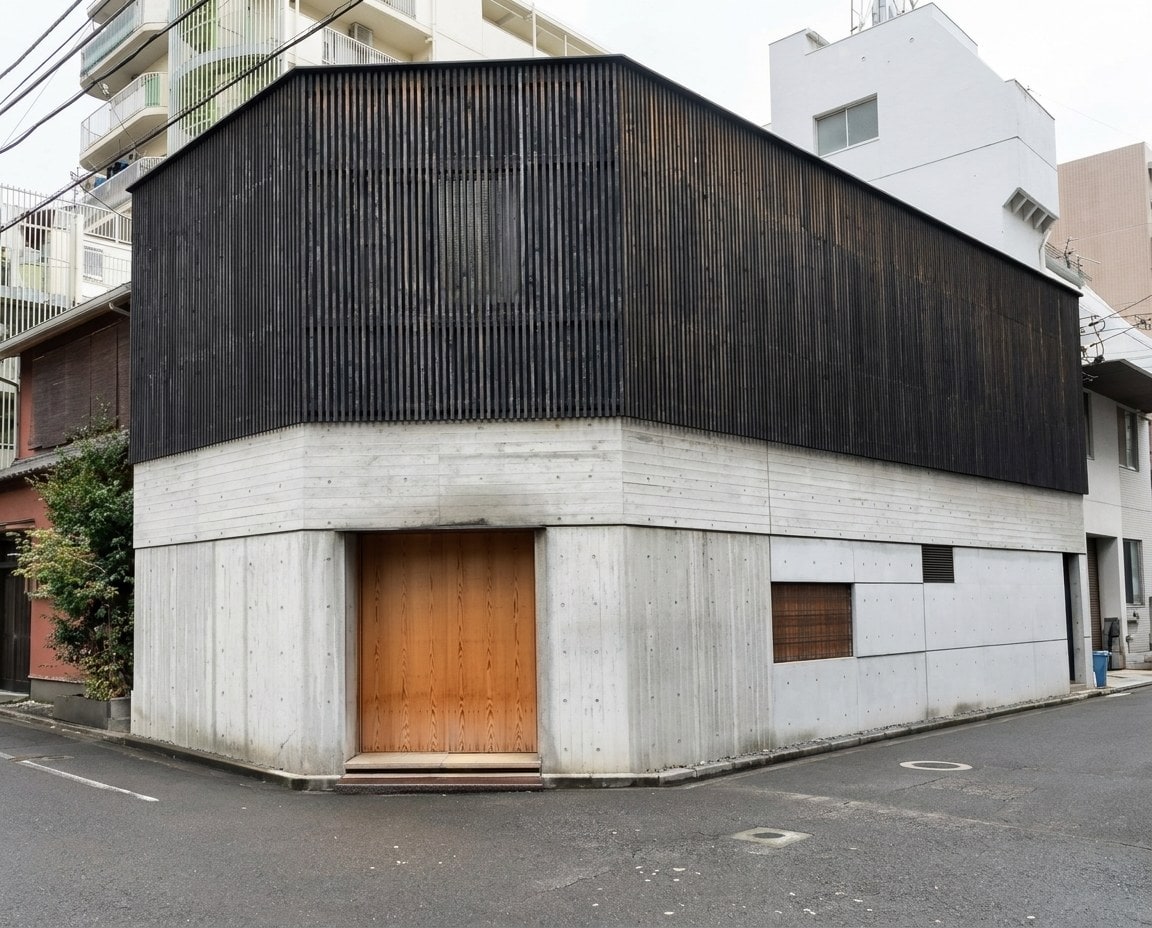
Koji Takahira’s father opened this shop in Matsuyama in 1976 as a
neighborhood sushi‑ya — the ordinary, family‑run kind of sushi
restaurant every Japanese town once had. The son left for Ginza,
trained at Sushi Aoki and then for five years at Sushi
Yoshitake, came back to Ehime in 2016, and took over the counter in
2017. Eight years later, in 2025, The Japan Times named Kurumasushi a
Destination Restaurant — the first restaurant in Shikoku ever
selected. The fish is almost entirely Ehime: much of it bought
directly from Junichi Fujimoto, an Imabari fisherman known for
ike‑jime — spiking the fish’s nervous system at the moment of catch
so the flesh keeps its texture and clarity.
What you eat
His word for himself is kuroko — the black‑clad stagehand whose job
is to make the fish shine. Sea bream, the emblem of these waters,
served two ways at two temperatures. Managatsuo, the silky Japanese
butterfish, cut with a blade honed for exactly that softness — he
argues even the steel in the knife changes how a fish tastes. And the
signature the award judges singled out: hamo, the bony summer pike
conger, its fine bones drawn out one by one with the knife tip
instead of the usual honegiri, the dozens of rapid cuts that shatter
them — a texture that exists almost nowhere else. The rice is
seasoned with rice vinegar, a trace of akazu (red sake‑lees vinegar),
and no sugar at all.
The booking reality
Eight counter seats, sold in two fixed seatings at 17:00 and 19:30,
closed Wednesdays and on irregular days. Reservations come through
three doors: the telephone in Japanese (089‑932‑3689), Pocket
Concierge, and OMAKASE, which opens the whole month two months ahead
on the 1st at 14:00 JST and allows one booking per month. The house
rules are exact: cancellation fees of 50% from seven days out and
100% from three days out, a seat released if you arrive thirty
minutes late, no perfume, guests from middle‑school age up. None of
this is hostile; it is how eight seats survive. But it is a lot to
navigate in a language you don’t read, which is where a desk that
works in Japanese — watching the calendar, confirming the fine print,
timing dinner around your Dōgo Onsen soak — earns its keep.
Measure sushi by the knife, not the postcode — or want the classic
Matsuyama night: the restored Dōgo Onsen bathhouse, the original
castle on the hill, and eight seats of Setouchi water made edible.
Free release-date alerts: the day before, on the morning of release day (08:00 JST) and about 30 minutes before when the time is known — or a weekly summary if the house opens a little every day.
Kurumasushi: common questions
Can you book Kurumasushi from abroad?
Yes, through our Tokyo desk. OMAKASE opens the whole month two months ahead on the 1st at 14:00 JST (one booking per month); the phone (089-932-3689, Japanese) and Pocket Concierge also take bookings — eight seats, two seatings, cancellation fees from seven days out. We call the restaurant for you, in Japanese, and the ¥6,000-per-seat fee is charged only if we confirm your table — no seat, no fee.
Some of these links are referral links: if you book through them we may earn a small commission, at no extra cost to you. Restaurants never pay us to be listed or ranked. Editorial policy
Cite this page
Facts on this page were checked by our Tokyo desk. You are welcome to quote them with a link: