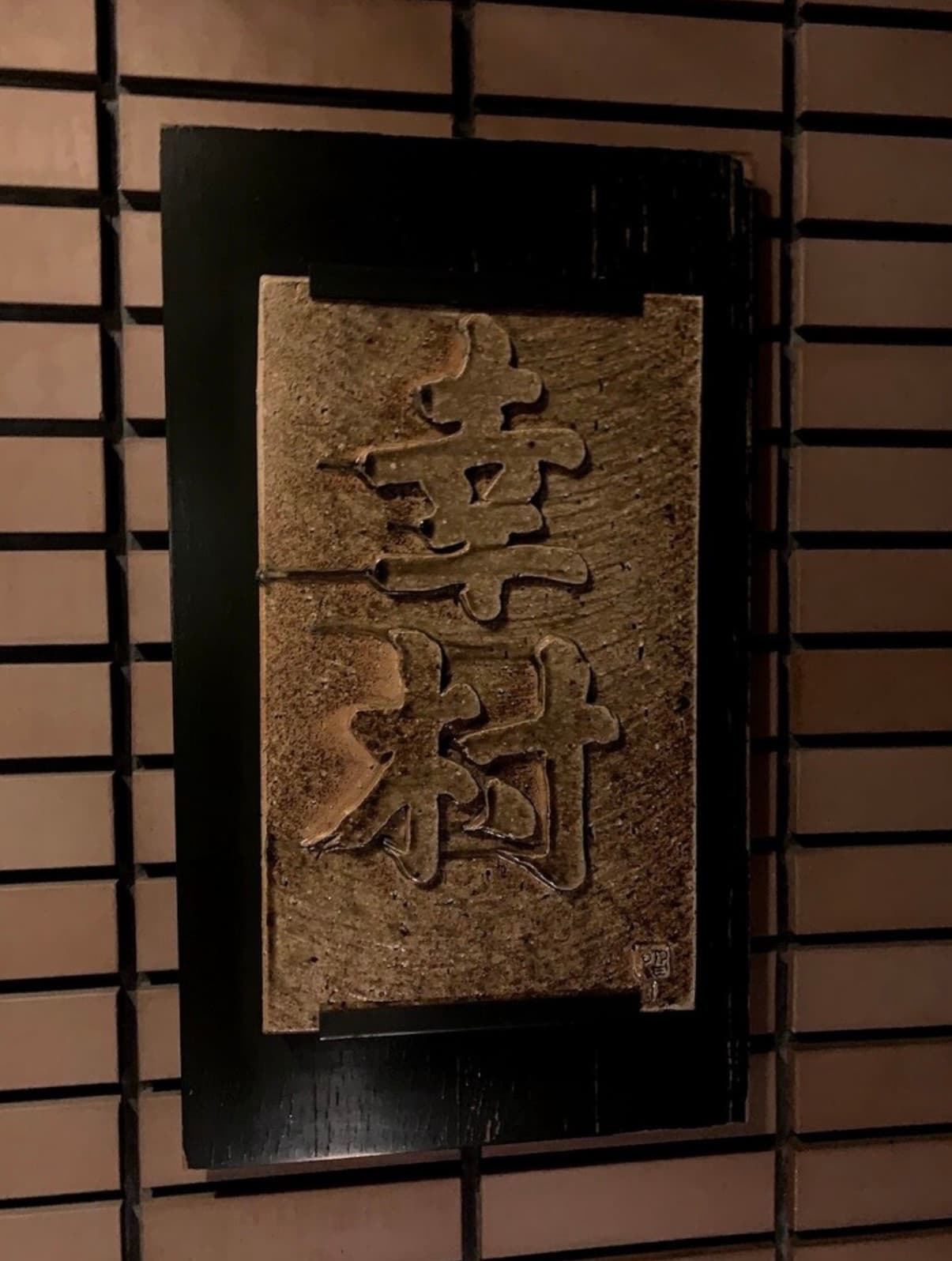
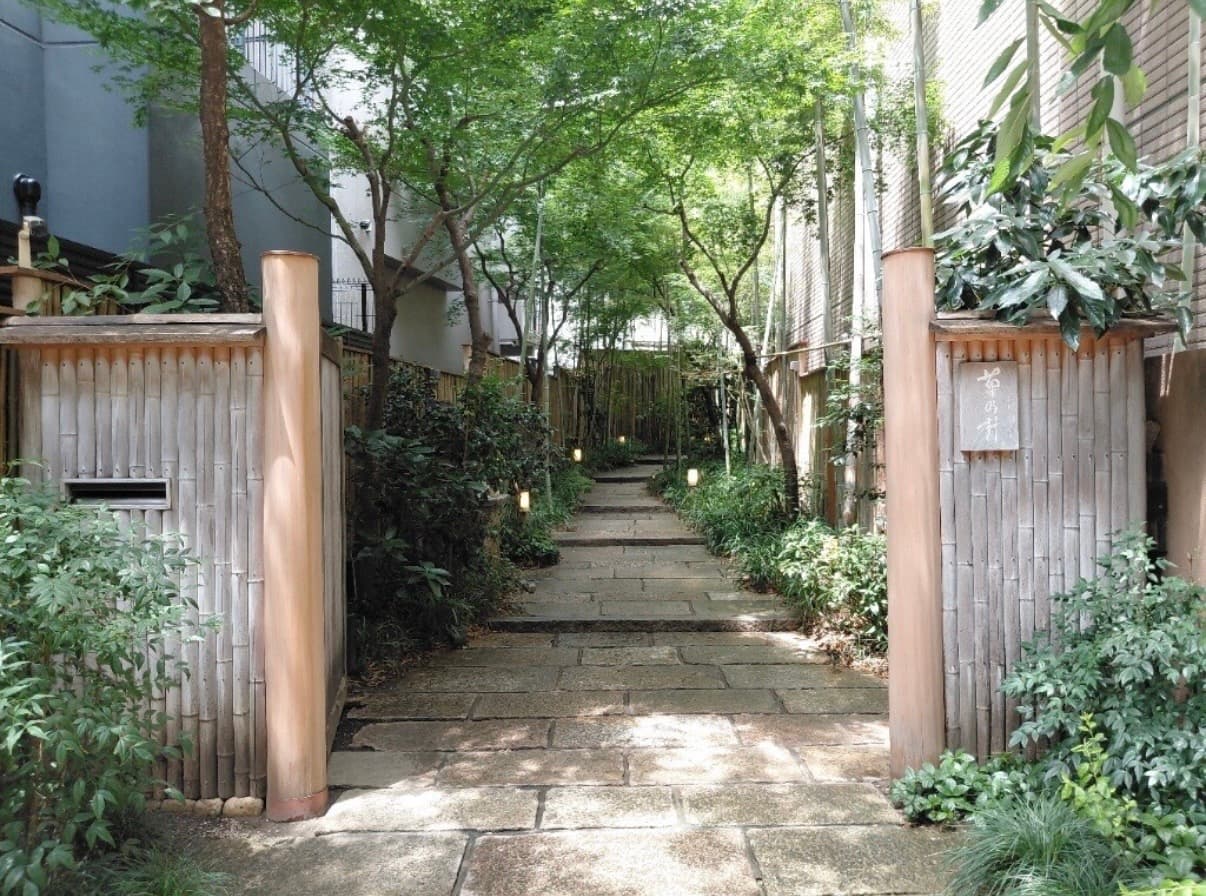
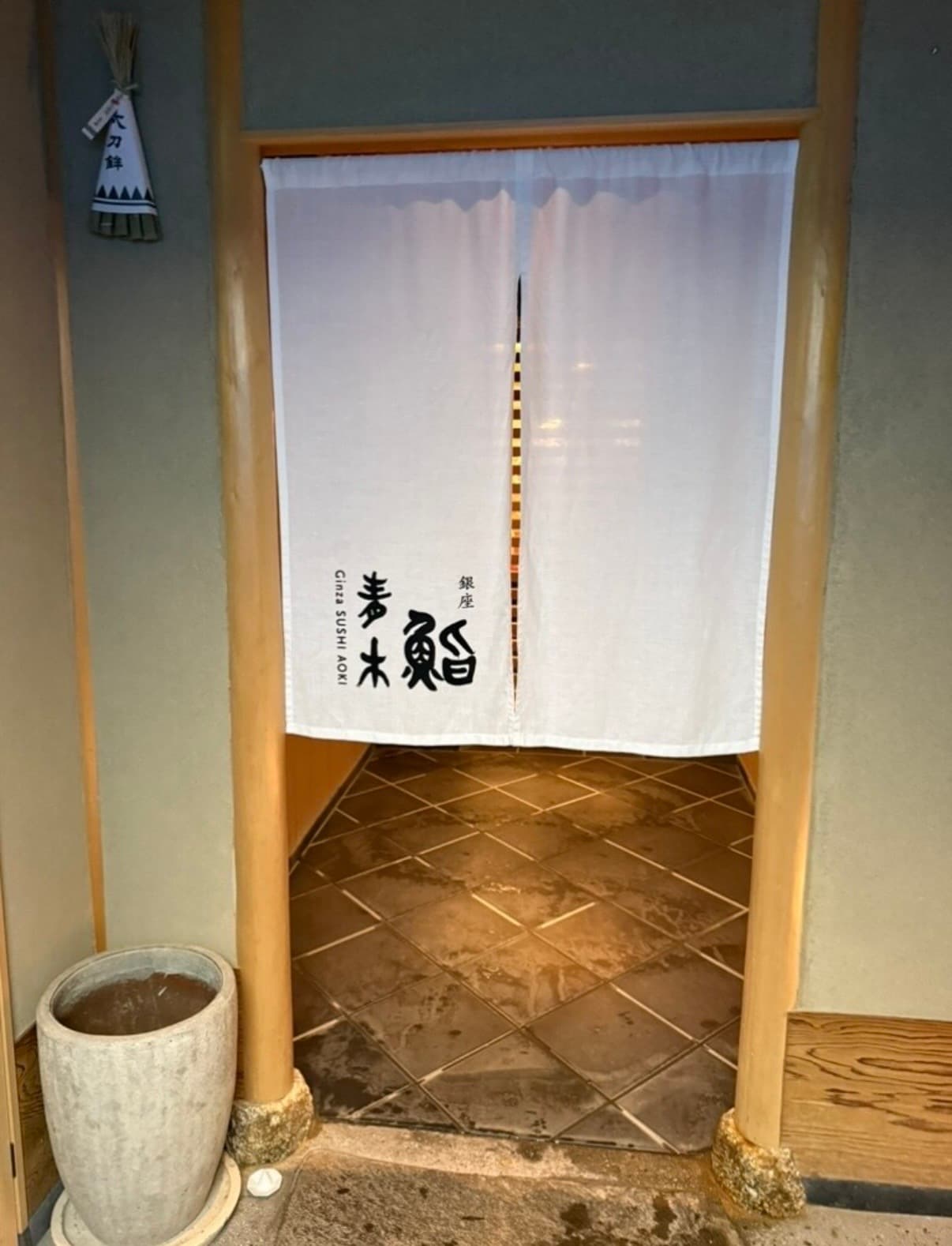
Amamoto in Higashi‑Azabu is, by steady consensus, one of the two or three most coveted sushi counters in Tokyo: a perennial spot at the very top of Tabelog’s national sushi ranking, and a tsumami‑then‑nigiri progression that many regulars consider the city’s most complete. Chef Masamichi Amamoto’s room seats eight, twice a night. That arithmetic — sixteen guests an evening in a city that wants thousands — is the whole story of its difficulty.
The exact system
- Reservations run only through the Japanese OMAKASE platform. There is no phone line, no email, no walk‑in.
- Releases are quarterly, at 12:00 JST on 1 January, 1 April, 1 July and 1 October. Each drop opens the quarter three to six months ahead in one go: 1 January covers April to June, 1 October the following January to March.
- One booking per quarter per account. Cancelling costs 50% the day before and 100% on the day.
- Two seatings, around 17:00 and 20:30, eight seats each; closed Wednesdays, Sundays and holidays.
- The drop sells out within minutes.
- No transfers. The booker must attend; handing a reservation to a friend is a rule violation the house takes seriously.
Because everything passes through a public platform, Amamoto is — strictly speaking — more open than the introduction‑only rooms like Kataori or Sushi Saito. In practice the quarterly drop is a national reflex test: seats are gone within minutes, and the platform’s own notification race decides who eats.
How OMAKASE works in practice
OMAKASE is a Japanese‑language reservation platform used by a particular tier of counters; we explain the mechanics in how the OMAKASE platform works. Amamoto’s official site and listing set out the schedule and the house rules and little else, so the practical details below are drawn from other houses on the same platform, and attributed to them.
- Register before you need it. Sushi Shunbi Nishikawa in Nagoya, another OMAKASE‑only counter, notes that registering the house on the platform also brings cancellation alerts by email — which is the mechanism that makes a months‑long watch possible at all. Set the alert on Amamoto’s listing the day you open your account.
- Expect a platform fee. OMAKASE charges a non‑refundable handling fee of ¥390 per seat when a booking completes (as of September 2026). Amamoto’s own cancellation terms also appear at checkout; read them once before the drop.
- The name on the booking is the name at the door. Sushi Sawada in Ginza, also OMAKASE‑only, has required photo ID matching the booking name since February 2025 and caps parties at two. Amamoto enforces its own no‑transfer rule; treat the two as the same principle and book in the diner’s real name.
- Cancellations reappear at random hours. Ogata‘s listing notes that OMAKASE cancellations resurface unpredictably, and the same is true here: freed seats appear at Japan hours, without ceremony, and are taken by whoever has the alert and the fast hand.
Your realistic odds
Honest numbers first: for a specific date, from abroad, the chance is close to zero. Sixteen seats a night, released a quarter at a time, into a platform where the drop clears in minutes — the arithmetic does not improve because you want it to. But Amamoto rewards persistence in a way the introduction houses never can:
- Play the quarterly drop — note the four dates (1 January, 1 April, 1 July, 1 October, 12:00 JST), be logged in with a card on file, and take any seat in your window rather than hunting one evening.
- Watch cancellations — with months between booking and dinner, plans change; released seats reappear on the platform at random hours, Japan time. A three‑month watch with alerts on has a real, if modest, hit rate. A single night of refreshing has none.
- Keep dates flexible — two seatings a night doubles your surface area.
The second route asks for checking the platform at Japan hours, and it is yours to keep — unglamorous vigilance, and it is how these seats are actually caught.
The neighbouring counters and their doors
Azabu, Hiroo and Roppongi hold an unusual density of serious rooms, and their doors could not be more different. Knowing which is which saves a wasted month.
| House | Genre | Door | What the dataset says |
|---|---|---|---|
| Amamoto | Sushi | OMAKASE only | Quarterly drops at 12:00 JST on 1 Jan, Apr, Jul and Oct, three to six months ahead, gone in minutes |
| Sushi Saito, Roppongi | Sushi | Introduction only | No public phone, online or hotel bookings; we cannot book it and prepare nothing beyond honest advice |
| Sushi Saito Azabudai | Sushi | OMAKASE, Tabelog | Saito’s directly run Azabudai Hills branch; OMAKASE opens the whole month two months ahead at 00:00 JST on the 1st; lunch ¥15,000, dinner ¥30,000 plus tax |
| Sushi Yuki, Hiroo | Sushi | OMAKASE only | Opens about a week at a time (as of September 2026, Mondays at 12:00 JST for the following week; one booking per month); seats a few days ahead are often open |
| Akasaka Kikunoi | Kaiseki | Phone 10:00–22:00 JST, or Ikyu | No fixed release; the house’s official overseas partners TABLEALL and My Concierge Japan open about two months ahead with a fee; the phone line is free |
| Crony, Higashi‑Azabu | French | TableCheck only, no phone | Daily at 00:00 JST, the same date two months ahead; the 120-hour cancellation line means freed tables reappear six to seven days out |
| Nodaiwa, Higashi‑Azabu | Unagi | Phone only | The house refuses agency and proxy bookings; we can request it in the name of the guest who attends; rooms need a week or more, two guests minimum |
| Azabu Yukimura | Kaiseki | Phone only, in Japanese; overseas guests need a Japanese‑speaking companion (we can provide one) | No release day; one to three months ahead in shoulder months, since regulars claim the four peak seasons |
| Florilège, Azabudai Hills | French | TableCheck | Every day at 00:00 JST, opening the same date one month ahead; four guests maximum |
Two of these deserve a plain statement. Sushi Saito in Roppongi is introduction‑only; no desk can book it, and any offer of a guaranteed seat there should be treated with suspicion. Nodaiwa refuses proxy bookings outright; we can request it in the name of the guest who attends, and if the house declines a booking arranged on a guest’s behalf, we will tell you and nothing is charged. The wider neighbourhood is covered in our Roppongi and Azabu food guide, and the city‑wide system in how to book restaurants in Tokyo.
What we can and cannot do
Amamoto is a public platform house, and the person who books must be the person who attends. Amamoto sits outside our collection; we can request it in the name of the guest who attends, and if the house declines a booking arranged on a guest’s behalf, we will tell you and nothing is charged. We do not enter the drop from your account or keep a cancellation watch on your behalf. Save it in the booking calendar with a free account and we will email you the day before, on the morning of the drop (08:00 JST) and about 30 minutes before when the opening time is known, in your own time zone.
What we will not do is promise a date. The house releases sixteen seats a night into a race measured in seconds, and nobody who is honest can guarantee the outcome of that race.
If the quarter doesn’t break your way
Tokyo’s top ten is a lottery; its top fifty is a feast. Our collection holds counters of genuinely comparable craft — in Tokyo and in regions where no platform reaches — that we can realistically open with a phone call in Japanese. Put your dates on the request form and we will show you what else deserves the evening — ¥6,000 per seat, charged only if we secure the table. No seat, no fee.