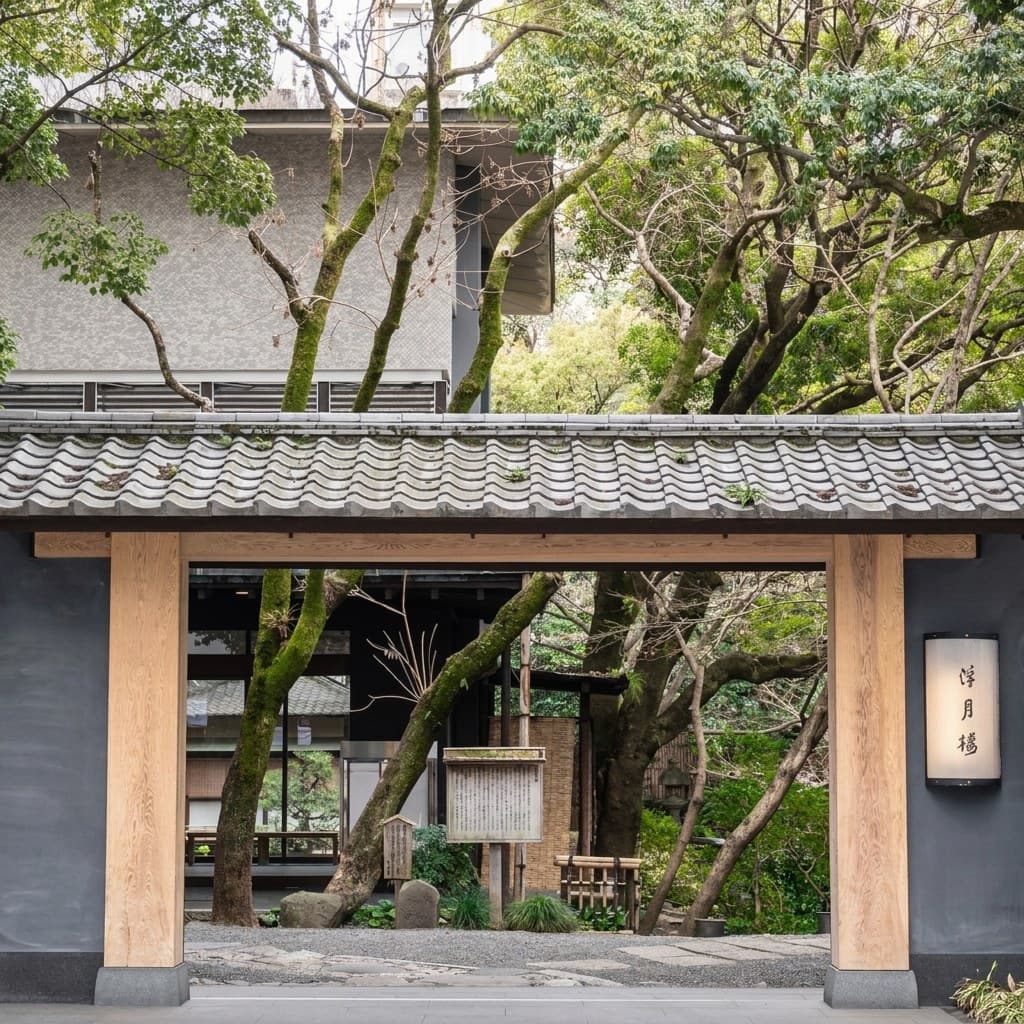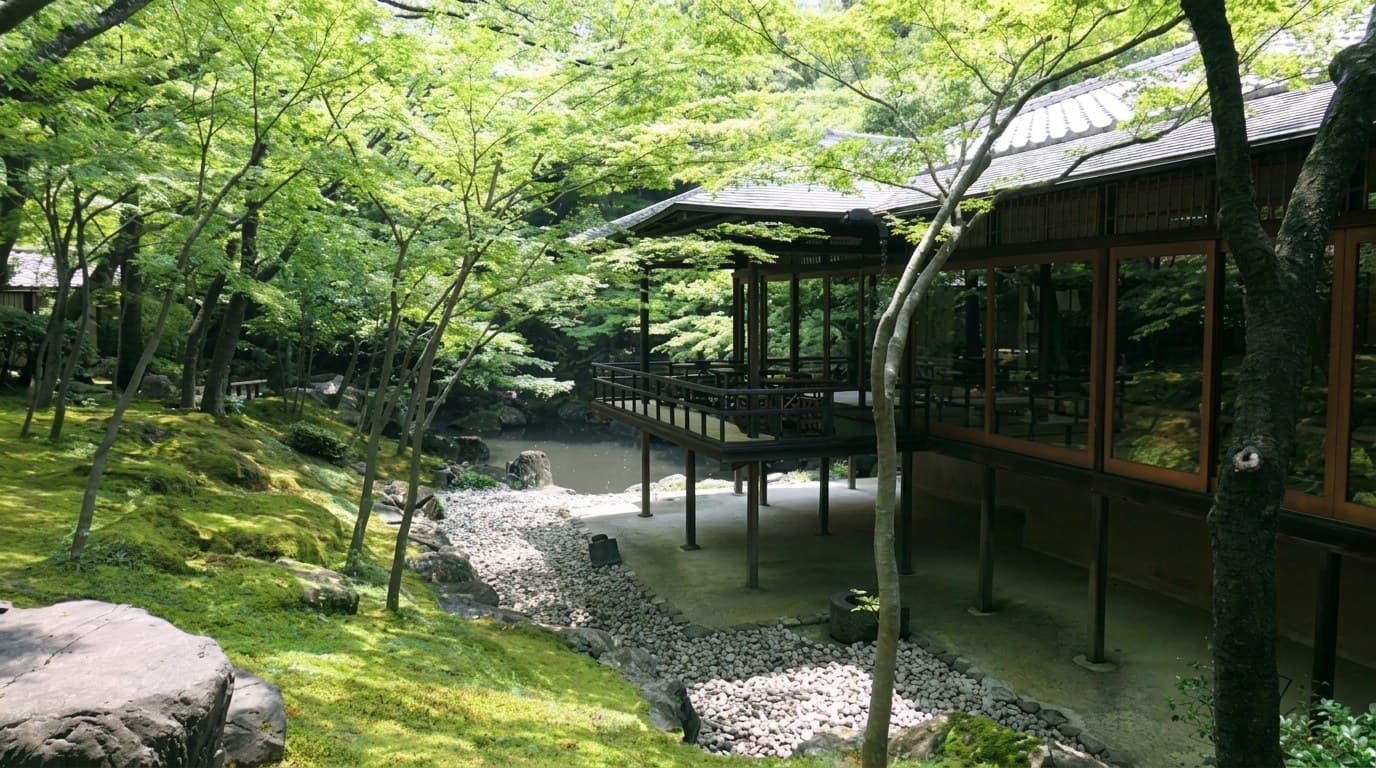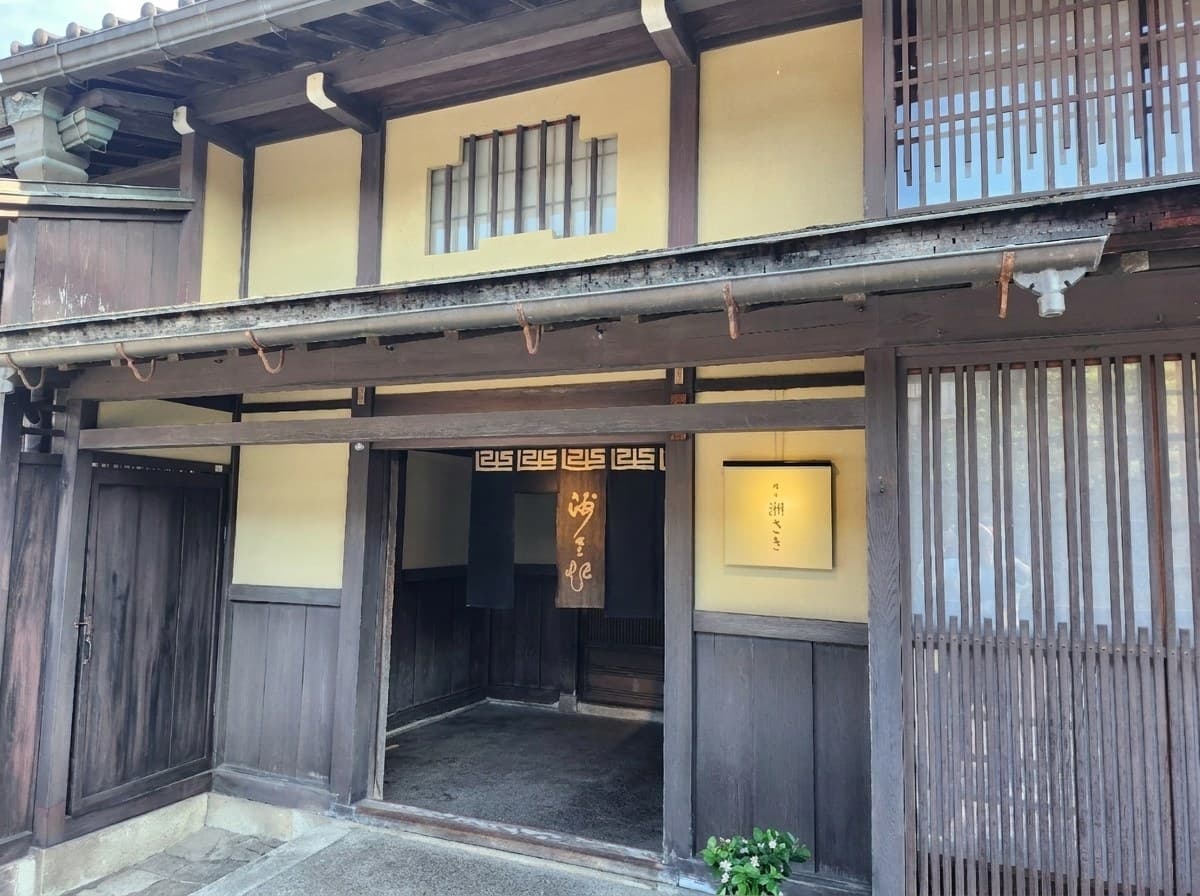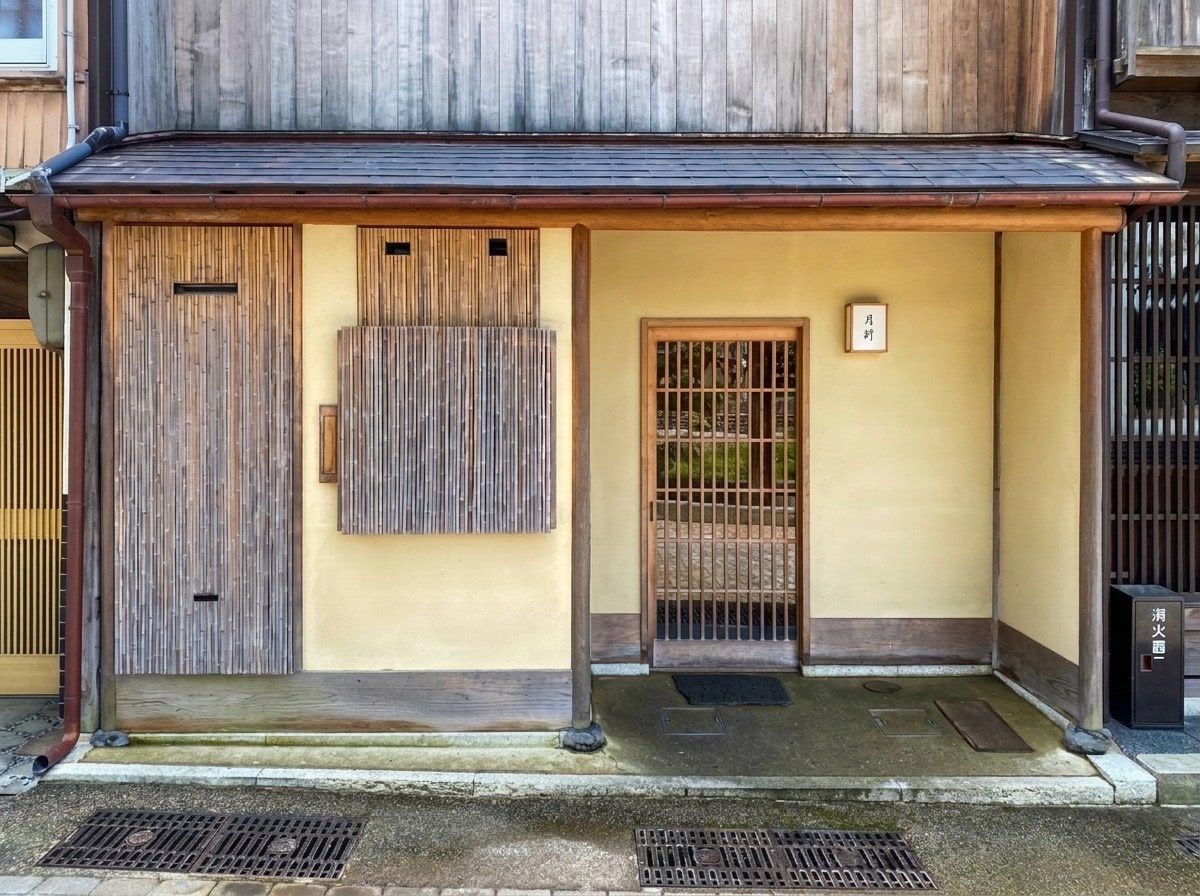
Some restaurants source well. Takuya Kataori commutes: 300 kilometers and more a day, to the dawn fish auctions of Himi where he was born and the matsutake (pine mushroom) bids of Suzu at the tip of the Noto peninsula, then back to a renovated townhouse by Kanazawa’s Asano River, where eight guests wait at a counter of local ate wood. Eleven years at the ryotei — a formal Japanese banquet restaurant — Tsuruko, the head chef’s post at Gyokusentei, then his own name on the door in 2018. And now: OAD’s No.1 restaurant in Japan in 2025 and No.2 in 2026, a sixth consecutive Tabelog Gold at the 2026 award, and a 4.68 Tabelog rating (2026) that almost nothing in the country touches.
What you eat
One omakase — the chef’s‑choice progression, about eleven courses — rebuilt daily around what the boats and mountains gave him. The heart is the dashi — katsuobushi (dried bonito) shaved in front of you, Rishiri kelp steeped forty hours in spring water he hauls himself — a broth admirers simply call “the life dashi.” Around it: morning‑caught Himi fish, Noto abalone, Suzu matsutake bid at that morning’s auction, and in early winter the crabs (kōbako and kanō) that make November Kanazawa’s cruelest booking season.
The booking reality
Eight seats, and most of them spoken for before any stranger sees them. Kataori’s calendar effectively belongs to its regulars; what remains surfaces on the reservation platforms OMAKASE and Pocket Concierge at unannounced moments and is gone in seconds. In practice, first‑timers get in one way: beside someone who already belongs — an introduction from a regular willing to bring you, or to lend a name. Treat any online offer of a “guaranteed Kataori booking” with suspicion; the house itself guarantees nothing to anyone. Our desk does not take requests for Kataori. If you try the platforms yourself, what helps: favouriting the restaurant on both OMAKASE (one booking per quarter) and Pocket Concierge for seat alerts, flexible dates, a party of two rather than four, and watching lunch as well as dinner — Monday‑to‑Saturday lunch service doubles the number of doors each week.
season plus ten percent service, and with sake most guests land between The crab months, November into winter, sit at the top of that range — and at the bottom of your odds.
The land around it
Kanazawa is the great intact Edo city: the teahouse streets of Higashi and Kazue‑machi are a five‑minute walk from the counter, Kenrokuen garden and the 21st Century Museum fill the day, and the crafts (gold leaf, Kutani porcelain that appears under your food) fill the shopping bag. Pair with a night at Kaga or Wakura onsen and you have the definitive two‑day Hokuriku itinerary.
Who makes the trip
Diners chasing the summit of Japanese cuisine itself. If Tokyo’s contested counters are the front row, this riverside room is the source — the room Japan’s own chefs talk about. And if the seat never comes: the ryotei Zeniya books weeks ahead through the major platforms, and Kanazawa Setsuri — opened by the second‑generation head chef of the now‑closed Tsuruko, where Kataori himself trained — carries the same Kaga lineage at a counter you can actually reserve. Neither is a consolation prize.