In shortShark fin — Cantonese technique, one port's whole story. Reservations run in Japanese and are hard to place from abroad, so our Tokyo desk requests the table for you, by phone and in Japanese.
Price
Omakase ¥30,000 · with dried abalone ¥45,000 (before tax and service; 10% tax and 10% service added)
Hours
Dinner 18:30, one simultaneous seating · breakfast 09:00 (weekdays) · lunch 12:00 (weekends and holidays)
Closed
Opens only on days with reservations — the calendar is posted on the house's Instagram
Seats
8 at one shared table
Private rooms
None — buyout for up to 20
Payment
Cards only — cash is not accepted · +10% service and +10% tax
Getting there
Minami-Kesennuma Stn, 7 min walk — shinkansen to Ichinoseki + a slow line to the sea; ~4 hrs from Tokyo. Stay in the hotel upstairs.
In June 2026 the Japan Times’ Destination Restaurants jury did
something it had never done: it named its restaurant of the year
unanimously. The winner was not in Kyoto or Tokyo. It was eight seats
around one table in Kesennuma, the port that lands more shark than
any in Japan, inside a hotel whose lobby wall still carries the red
line of the 2011 tsunami’s height.
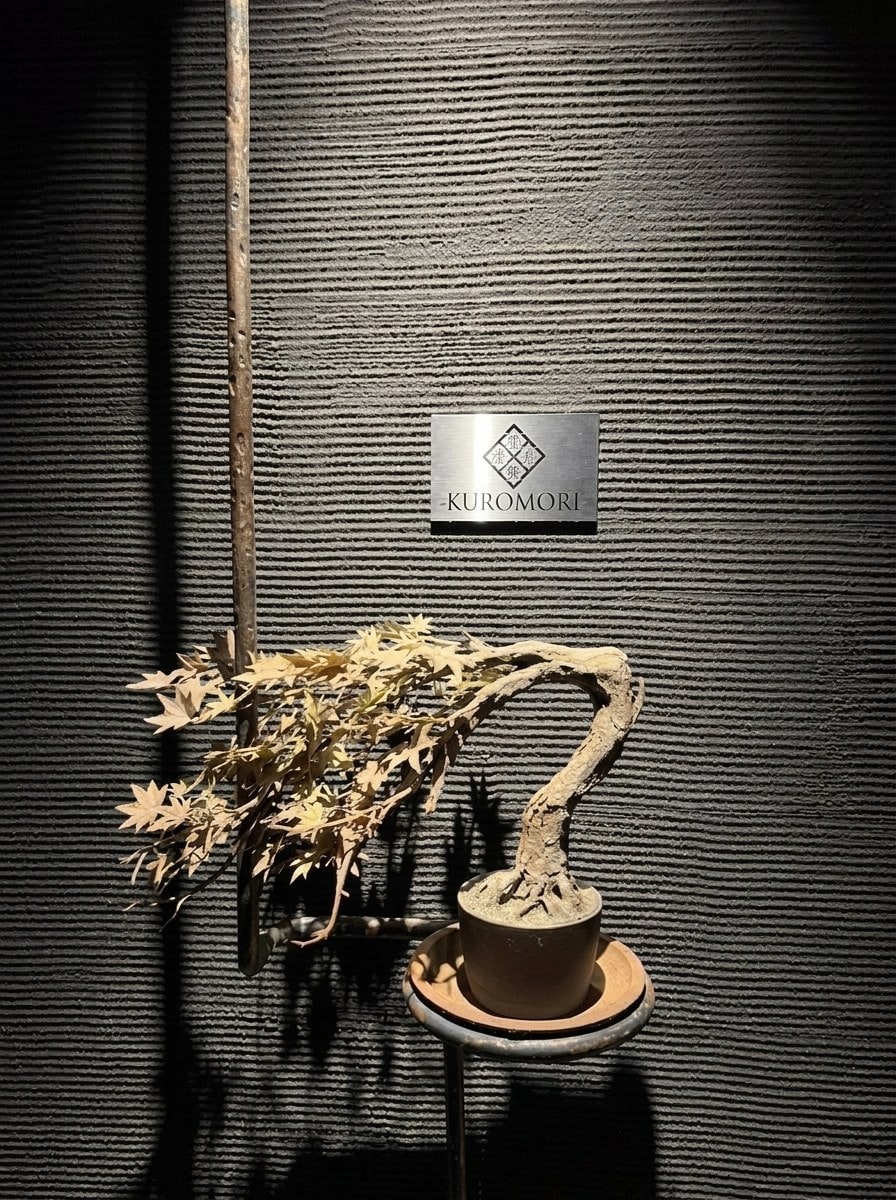
Yoji Kuromori was the first Japanese head chef in the lineage of Fook
Lam Moon, the Hong Kong Cantonese house. The 2011 earthquake pulled
him north; a decade of his Sendai restaurant made his name; in
September 2025 he moved to the port itself — because, as he says, 99%
of people think “shark fin” is one thing, and he has spent his life
proving it is many.
What you eat
An omakase — a no‑choice tasting menu, the kitchen deciding — that
moves through four shark species and nine distinct cuts of fin:
breast, back, tail, the prized filament bands, each soaked and cooked
to its own collagen, some in defiance of Cantonese convention. The
upper course adds Sanriku dried abalone of the grade Edo‑era Japan
once shipped to Canton. The house answers the question everyone asks,
in English, on its own site: Kesennuma lands its sharks whole — meat,
skin and fin — rather than finning at sea, and it names the species
it serves and how they are managed. Read the account and judge it
yourself.
The booking reality
Online only: the OMAKASE reservation platform, which carries an English
page and opens a new month on the 1st at 12:00 JST (in September 2026
the book ran to the end of December, about three months ahead), and
Tabelog’s online booking in Japanese. No phone bookings, cards only,
cash not accepted. Eight seats at one table, dinner at 18:30 in a
single seating, with breakfast (09:00) and lunch (12:00) seatings on
some days; the house opens only on days with reservations, and its
operating calendar is posted on Instagram, so the working problem is
matching your one night in Sanriku to a night the room actually opens.
This is where a desk that reads the Japanese calendar and watches the
release earns its keep: we try to line up the train, the hotel upstairs
and the seat before the eight are gone.
Want the frontier — a dinner that explains a town, paired with the
dawn fish market (Japan’s top port for fresh bonito for nearly three decades running) and
the tsunami‑memorial school — and believe the best reason to go
somewhere is that no one you know has been.
Free release-date alerts: the day before, on the morning of release day (08:00 JST) and about 30 minutes before when the time is known — or a weekly summary if the house opens a little every day.
Kesennuma KUROMORI: common questions
Can you book Kesennuma KUROMORI from abroad?
Yes, through our Tokyo desk. Online only — OMAKASE (English page; a new month opens on the 1st at 12:00 JST, about three months ahead) or Tabelog. Eight seats at a shared table. No phone bookings, cards only. We call the restaurant for you, in Japanese, and the ¥6,000-per-seat fee is charged only if we confirm your table — no seat, no fee.
Some of these links are referral links: if you book through them we may earn a small commission, at no extra cost to you. Restaurants never pay us to be listed or ranked. Editorial policy
Cite this page
Facts on this page were checked by our Tokyo desk. You are welcome to quote them with a link: