By SHOKU NOREN Team · Facts last verified August 2026 · How we check
In shortYoshoku ('Western food') is the cuisine Japan created when the Meiji era opened the country in 1868 and cooks reinvented European dishes with Japanese logic — eaten with rice, seasoned for local palates, perfected over a century. Its canon is beloved comfort food: omurice, hayashi rice, korokke croquettes, Napolitan spaghetti, hamburg steak and curry rice — and tonkatsu, its most successful graduate. It is neither Western food done badly nor Japanese food dressed up, but a third cuisine, best eaten in old shokudo dining rooms and department-store restaurants.
Between washoku and Western food lies a third cuisine most visitors can't name but instantly love: yoshoku — the food Japan invented when it met Europe and decided to redo the whole thing properly, with rice.
Born of the Meiji opening
When Japan opened after 1868, the Meiji government promoted Western eating — meat above all, long discouraged under Buddhist influence — as national modernization policy. The emperor ate beef publicly; the nation followed. But Europe's cooking was rebuilt on arrival: portions pre-cut for chopsticks, sauces sweetened toward soy-and-mirin sensibilities, everything anchored to rice and miso soup. Within a generation, the adaptations were no longer adaptations. They were a cuisine.
The canon
Omurice — ketchup fried rice inside a tender omelet; the dish that best explains the whole genre.
Hayashi rice — beef and onion in demiglace over rice; the quiet masterpiece of the canon.
Korokke — the French croquette turned potato-based, breaded in panko, sold at butcher shops nationwide.
Napolitan — spaghetti in ketchup with sausage and peppers, invented in Yokohama and utterly unknown in Naples; the soul dish of the kissaten coffee house.
Hamburg steak — the pre-bun hamburger perfected as a plated dinner.
Curry rice — arrived via the British navy, adopted so completely it is now Japan's de facto national dish.
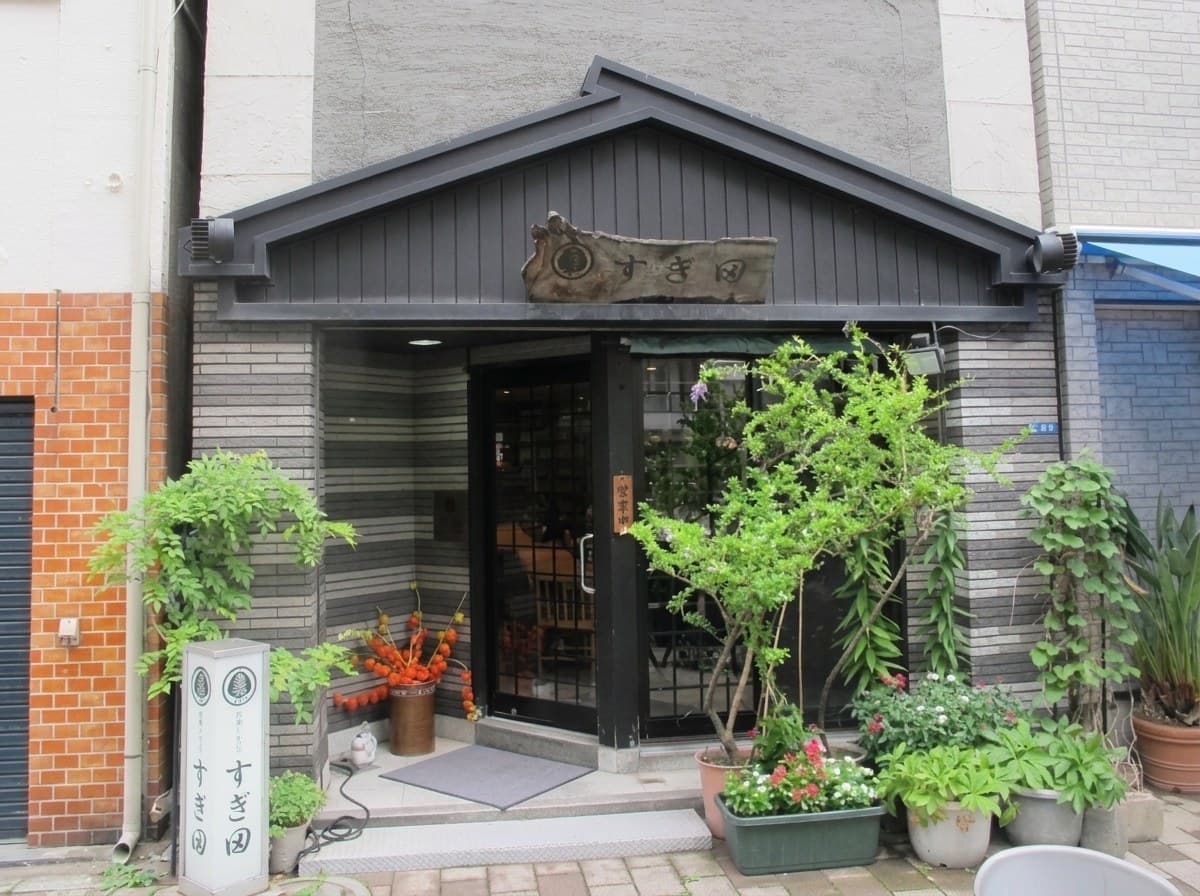
And the great graduate: tonkatsu, born yoshoku, now its own specialist universe — houses like Sugita in Kuramae show how far the cutlet has traveled; the wider story of Japan's beef embrace runs through our wagyu guides.
How to read yoshoku
The key is that yoshoku is not fusion and not imitation — it is Japanese cuisine wearing Western clothes. The knife work, the rice logic, the single-dish-specialist pattern of Japanese dining all apply; only the palette changed. That is why the dishes feel simultaneously foreign and profoundly Japanese — and why they conquered the country's home kitchens within a generation.
Where to eat it
Yoshoku lives in three habitats: the old yoshoku-ya and shokudo dining rooms of districts like Asakusa and Ginza — some past their centenary; the department-store restaurant floors, where the canon survives in gleaming mid-century form above the depachika; and the kissaten, coffee-house keeper of Napolitan and morning culture. Most classics cost ¥1,000–2,500 — the cheapest great cuisine in Japan, and the one that tells the story of its modern century best. Slot one yoshoku lunch into any Tokyo itinerary; it earns its place beside the counters.
Frequently asked
What does yoshoku mean?
Literally 'Western food', as opposed to washoku, Japanese food — but in practice yoshoku means the specifically Japanese cuisine that grew from Meiji-era adaptations of European cooking: dishes invented or transformed in Japan, eaten with rice and often with chopsticks, that exist nowhere in the West in their Japanese form. Omurice and Napolitan spaghetti are yoshoku; a French restaurant in Tokyo is not.
What are the classic yoshoku dishes?
The canon: omurice — ketchup fried rice wrapped in omelet; hayashi rice — beef in demiglace over rice; korokke — potato croquettes descended from the French croquette; hamburg steak; Napolitan — spaghetti in ketchup with sausage, invented in Yokohama; ebi-fry breaded prawns; and curry rice, the adopted national dish that arrived via the British navy. Tonkatsu began as yoshoku before earning its own specialist world.
Why did Japan create yoshoku?
When the Meiji government opened Japan after 1868, it promoted Western eating — meat above all, long discouraged under Buddhist influence — as modernization policy. But European cooking was rebuilt to fit Japanese meals: served with rice and miso soup, sauces sweetened and softened, knives replaced by pre-cut portions and chopsticks. Within a generation the adaptations had become a cuisine of their own.
Where should you eat yoshoku in Japan?
In its natural habitats: old shokudo and yoshoku-ya dining rooms — some over a century old, in districts like Asakusa and Ginza; department-store restaurant floors, where the classic plates survive in mid-century form; and kissaten coffee houses, keepers of Napolitan and omurice. It is everyday food — most classics cost ¥1,000–2,500 — and the old rooms are the point as much as the plates.
Want us to handle it? Our Tokyo team books phone-only restaurants daily — Japanese phone lines, house relationships, and the release-day races no app will run for you. No seat, no fee. Request a table
The seasonal wire
One short email when a season opens — crab in November, fugu in winter, the tables worth flying for. No noise; unsubscribe anytime.