Ryokan Dining: How Kaiseki at a Japanese Inn Works
By SHOKU NOREN TeamFacts last verified August 2026How we check
In shortAt a serious ryokan, the meals are not an amenity — they are the reason to stay. The standard plan includes dinner and breakfast (ippaku-nishoku): a seasonal kaiseki procession at night, often served in your room or a private dining room, and an elaborate traditional breakfast. Dinner starts early (typically 18:00–19:00), the menu is fixed and seasonal, and dietary needs must be declared at booking. Choose the inn by its kitchen — the best food-ryokan, from crab houses on the winter coast to mountain auberges, rank among Japan's great restaurants that happen to have rooms.
The most common mistake travelers make with ryokan is treating dinner as the amenity and the room as the point. At a serious inn it is precisely backwards: the kitchen is the destination, and the room is where you sleep it off.
The shape of the stay
The classical plan is ippaku‑nishoku — one night, two meals — and both are events:
Dinner: a seasonal kaiseki procession — appetizers, sashimi, simmered and grilled courses, the house specialty or hotpot, rice, dessert — served in your room or a private dining room at many houses, course by course, by staff who will also lay your futon while you eat.
Breakfast: the traditional morning feast at full scale — grilled fish, tamagoyaki, the region’s pickles and rice — routinely the best breakfast of a trip.
The room rate includes both, which is why ryokan pricing confuses hotel logic: you are buying dinner for two at a serious restaurant, with a room attached.
The rules that matter
Dinner is early and fixed. Typically 18:00–19:00, agreed at check‑in. The kitchen fires courses for the whole house in sequence; arriving late is the one genuine ryokan sin. Plan the day’s sightseeing backward from it.
The menu is decided for you. Seasonal, fixed, the kitchen’s pride — omakase at the scale of an entire evening. Yukata and relaxation are the dress code.
Dietary needs belong at booking. The menu is composed days ahead; declared early, allergies are handled with grace — the mechanics are in our dietary guide. Declared at the table, they often cannot be.
Choosing an inn by its kitchen
“Food‑ryokan” are a category of their own — destination restaurants with rooms — and they anchor some of Japan’s best eating regions:
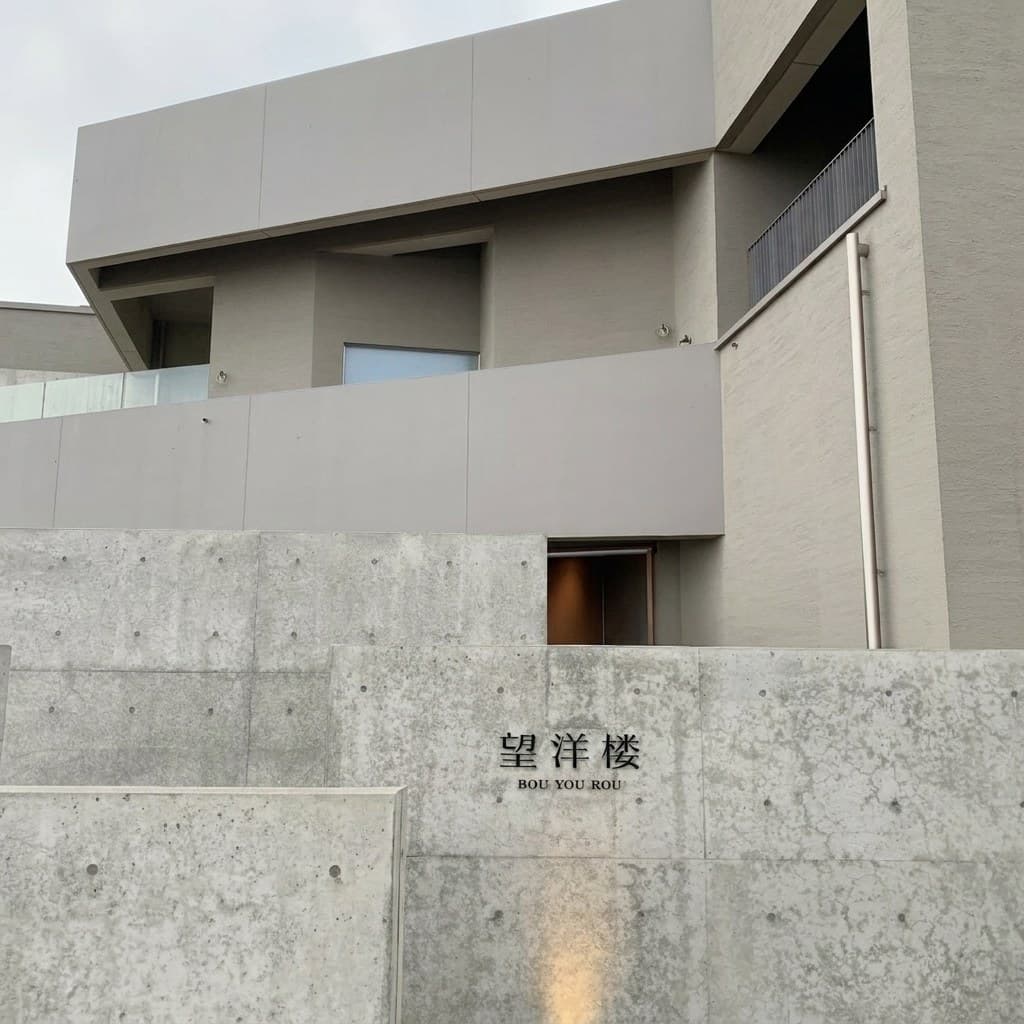
The crab coast: in crab season, the ryokan of the Sea of Japan serve the definitive versions — Bouyourou over Mikuni port is the archetype, echizen crab hours from the boat and a futon upstairs.
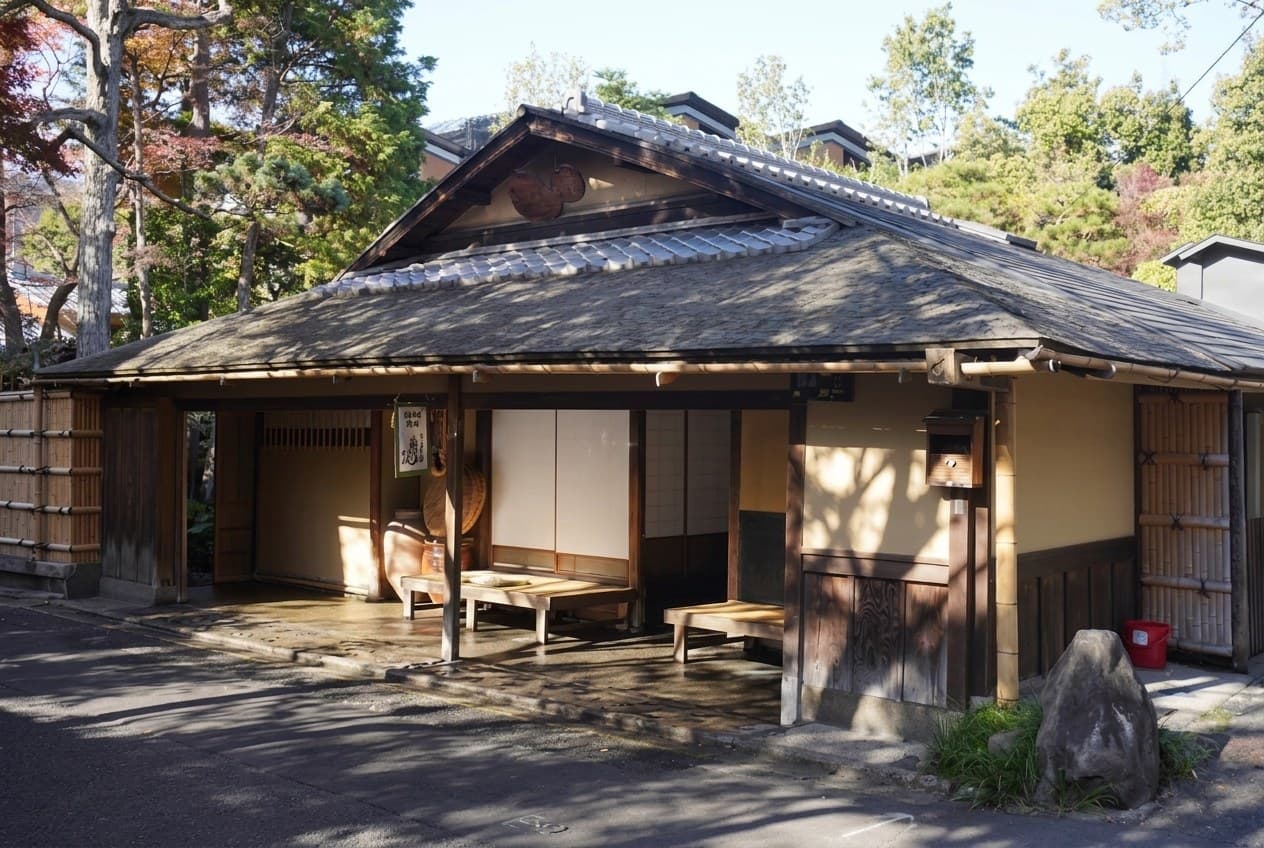
Mountain auberges: river fish, sansai and game — the tradition behind houses like Tonoya Yo in Tono, where fermentation‑driven cooking meets farmhouse lodging.
Onsen kitchens: hot‑spring towns across Tohoku and Hokuriku where the bath softens you for the meal.
The selection rule: read the dinner before the room photos. A stunning lobby with a banquet‑hall kitchen loses, every time, to tatami rooms above a great kitchen.
Where it fits the trip
One food‑ryokan night is the natural centerpiece of any regional swing — the walk from last course to futon is a luxury no city restaurant can offer. Our journeys are built around exactly these houses; note that as a concierge we arrange the tables and point you to the right inns — the boundary Japanese travel law draws for non‑agents — which is usually all the help the booking needs.
Frequently asked
What is included in a ryokan stay?
The classic plan is ippaku-nishoku — one night with two meals: a multi-course kaiseki dinner and a full traditional breakfast, both included in the room rate. This is why ryokan prices look high against hotels: you are booking dinner for two at a serious restaurant plus the room. Meals are seasonal and fixed-menu; the kitchen decides, you receive.
How does dinner at a ryokan work?
Dinner is served early — typically from 18:00 to 19:00, agreed at check-in — either in your room, in a private dining room, or in a dining hall, course by course: appetizers, sashimi, a simmered dish, a grilled dish, a hotpot or the house specialty, rice and soup, dessert. Dress is relaxed — the yukata provided is entirely appropriate. Arriving late for dinner is the one serious ryokan sin; plan the day around it.
Can ryokan handle dietary restrictions?
With advance notice, usually yes — at booking time, not on arrival. The kitchen composes the menu days ahead around what the season and the market give; allergies and no-go ingredients declared early are handled gracefully, while same-day requests often cannot be. Strict vegetarian or vegan menus are possible at some houses and impossible at others — this must be confirmed before booking, not negotiated at the table.
Are ryokan meals worth it compared to restaurants?
At the top food-ryokan, the dinner alone justifies the stay: crab ryokan on the Sea of Japan in winter, mountain inns serving river fish and sansai, onsen houses with legendary kitchens — these are destination restaurants that happen to have rooms, and the freedom to walk from the last course to your futon is a luxury no city restaurant offers. At ordinary tourist ryokan, quality varies; choose the inn by its kitchen, not its lobby.