Japan’s northern capital is a food city built on three of its own inventions — and a larder the rest of the country envies. Sapporo is where miso ramen was born, where lamb became a Japanese cuisine, and where soup curry simmered into existence; around those icons sit the crab tanks, uni bowls and a French fine‑dining tradition that surprises first‑time visitors. Here is how to eat it properly.
Miso ramen, at the source
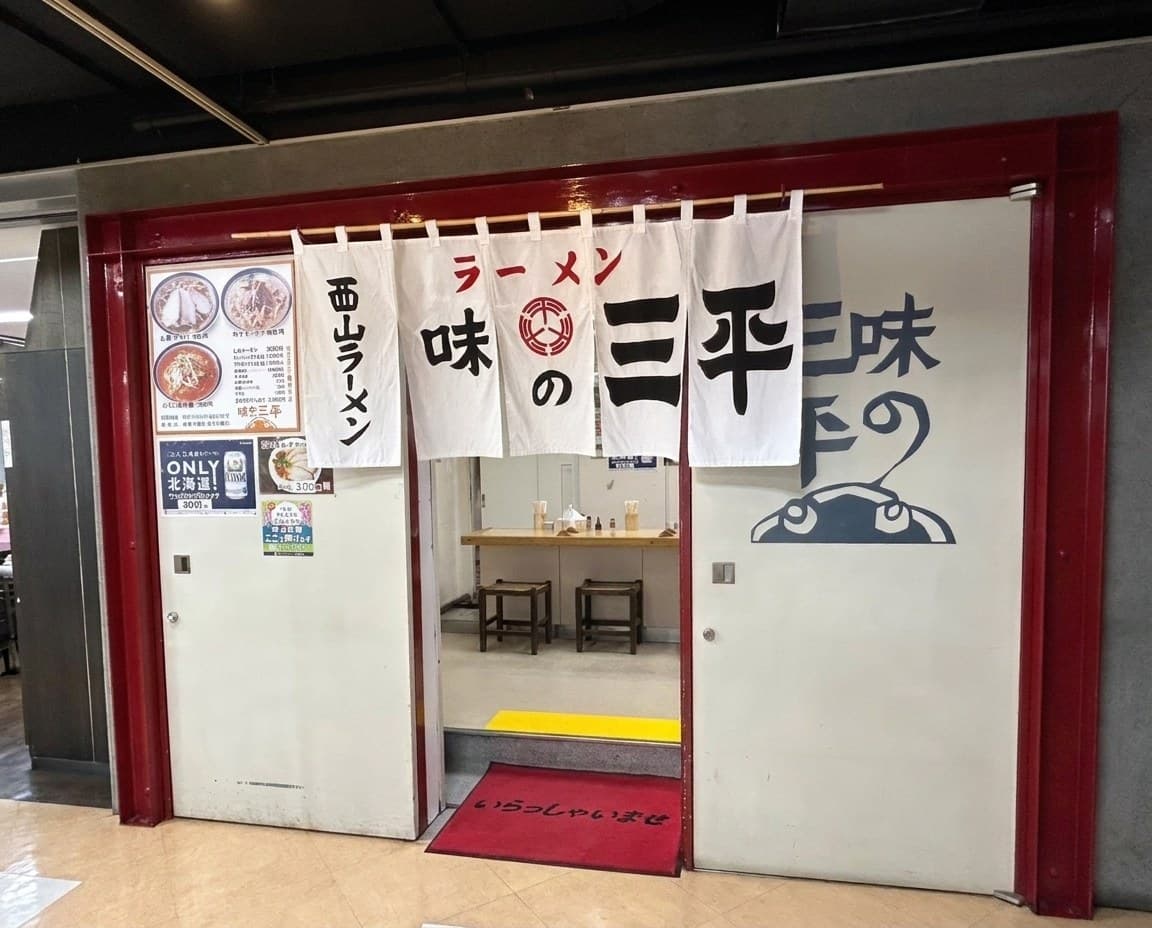
Sapporo’s defining bowl was invented in the 1950s at Aji no Sanpei, where founder Morito Omiya folded the city’s love of hearty miso soup into ramen — wavy yellow noodles, wok‑fired vegetables, a broth charged with miso and lard against the northern cold. The style became one of ramen’s three canonical schools, and the shop still serves the descendant of the original bowl. Eat it there first; judge every other miso ramen afterward. (The butter‑corn variation is for the second bowl.)
Jingisukan: lamb as religion
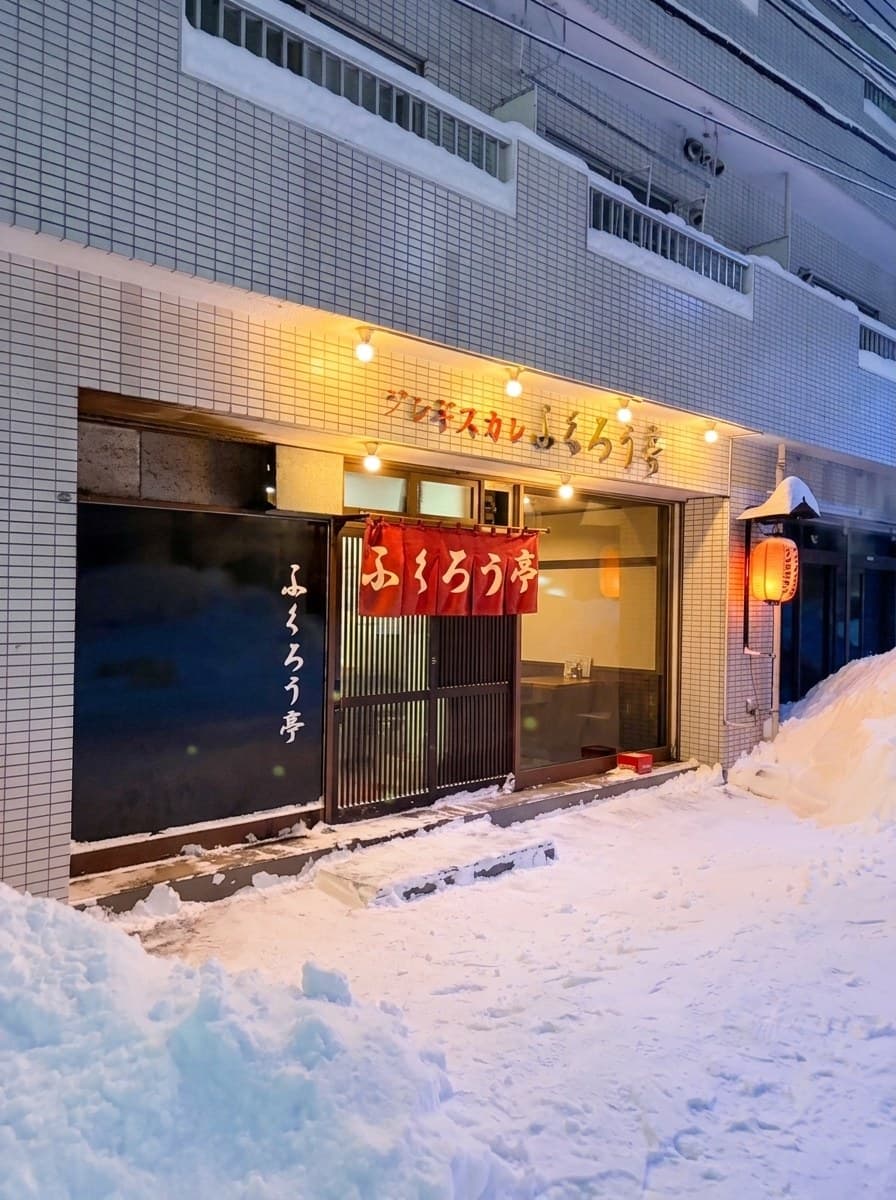
Jingisukan — lamb grilled at the table on a domed iron pan said to resemble a Mongolian helmet, hence the Genghis Khan name — is Sapporo’s communal feast: smoky rooms, beer, the fat basting the vegetables ringing the dome. The rule of the initiated is fresh lamb, never frozen, at a dedicated house — Fukurou‑tei is the specialist’s address. Come hungry and wear washable clothes; both are part of the format.
Soup curry and the third invention
Soup curry — a spice‑forward broth with bone‑in chicken and full‑cut vegetables — is Sapporo’s youngest icon, born in the city’s cafés and now a full genre with pilgrimage shops and heat‑level menus. It is the local answer to a snowbound January, and the dish young Sapporo actually eats weekly.
The northern larder
Sapporo is Hokkaido’s shop window: crab (kegani above all — see our crab season guide), uni and ikura over rice at the morning markets, corn, potatoes and dairy that shape everything from ramen toppings to dessert. The market counters at Nijo and the Curb Market do the classic kaisendon morning; the city’s izakaya do the same larder after dark. For the island beyond the city — and the booking realities of its famous counters — see how to book restaurants in Hokkaido and our profile of Sushizen’s Edomae‑north style.
The quiet fine‑dining bench
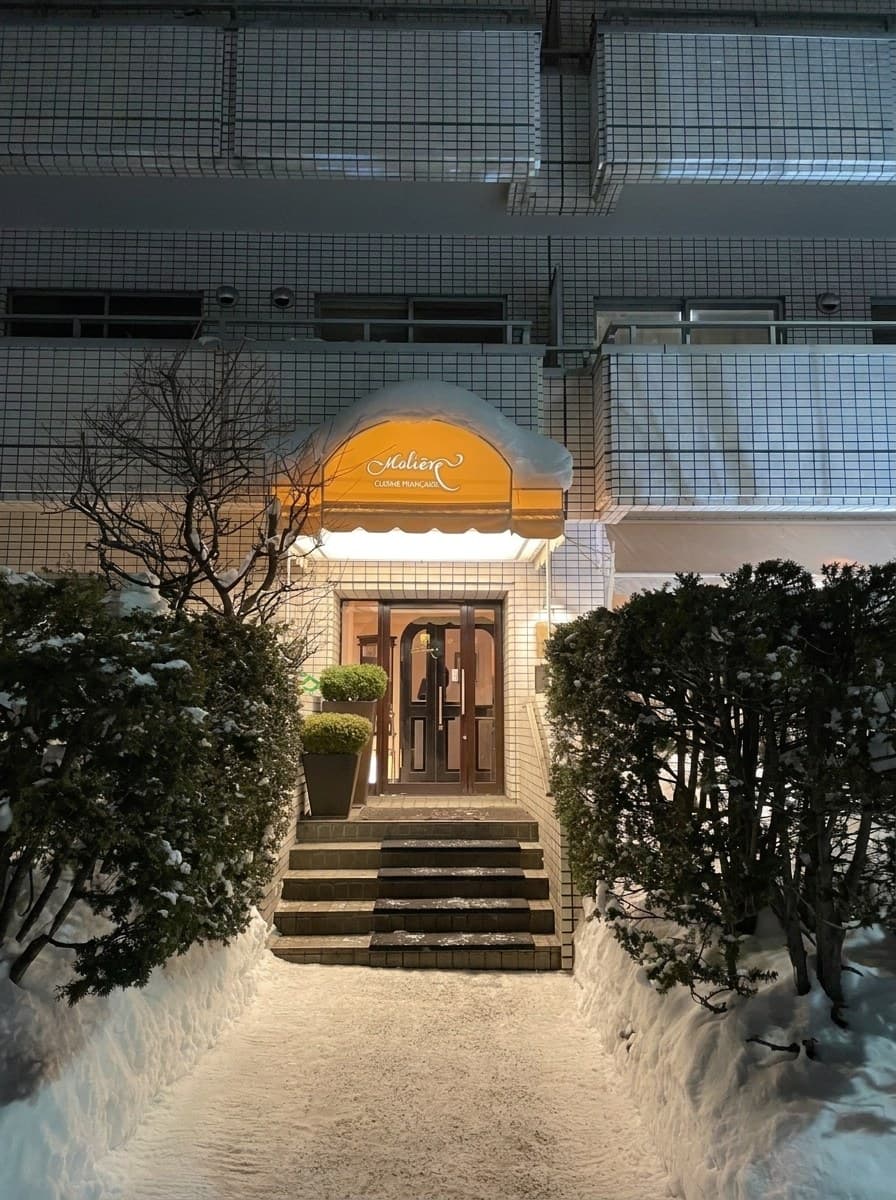
The surprise of Sapporo is its top end. Restaurant Moliere — long Hokkaido’s most decorated French table — leads a fine‑dining scene that cooks the northern larder with Tokyo‑level precision at gentler prices, and the city’s destination sushi counters run on fish that reaches them hours ahead of the capital.
Sushi five minutes from the station
The most useful of those sushi counters for a visitor is Sushi Tanabe, on the ninth floor of the Rokkatei building, five minutes on foot from Sapporo Station. It held three stars in the Michelin Guide Hokkaido 2012; later editions did not list it, and Tabelog placed it among its top 100 sushi houses in eastern Japan in 2021. Masashi Watanabe — raised in Eniwa, apprenticed at fifteen, the founding sushi chef of the Windsor Hotel Toya in 2002 — calls his style “Ezomae”: Edomae curing, marinating and aging applied to fish from every coast of Hokkaido, with some pieces left alone because freshness is the point.
Two counters of eleven and thirteen and a private table room make 36 seats, and the booking is the gentlest of any serious counter in the city. Dinner only, last entry 20:30, closed Sundays. It is the obvious first‑night table.
A day out: Ajidocoro in the Kuriyama fields
Hokkaido’s most decorated country kitchen is an hour east of Sapporo by JR or the Kosoku Kuriyama express bus, then five minutes by taxi from Kuriyama Station. Ajidocoro is a farmhouse of private rooms — two sunken‑kotatsu rooms and one table room, about ten guests a service — with two stars in the Michelin Guide Hokkaido 2017 and a Tabelog Award every year since 2019. One seasonal course, the same at lunch and dinner, costs ¥9,900 or ¥13,200 with tax, plus 10% service: a price its medals would not suggest.
It is also the hardest booking in this guide, for two reasons. The telephone, in Japanese, is the only way in, and it opens the whole following month at once, on the first business day of each month from 09:00; two guests is the minimum, preschool children are not admitted, and the house rests on Tuesdays and the second Wednesday. And the house states on its own menu page that guests who cannot understand Japanese are refused unless an interpreter sits with them. Plan it only if someone at your table speaks Japanese — then it turns a spare day into lunch in the fields and an evening back in Sapporo. Our guide to phone‑only restaurants beyond Tokyo explains how lines like this one work.
Building the days
The efficient shape: market morning, miso ramen lunch at the source, afternoon in the parks or out to Otaru, then either a jingisukan night or the tasting‑menu evening at Moliere — repeat with the variations swapped. Put Tanabe on the first night, when you want sushi without a lottery; if someone in your party speaks Japanese, give one day to Ajidocoro’s lunch in Kuriyama. Sapporo rewards two full days; in crab season it rewards three. For the version with every counter held in advance, that is what we do.