Hokkaido is one of Japan’s great eating regions — sea urchin, crab, and superb Edomae sushi built on the island’s cold, clean waters. But its best counters book the traditional way: by phone, in Japanese, and sometimes by introduction. Season matters enormously here, so timing your booking is half the battle.
Sapporo’s counters run on the phone
Sapporo’s serious Edomae sushi counters — Edomae meaning the Tokyo‑style sushi tradition — mostly take reservations by telephone, in Japanese, and many have no online form at all (Sushizen, which takes requests through its own web form, is one exception). Some prefer guests who arrive through an introduction rather than cold. If you speak Japanese, call during business hours with your dates and party size ready. If you do not, use a concierge rather than risk a booking lost in translation.
The tradition here is younger than Tokyo’s but real: Edomae technique came north in 1971, when Otaru‑born Tsutomu Shimamiya opened Sushizen in Sapporo and married Edo craft to the island’s fish — a school whose story we tell in how Edomae sushi reached Hokkaido. The consolation of the northern market is price: a top Sapporo omakase generally runs roughly ¥15,000–30,000, with the most famous counters higher — a tier below Tokyo’s elite counters for fish that reaches the cutting board hours fresher (as of August 2026).
Book around the season
Hokkaido’s calendar drives demand more than almost anywhere in Japan:
- Sea urchin (uni): the fabled kelp‑fed uni of Rishiri and Rebun islands runs on a tight clock — the murasaki‑uni season opens around June 1 and the richer bafun‑uni around mid‑June, running only into August, with early‑to‑mid July widely held as the peak. Boats go out for as little as two hours a day, weather permitting, which is why the best bowls sell out by mid‑morning.
- Crab: a highlight through the colder months — though kegani, the horsehair crab that is Hokkaido’s own, is landed somewhere on the island nearly year‑round. Our crab season guide sorts the species and windows.
During these windows the best counters concentrate demand, and prime evenings vanish early. If your trip lands in peak season, book earlier, stay flexible on dates and times, and accept that the most sought‑after seats may already be spoken for.
Use a hotel or Japanese‑speaking concierge
For overseas visitors, the reliable routes into Hokkaido’s phone‑only and introduction‑based tables are the same intermediaries that work across Japan:
- A luxury hotel concierge in Sapporo, who can call in Japanese and confirm the details.
- A Japanese‑speaking concierge service that handles the call and the fine print for you.
Either can secure the seat, confirm the price, and relay allergies. Give them your dates several weeks ahead — earlier in peak season.
Beyond sushi: Hokkaido’s range
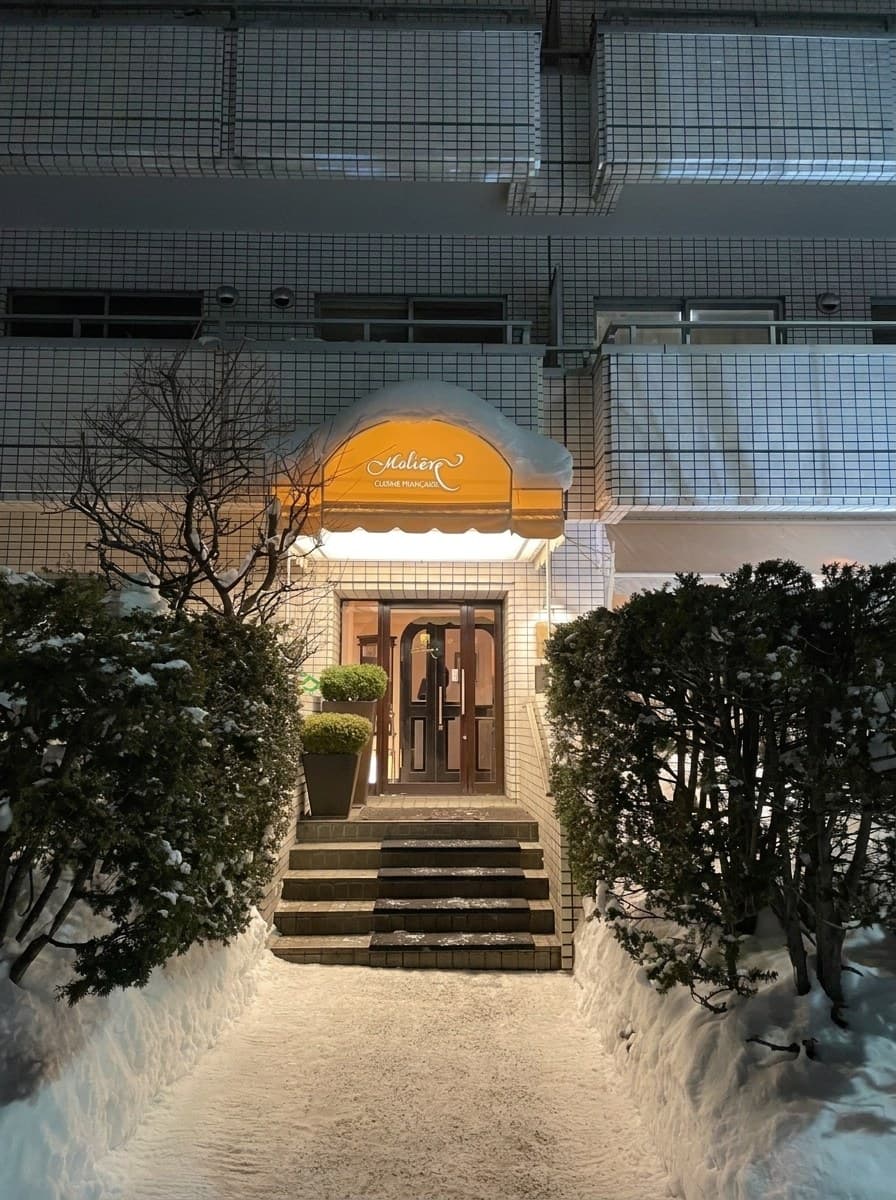
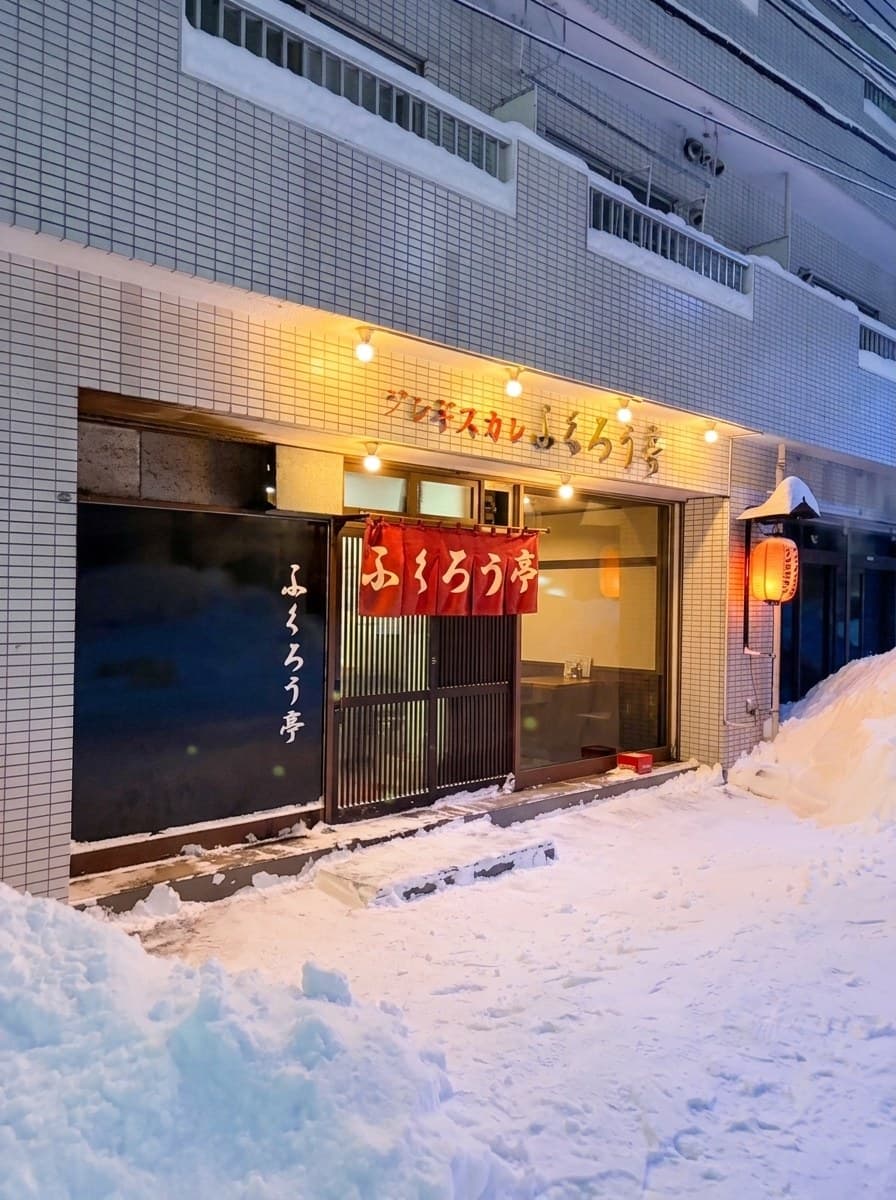
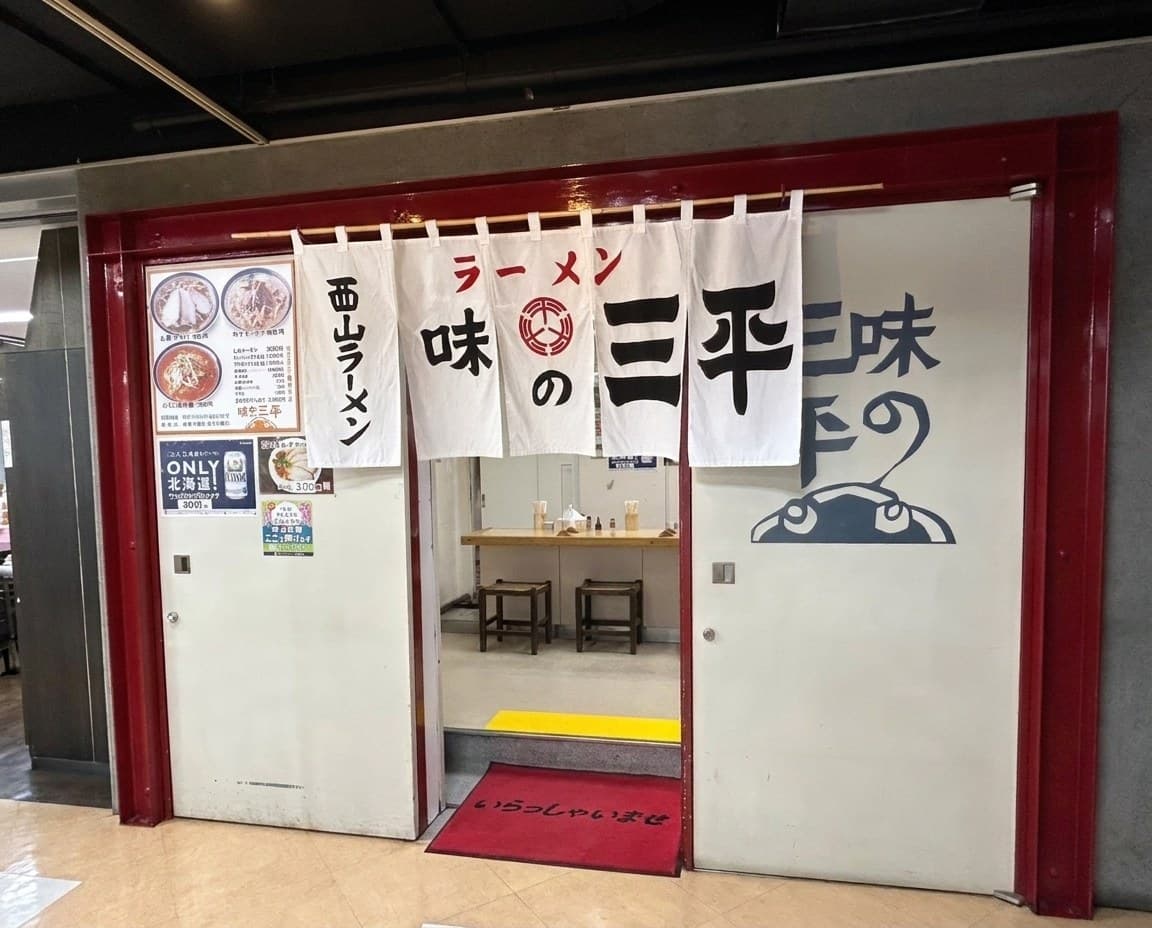
Hokkaido rewards eating widely, not just at sushi counters. Restaurant Moliere, a celebrated Sapporo French kitchen, and Fukurou‑tei, known for its lamb, show the island’s breadth — both are phone‑only, in Japanese: Moliere opens its book a month at a time, three months ahead, and Fukurou‑tei’s weekends fill about two months out. For a simpler, more spontaneous meal, Ajino Sanpei, the Sapporo ramen institution credited with miso ramen, needs no reservation at all.
For where each of these fits in an eating day — the market mornings, miso ramen at its birthplace, jingisukan lamb after dark — our Sapporo food guide lays out the city; for the wider northern picture, our guide to Tohoku, Japan’s last secret food region covers the mainland north just below Hokkaido.
Fix your dates early, respect the season, and let a concierge handle anything phone‑only — and Hokkaido’s finest counters open up.