Echizen crab — the snow crab presented to the Imperial household — chosen by hand at Mikuni port and served in a seven-room Meiji ryokan above the Sea of Japan.
By SHOKU NOREN TeamFacts last verified September 2026How we check
In shortEchizen-crab kaiseki in a seven-room ryokan; year-round kaiseki otherwise. You can book it online yourself, or our Tokyo desk can request the table for you.
Price
Crab courses priced by the crab's grade; off-season kaiseki lunch from ¥7,000, dinner from ¥12,000
Private rooms
Sea-view private rooms, the main way to dine here
Payment
Cards accepted (VISA · Mastercard · JCB · AMEX · Diners) · e-money · no QR codes
Getting there
Mikuni harbor, near the Tōjinbō cliffs
Echizen crab is the aristocrat of Japan’s snow crabs — the only crab in
the country presented to the Imperial household — and it can only be
caught in a window written into fishery law: males land from November 6
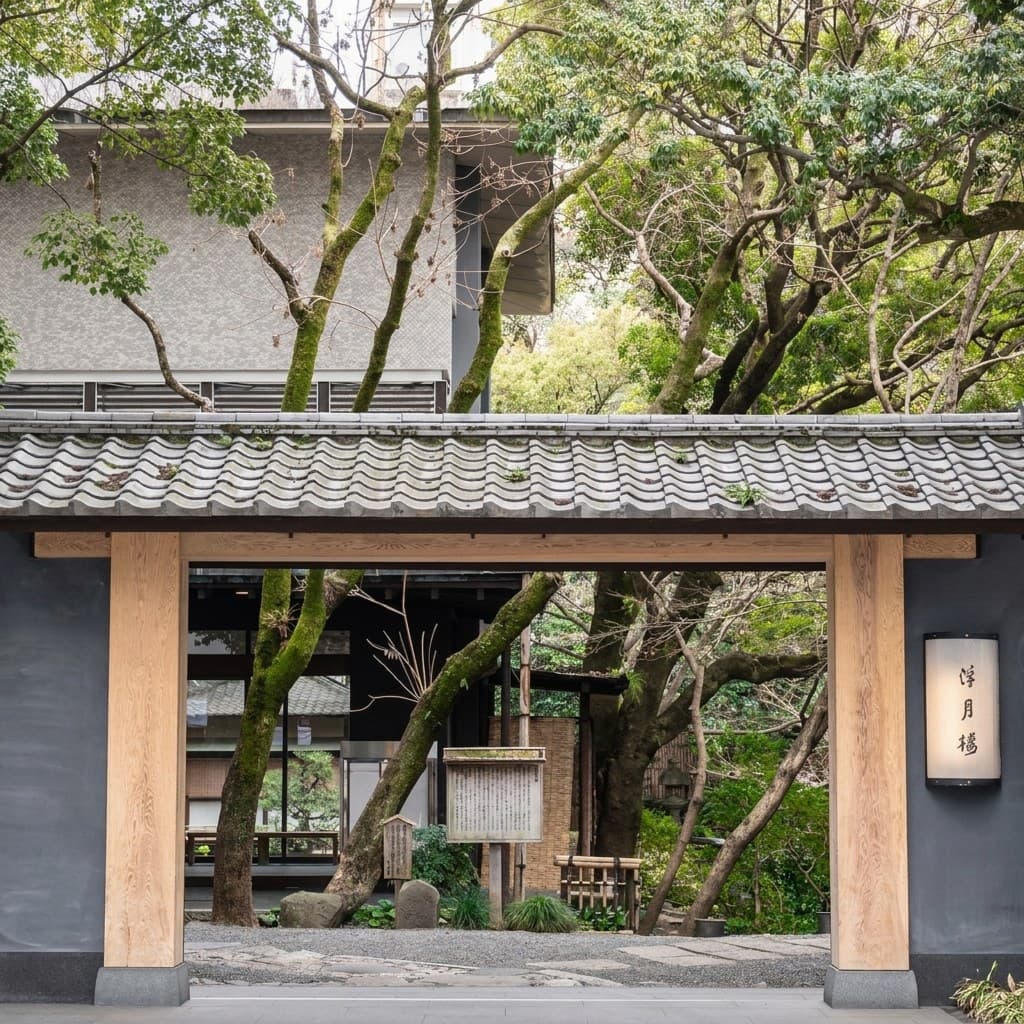
to March 20, full stop. Bouyourou, a ryokan (a traditional Japanese inn
that serves formal dinners to its guests) working above the Sea of Japan
for more than 110 years, builds its whole winter around those four and a
half months. The house sits at Mikuni port near the Tōjinbō cliffs,
minutes from where the boats come in — which is the entire logic of the
address.
What you eat
A single crab served three ways across a kaiseki — Japan’s formal
multi‑course meal: raw as sashimi, the leg meat sweet and
near‑translucent; boiled, the classic reading; and grilled over coals
until the shell blisters. The kitchen accepts only crabs wearing the
yellow tag that certifies a landing at an Echizen port, and reaches for
the heavy grades — well past a kilogram, up to the prized 1.3-to-1.4-kilo
class that auctions fight over. The house’s head goes to the Mikuni
market himself to pick each one, weighing size against condition rather
than trusting a supplier’s box. Outside crab season the kitchen runs
kaiseki year‑round, lunch from ¥7,000 and dinner from ¥12,000.
The booking reality
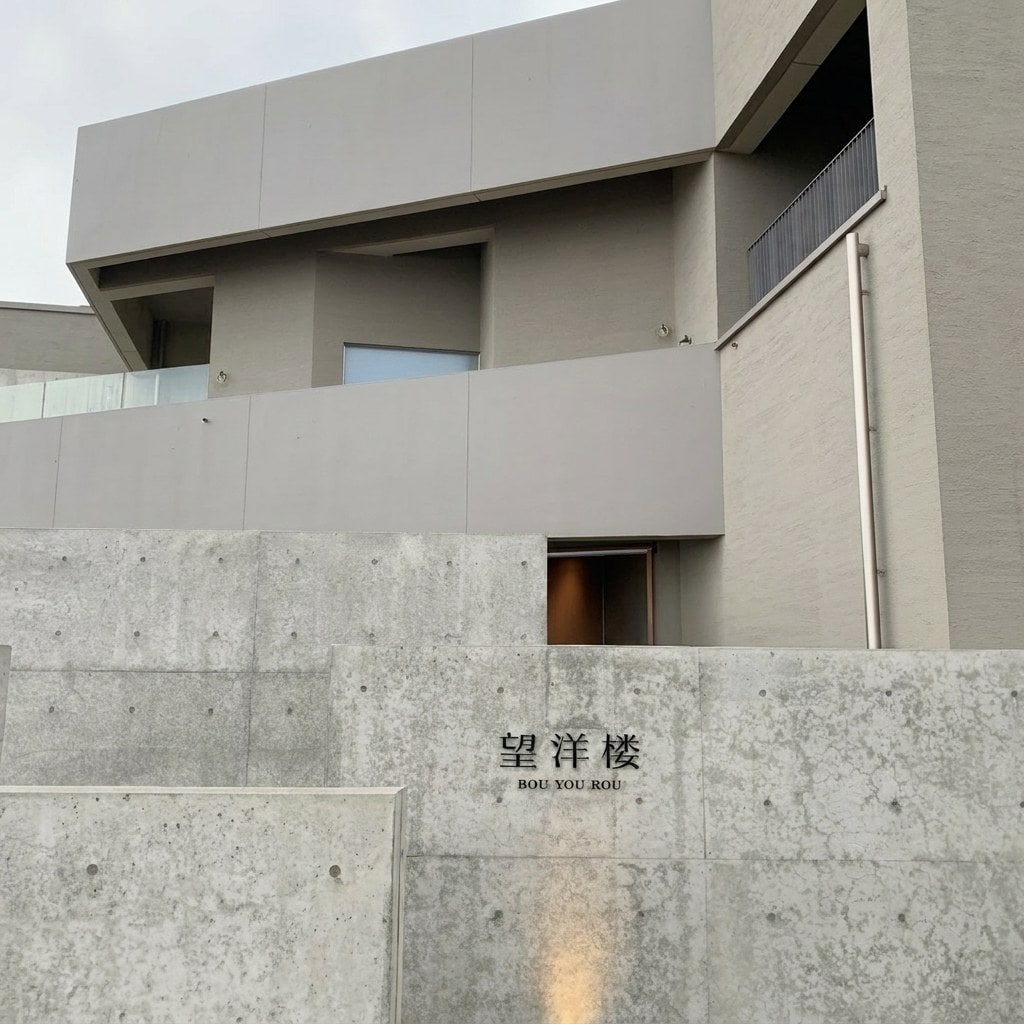
Since a 2021 top‑to‑bottom rebuild, Bouyourou has just seven rooms, every
one a suite with its own hot‑spring bath — so winter inventory is seven
tables deep, and the peak weeks between the November 6 opening and New
Year go first. Stays can be booked on the inn’s own online
system, which has an English version, or by phone in Japanese
(0776‑82‑0067); the book runs about six months ahead, excluding the
current month, with Golden Week and New Year sold across months.
Top‑grade crab plans are priced by the crab itself, so the booking also
settles what you are willing to spend — easiest to agree by phone. That conversation — grade, budget, date — is exactly what a
Japanese‑speaking desk exists to have on your behalf.
You can book it online yourself, or our Tokyo desk can request it for you. Request this table →
Go if you
Travelers willing to plan around a season rather than a schedule —
routing to the Fukui coast between November and March for a crab whose
calendar is set by law, eaten in a private room above the water it came
from.
Free release-date alerts: the day before, on the morning of release day (08:00 JST) and about 30 minutes before when the time is known — or a weekly summary if the house opens a little every day.
Bouyourou: common questions
Can you book Bouyourou from abroad?
Yes. The inn's own online booking for stays (in Japanese or English) or phone in Japanese (0776-82-0067); stays open about six months ahead, excluding the current month. The crab season is fixed by law, November 6 to March 20. You can book online yourself, or our Tokyo desk can request the table for you; our ¥6,000-per-seat fee is charged only if we confirm your table.
Some of these links are referral links: if you book through them we may earn a small commission, at no extra cost to you. Restaurants never pay us to be listed or ranked. Editorial policy
Cite this page
Facts on this page were checked by our Tokyo desk. You are welcome to quote them with a link: