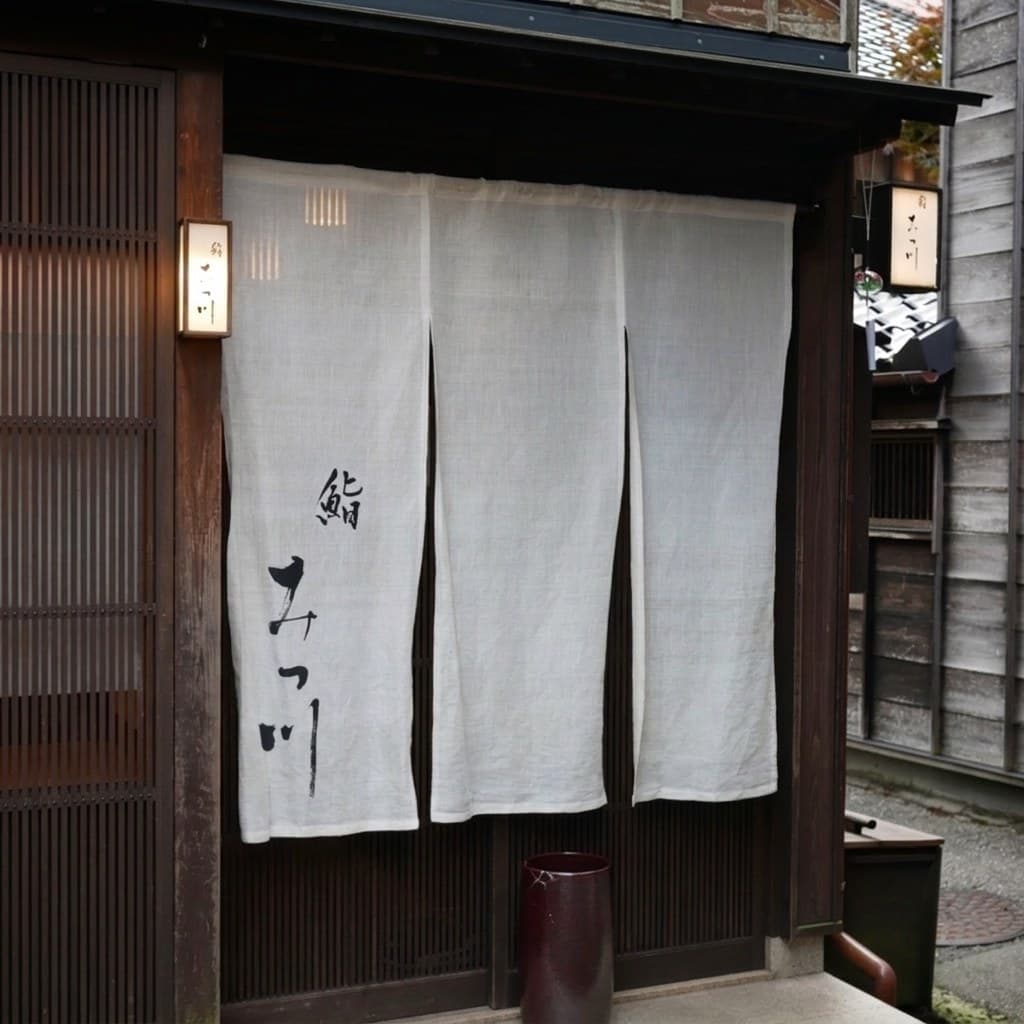
Every serious eater who researches Kanazawa hits the same name within minutes: Komatsu Yasuke, the counter of Kazuo Morita — a master in his mid‑nineties whom Japanese diners speak of, without much exaggeration, as the god of sushi. It appears in our 48 hours in Kanazawa itinerary, and it generates more questions than any other restaurant in the city. Here is how the seat actually works.
The reservation system, precisely
- Telephone only. No website, no platform, no email. This is common among Japan’s old houses — see our guide to phone‑only restaurants.
- The 1st of each month, three months ahead. On the 1st (the next open day if it falls on a Wednesday or Thursday) the book opens for the whole month three months ahead — October 1 opens January. Calls are answered 14:30–18:00; call as soon as the line opens, because seats go almost immediately.
- Regulars first. Like most legendary counters, returning guests take natural priority. A first‑timer’s call can succeed — the house says new guests are accepted — but first‑time callers may be asked for the name of someone who has dined there, and timing must be perfect and dates flexible.
- Japanese, at Japanese hours. The call happens in Japanese during business hours in Japan — the single biggest practical barrier for overseas visitors.
If that stack of obstacles looks familiar, it is the classic profile we describe in why you can’t book Japan’s best restaurants. Our desk places exactly these calls — send us your dates and we dial when the window opens; nothing is charged unless the seat is confirmed.
Daytime only: plan around lunch
Komatsu Yasuke serves no dinner. Seatings run at 11:30, 13:00 and 14:30, closed Wednesdays and Thursdays, minutes from Kanazawa Station. Treat it as the centerpiece of a day: Omicho market in the morning, the counter at midday, Higashi Chaya or the 21st Century Museum after.
Will Morita‑san be behind the counter?
At his age, honestly: usually, not always. He most reliably works the first seating (11:30), with later rotations increasingly handled by apprentices who have spent years absorbing his method. Diners in 2026 have also reported periods when he was away from the counter. No one — including the restaurant — will guarantee his presence on a specific date. Go for the house and its school; the master’s presence is grace, not contract.
What the sushi is like
Morita‑san’s nigiri inverts Tokyo orthodoxy: the shari is famously soft and loosely pressed, built to dissolve rather than resist; his aori‑ika, scored into silk, is among the most imitated single pieces of sushi in Hokuriku. With winter’s crab and yellowtail seasons, Kanazawa’s larder meets a technique found nowhere else.
If the seat doesn’t come through
Kanazawa’s counters run deep, and the city rewards a well‑built eating day regardless — our Kanazawa food guide and the profile of Kataori, the city’s other impossible table, map the terrain. For a fully arranged Hokuriku run — Kanazawa, Toyama, the crab coast — see our journeys.