Yellowtail is a good fish most of the year and a great one in the dead of winter. Kanburi — literally “cold buri” — is wild yellowtail caught when the water is coldest and the fish is fattest, and the difference is dramatic. The winter fat marbles the flesh, softens the texture, and turns an everyday fish into one of the luxuries of the Japanese cold season.
What makes it kanburi
Kanburi (寒鰤) is not a different species from ordinary buri — it is the same wild yellowtail, defined by when and how fat it is caught. Having fed heavily before the cold, winter fish carry far more fat than those landed in warmer months, giving the flesh its prized richness. That fat is the whole point.
When to eat it
Kanburi peaks in the coldest weeks of winter, roughly December through February. The exact timing shifts each year with water temperature and the yellowtail migration, but deep winter is reliably the window. As our seasonal sushi calendar shows, it sits among the richest fish of the coldest season, alongside shirako and fatty tuna.
Where it comes from
The fish is inseparable from the Sea of Japan coast:
- Toyama Bay — its most celebrated source. The summit brand is Himi kanburi: yellowtail taken in the bay’s traditional fixed nets (teichi‑ami) and auctioned at the port of Himi, qualifying only at eight kilograms and up (the threshold was raised from seven kilograms for the 2025–26 season). The season even has an official starting gun — a judging committee of fishermen and brokers issues the “Himi kanburi declaration” when the run properly begins, usually in late November, and closes it when the fish thin out, often in February. Tokyo’s top sushi counters watch that announcement the way Hokuriku watches the crab fishery’s November 6 opening.
- The wider Hokuriku coast — Ishikawa, Fukui, and neighboring prefectures, all strong for winter buri.
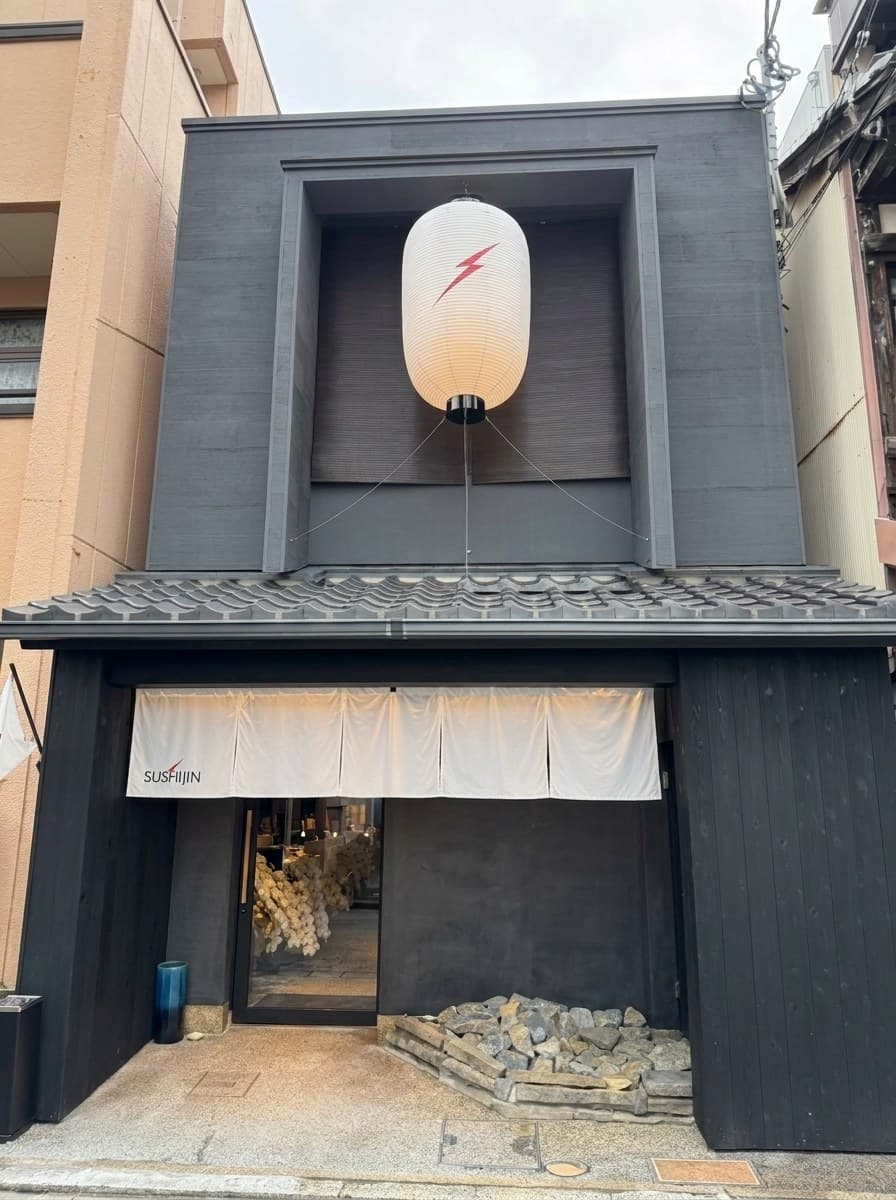
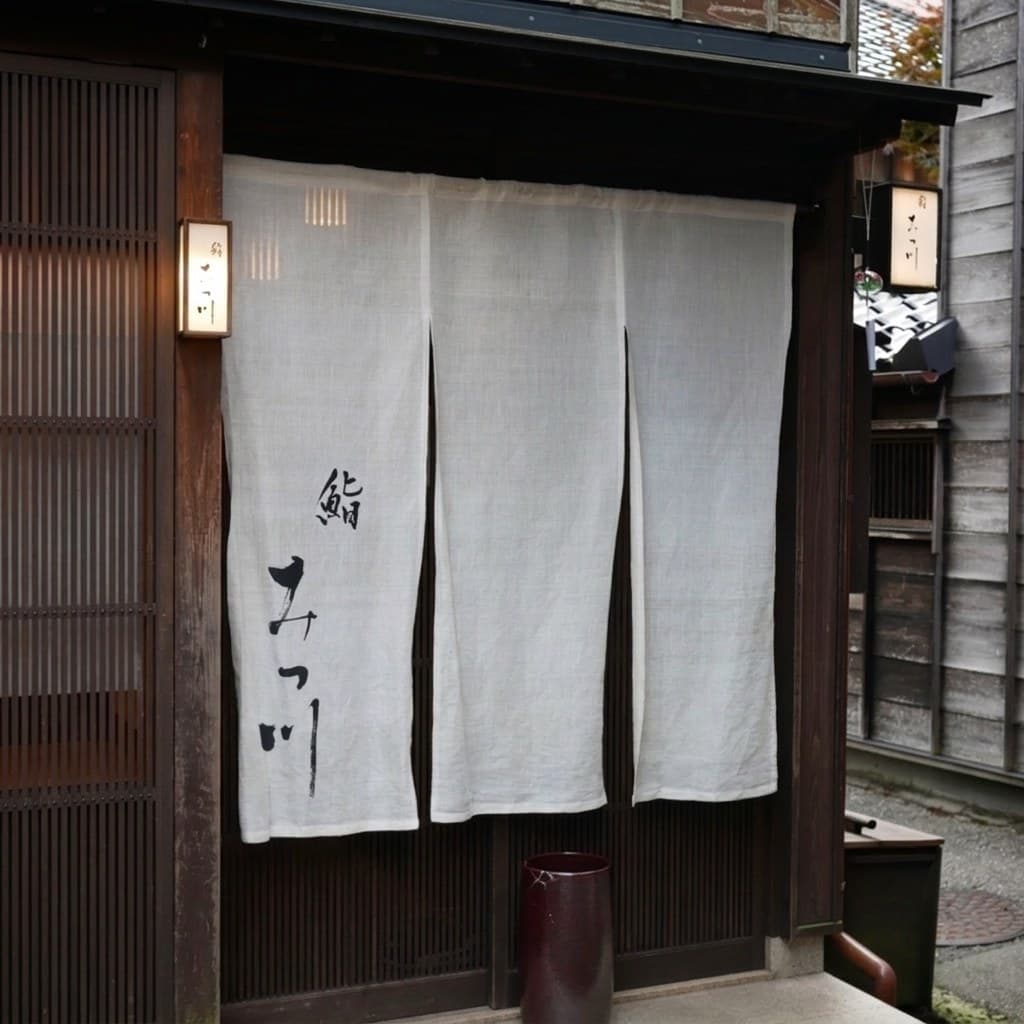
A whole branded Himi fish can fetch tens of thousands of yen at market, but eating it is accessible: a kanburi sashimi or shabu course along the coast typically adds a few thousand yen to a meal, not a fortune. Counters across the region build their cold‑season menus around it. In Kanazawa, a sushi specialist like Daikumachi Sushijin Hanare is the kind of counter where the winter fish is treated with real care — and the city’s legendary daytime counter, Komatsu Yasuke, sits an hour from the bay that lands it.
How it is served
Kanburi crosses easily between raw and cooked:
- Sashimi and sushi — where the winter fat shows best
- Seared (aburi) — to render and warm the fat
- Buri‑shabu — thin slices swished briefly through hot broth
- Buri‑daikon — simmered with radish, a homely winter classic
If you are on the Sea of Japan coast between December and February, kanburi is one fish worth planning a meal around — and a reason the region fills up in the cold. The same weeks bring kobako crab and shirako to the same counters, which is why serious eaters treat a December Hokuriku run as one trip, not three: the crab houses and top sushi counters take December bookings weeks ahead, so fix the dates before the declaration, not after.