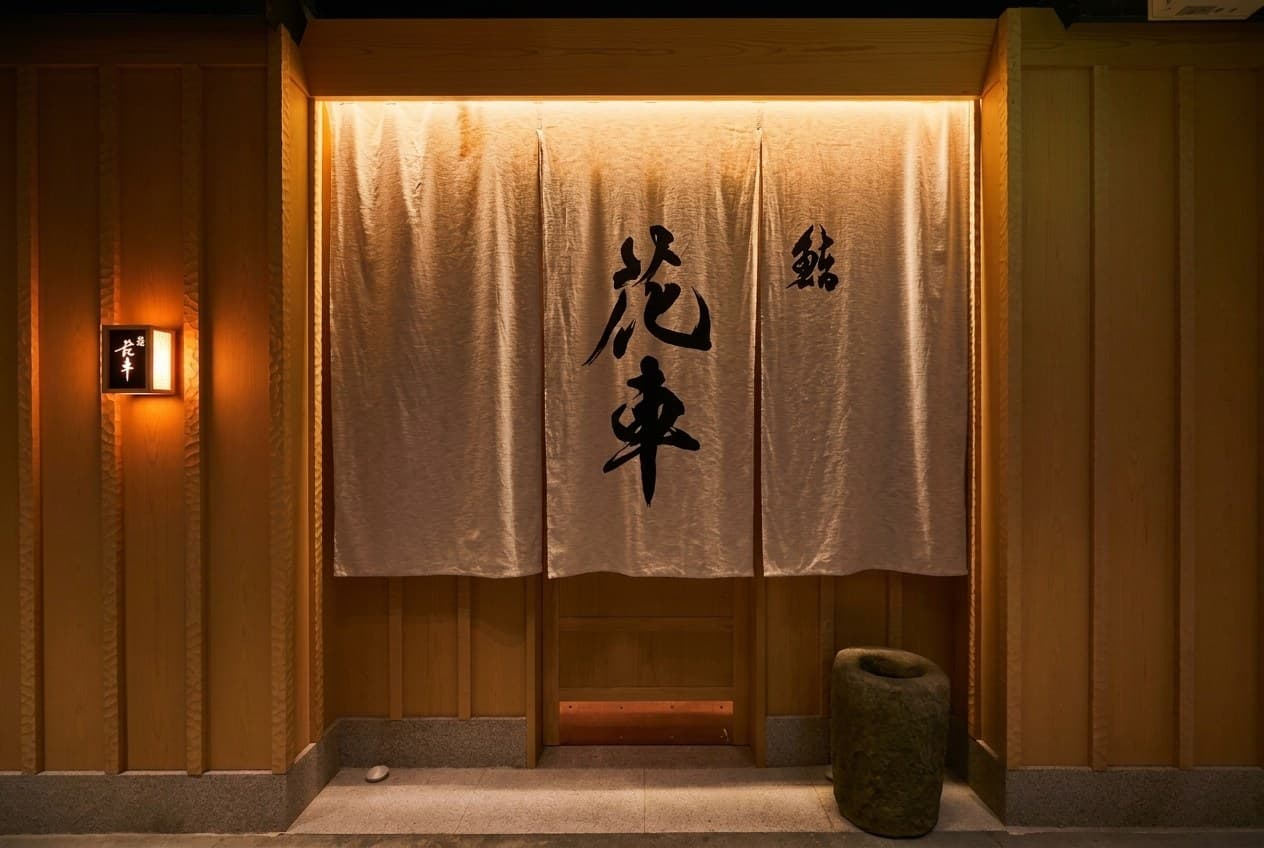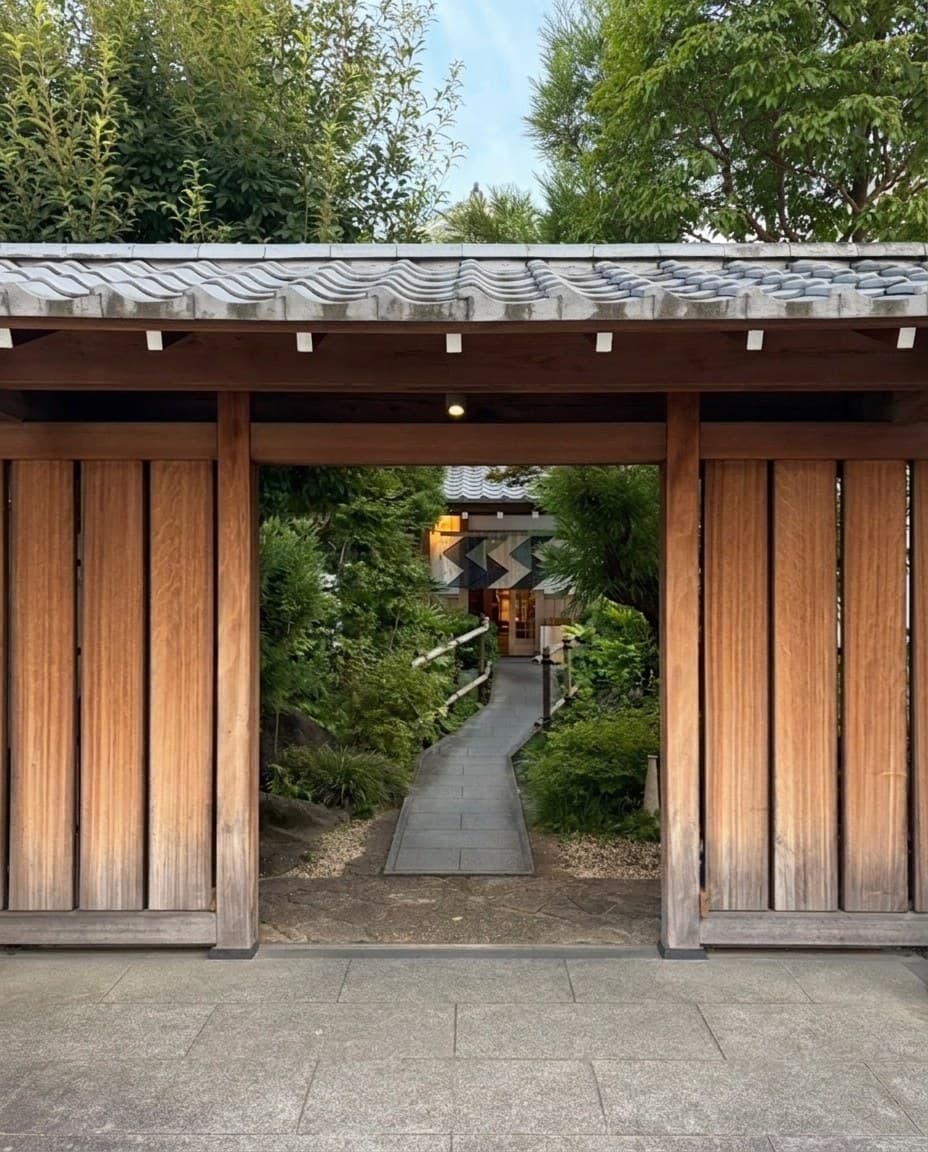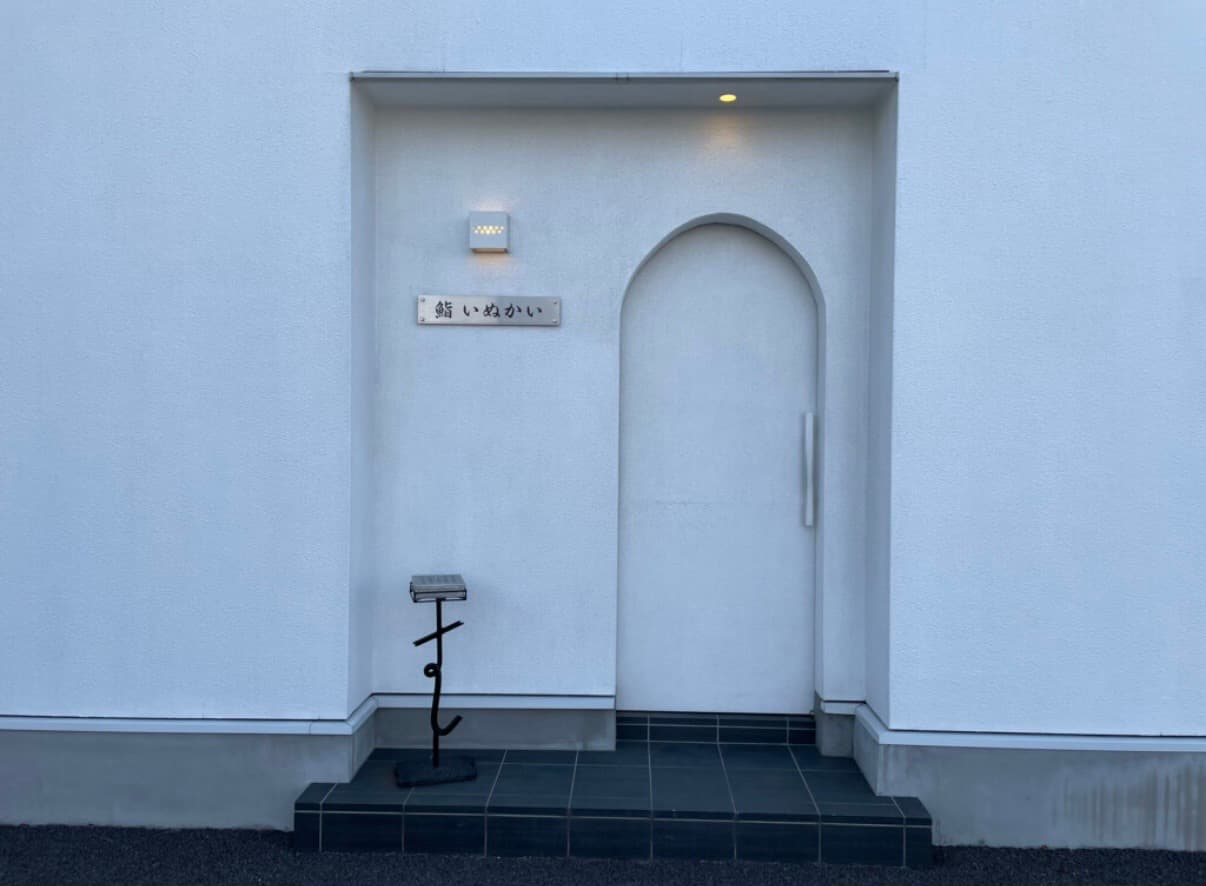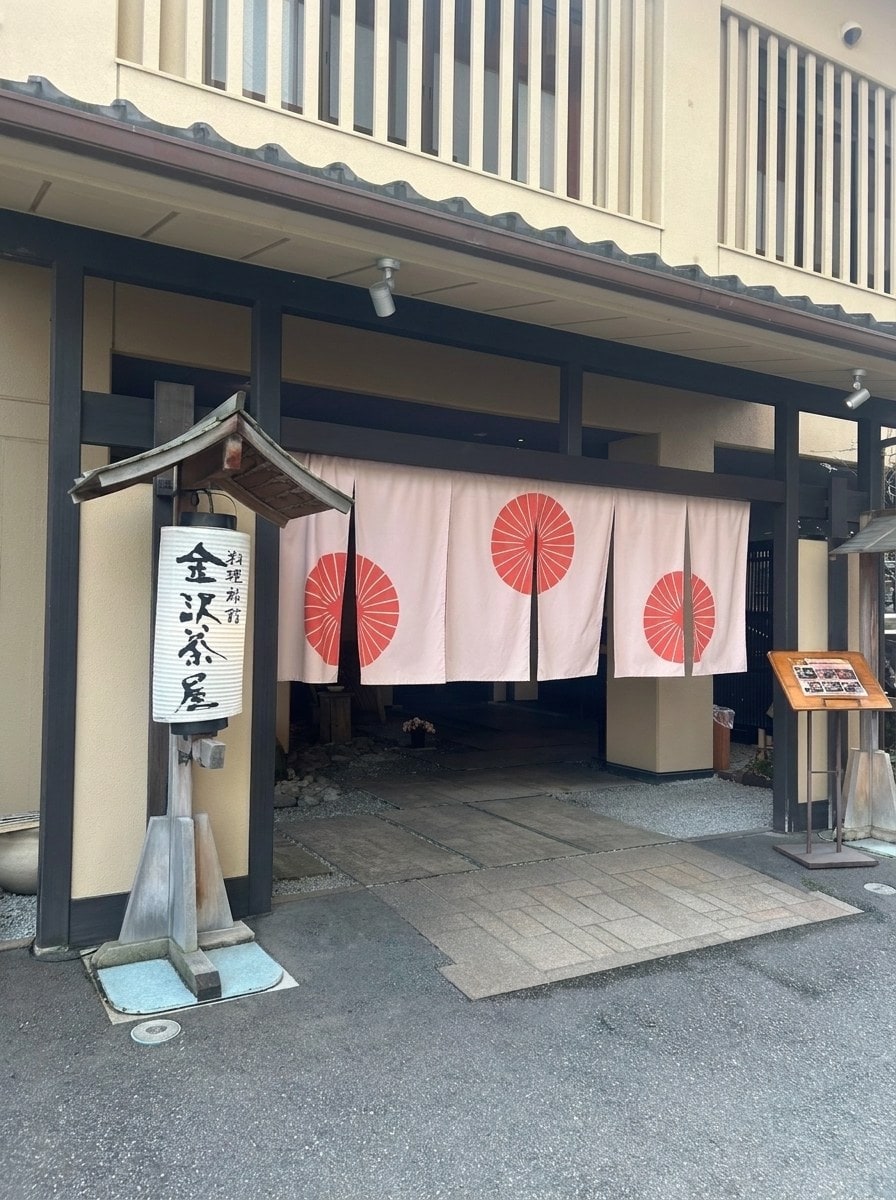
The saying is not ours, but it travels ahead of any first visit: Sukiyabashi Jiro in the east, Komatsu Yasuke in the west. Morita Kazuo, born in 1931, opened in the town of Komatsu in 1967, moved to Kanazawa’s Katamachi district in 1998, and closed in November 2015, at 84 — an ending, most assumed. It reopened in March 2017 on the ground floor of the Kanazawa Chaya annex, three or four minutes’ walk from Kanazawa Station. In 2019 the state named him a Contemporary Master Craftsman; the late former head of Ginza Kyubey called him the finest sushi craftsman in Japan. Now in his mid‑nineties, he still stands behind the counter on good days — most reliably at the first seating. When he rests, the team he trained runs the counter in his style. You book the house, not an audience.
What you eat
The ika — squid — is why many make the journey: filleted into gossamer threads, the moisture drawn off with cloth (“squid hates water more than any other seafood,” in the master’s words), rested into a dense sweetness, served with salt and sesame. His grip is called dancing — so light it keeps fingertips and body heat off the fish. Then Hakusan, a small bowl of soy‑cured tuna, uni (sea urchin) and grated mountain yam; eel‑and‑cucumber rolls; and in November and December, kobako — the briefly‑in‑season female snow crab of the Ishikawa coast. At the eleven counter seats, nigiri go straight into your open palm; at the three small tables they arrive plated. The base omakase — the chef’s‑choice course — with additions and sake. There is no printed price list.
The phone on the first
Reservations are by phone only, answered 14:30–18:00, for one of three lunch seatings: 11:30, 13:00, 14:30. There is no dinner. On the 1st of each month the book opens for dates three months ahead — October 1st opens all of January — sliding to the next business day when the 1st falls on a Wednesday or Thursday, the closed days. Regulars rebook as they leave. The house now says it accepts new guests, though a first‑time caller who can name — or come with — someone who has eaten there still has an easier time. That is the arithmetic: about 18 seats, three seatings, a phone line answered three and a half hours a day, and a book that fills on the afternoon it opens. A Japanese‑speaking desk that dials at 14:30 on the opening day is not a luxury here — it is the mechanism.
Go if you
Are building a Kanazawa or Hokuriku route around one table and can hold your dates flexible three months out; want to see what sushi becomes after six decades in one pair of hands; and can accept, gracefully, that the master’s presence is a gift the reservation cannot promise.