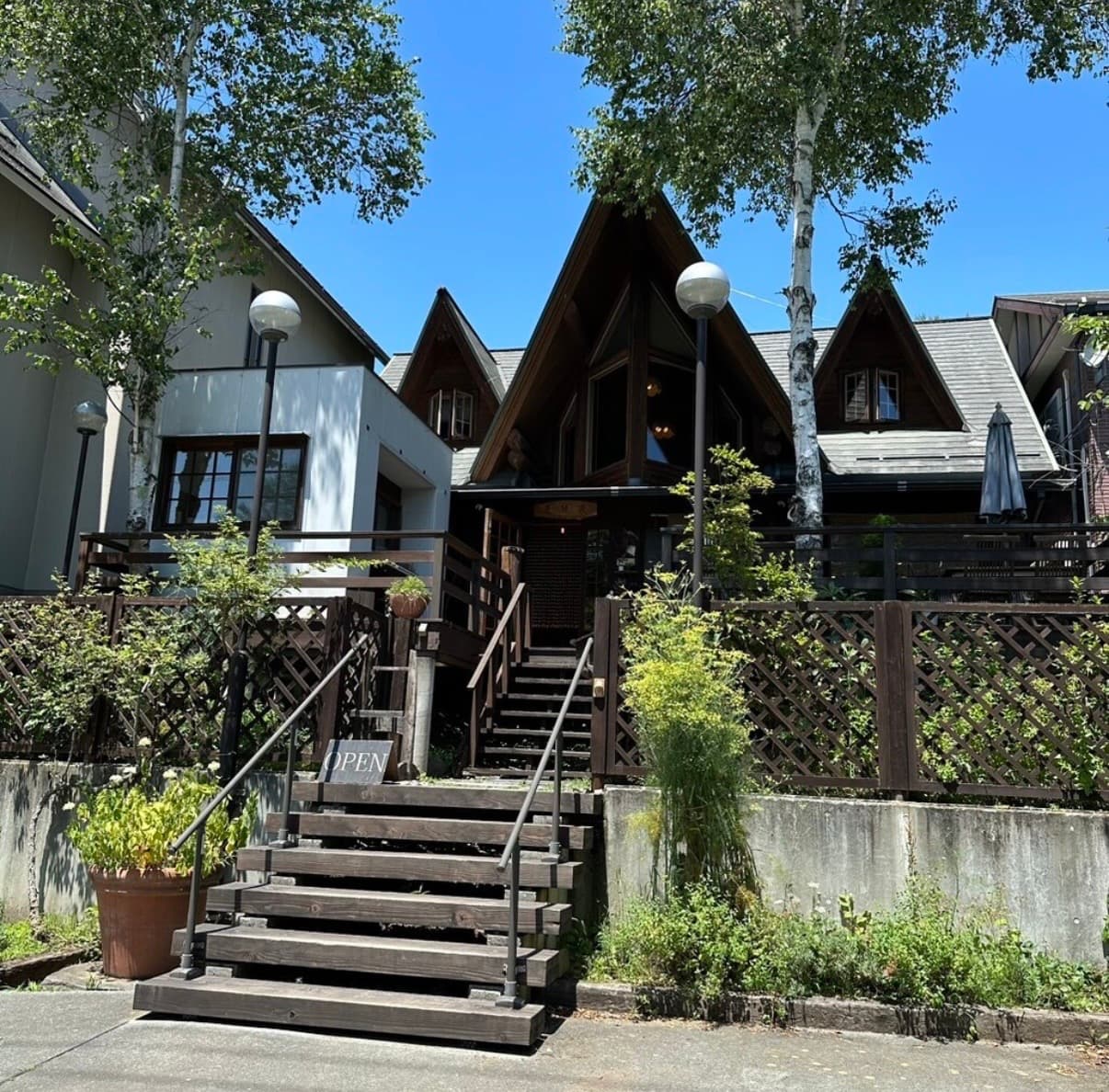
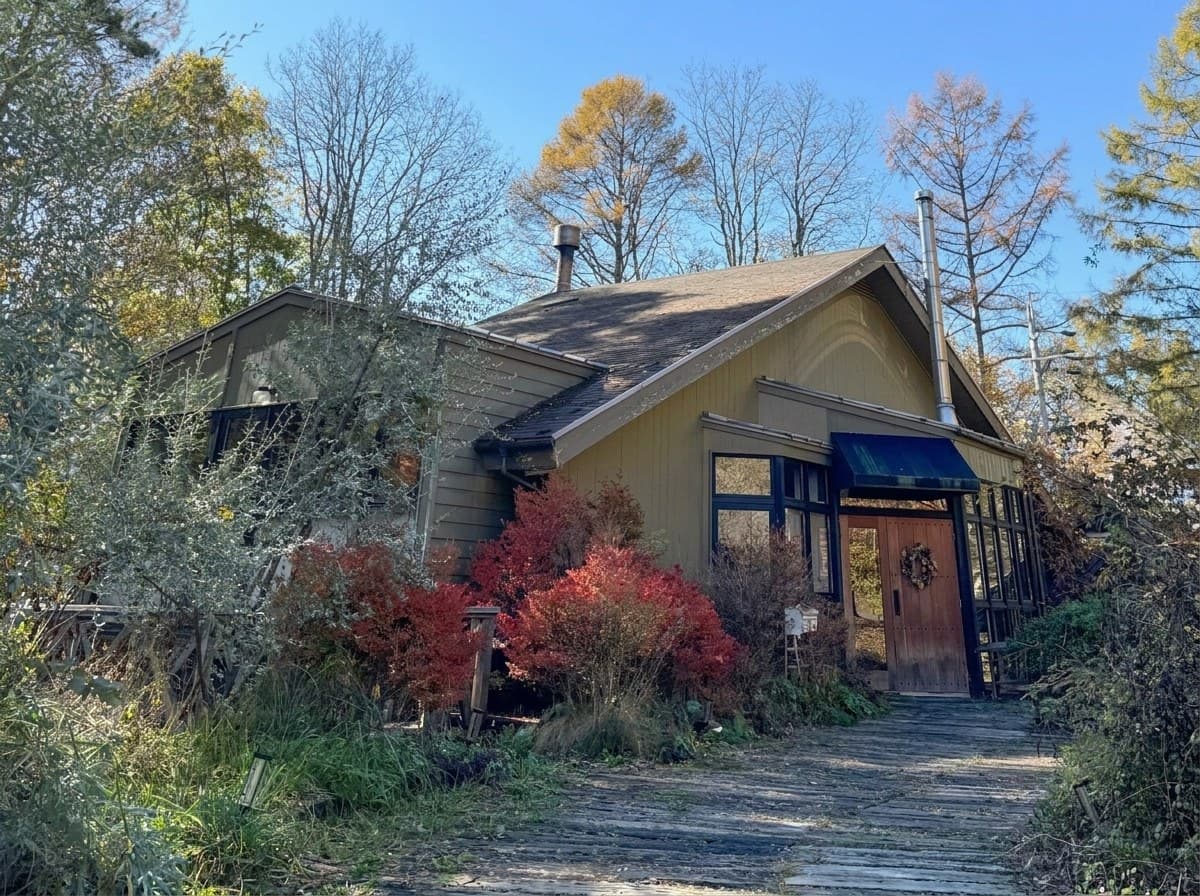
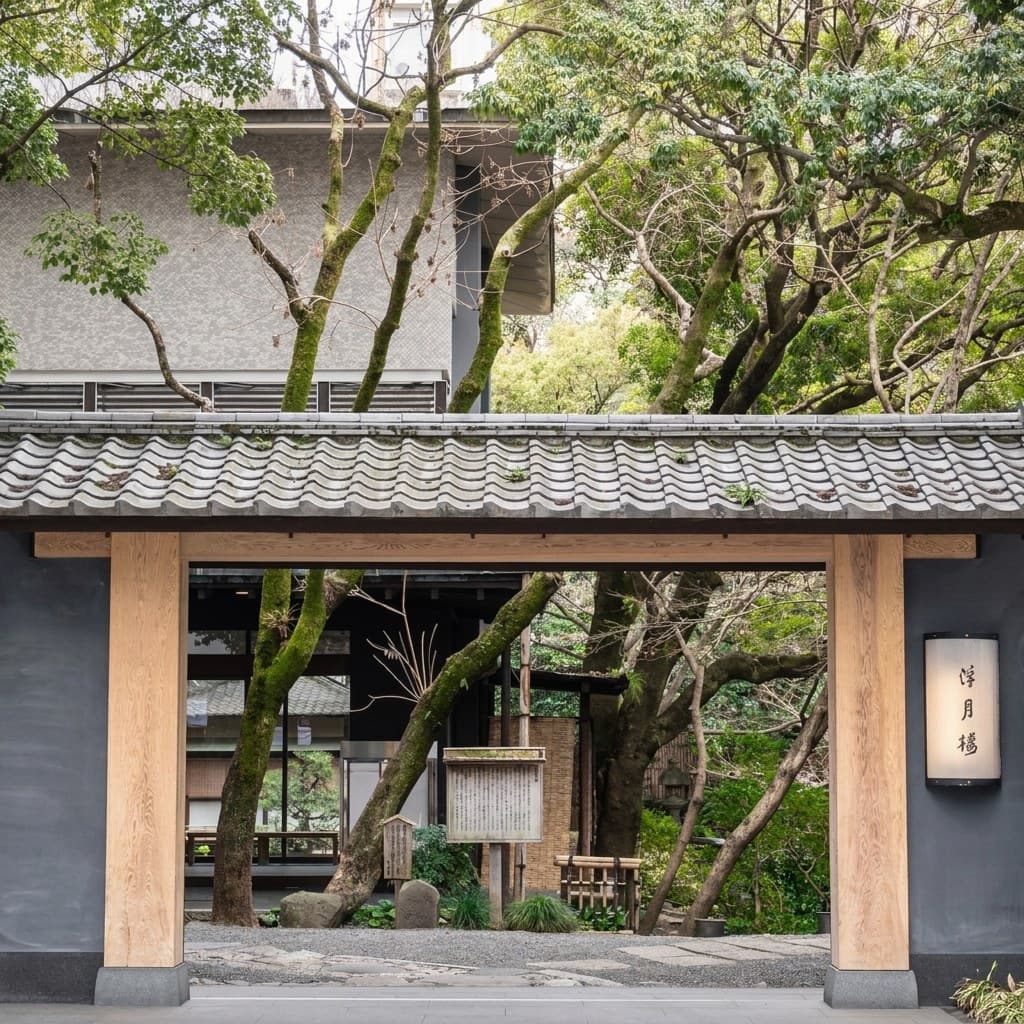
In shortKanazawa oden in a clear, soy-free broth. Reservations run in Japanese and are hard to place from abroad, so our Tokyo desk requests the table for you, by phone and in Japanese.
Price
À la carte; the winter kani-men runs ¥2,500. Prices are indicative, as listed on Hot Pepper (October 2026).
Hours
12:00–15:00 & 16:00–23:00 (Sun & holidays to 22:00; last orders 30 min before close)
Closed
Mondays (sometimes open when Monday is a public holiday — call to check)
Payment
Cash only — no cards, e-money or QR codes
Getting there
Katamachi, Kanazawa's dining and nightlife quarter
Oden — vegetables, fish cakes, and skewered oddments simmered for hours
in a communal pot of stock — is Japan’s winter comfort food, and Kanazawa
keeps its own school of it. Akadama has served that school since 1927.
Where Tokyo’s pot leans dark with soy sauce, this broth is drawn from
kelp and dried sardine and left unseasoned by soy entirely, so it stays
pale and clear and lets each piece taste of itself. The house serves lunch
from noon and reopens at four in the afternoon — an early evening start
that makes it one of the few serious kitchens in Kanazawa already
cooking well before the dinner hour.
What you eat
Pieces simmered in that light stock: kuruma‑fu, the ring of wheat gluten
that soaks up broth like a sponge and is Kanazawa’s signature oden
ingredient; the house’s namesake akadama, a fish cake hiding a quail egg;
and the usual company of the pot. The winter event is kani‑men — the meat
and roe of a kobako crab, the small female snow crab, picked out and
packed back into its own shell, then set whole in the broth. The fishery
that supplies it opens on November 6 and closes on December 29, so the
dish exists for roughly seven weeks a year, at ¥2,500, in limited. Prices are indicative, as listed on Hot Pepper (October 2026).
quantity per day.
The booking reality
This was long a walk‑in house — a counter and tables in the Katamachi
nightlife quarter, cash only. Since June 2026 the evenings run in four
sittings with priority for reservations, which the house takes for
seats from 16:00 on its Japanese web form, on Hotpepper or by phone;
some seats are kept free for walk‑ins, and lunch cannot be reserved at
all. On winter evenings a queue still forms. But the reservation that
matters most is not the table: the house announces the
start of kani‑men season on its own site each autumn and takes advance
orders for the crab, which routinely sells through. A call in Japanese
that books your seat and your kani‑men together, timed to the November
opening, is the difference between eating the dish and reading about it —
and is exactly the call our desk places.
Travelers spending a night in Kanazawa, near the Katamachi lanes after
the gardens and gold‑leaf workshops close, who want a warm local counter
rather than another formal dinner — and, between November 6 and late
December, the crab that defines the season here.
Free release-date alerts: the day before, on the morning of release day (08:00 JST) and about 30 minutes before when the time is known — or a weekly summary if the house opens a little every day.
Kanazawa Oden Akadama: common questions
Can you book Kanazawa Oden Akadama from abroad?
Yes, through our Tokyo desk. Evening seats (from 16:00) can be reserved on the house's Japanese web form, on Hotpepper or by phone in Japanese; lunch is walk-in only, and some evening seats are kept free for walk-ins. In crab season, pre-order the kani-men with the table. We call the restaurant for you, in Japanese, and the ¥6,000-per-seat fee is charged only if we confirm your table — no seat, no fee.
Some of these links are referral links: if you book through them we may earn a small commission, at no extra cost to you. Restaurants never pay us to be listed or ranked. Editorial policy
Cite this page
Facts on this page were checked by our Tokyo desk. You are welcome to quote them with a link: