Alongside star counts and raw scores, Japanese diners lean on a third signal that most visitors never notice: the Tabelog Hyakumeiten. Translated loosely as the hundred famous restaurants, these lists are one of the most trusted local shortcuts to eating well — and they work on a logic all their own.
What Hyakumeiten actually is
Hyakumeiten (百名店, hundred famous restaurants) is a set of annual Tabelog lists, each naming the top 100 restaurants in a single genre. The lists now cover dozens of genres — ramen, sushi, soba, yakitori, tonkatsu, curry, even the humble shokudo diner. Rather than ranking across all cuisines at once, each list stays inside one category, which makes it unusually practical. Genres with many qualifying restaurants are announced by area — EAST and WEST editions, and for some genres a single prefecture such as TOKYO or OSAKA on its own — so the ramen Hyakumeiten alone points you to a hundred vetted bowls in each half of the country.
How the lists are built
The selection comes from Tabelog’s own data rather than inspectors:
- Scores on the demanding 1.0 to 5.0 scale — see what a Tabelog score means.
- The top 100 restaurants by score in each genre, taken at a set point in time (genres with many qualifying restaurants have several area lists).
Because that curve is harsh and the cap is strict, earning a place is a real signal of sustained, broad regard — not a pay‑to‑list badge. The selection is entirely algorithmic: no jury, no votes, no way for a restaurant to campaign its way on. That is its strength and its bias — the lists follow the score, which rewards a long record of strong reviews and favors consistency over novelty. Tabelog’s separate honor for the absolute national elite — the Tabelog Award, voted by Tabelog users from among the restaurants rated most highly that year, with 733 restaurants across all genres in the 2026 edition — sits above it; Hyakumeiten is the broad base of that pyramid.
Why it differs from Michelin
Hyakumeiten and Michelin measure different things and overlap only partly:
- Hyakumeiten is genre‑by‑genre; Michelin ranks across cuisines.
- Hyakumeiten rests on public diner data; Michelin on inspectors.
- Hyakumeiten routinely includes casual specialists and regional favorites the guide never touches.
For the fuller comparison of the two big systems, see Michelin versus Tabelog.
Using Hyakumeiten as a traveler
Treat a Hyakumeiten listing as a focused shortlist for one dish. Want the best ramen in a city, or a serious soba counter? The relevant genre list is often more useful than a broad guide. Cross‑check it against the restaurant’s Tabelog score, and against a Michelin star where one exists, to triangulate.
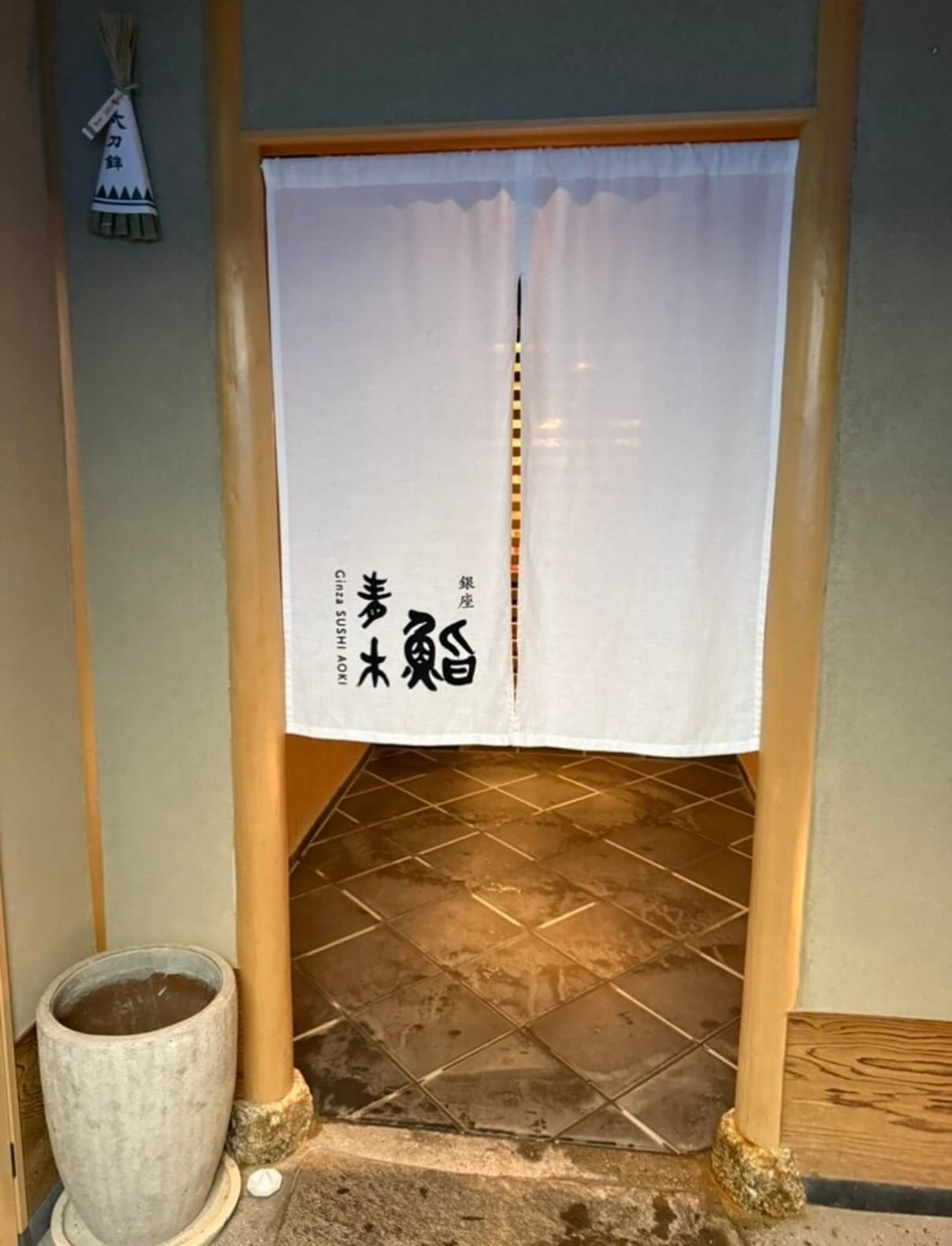
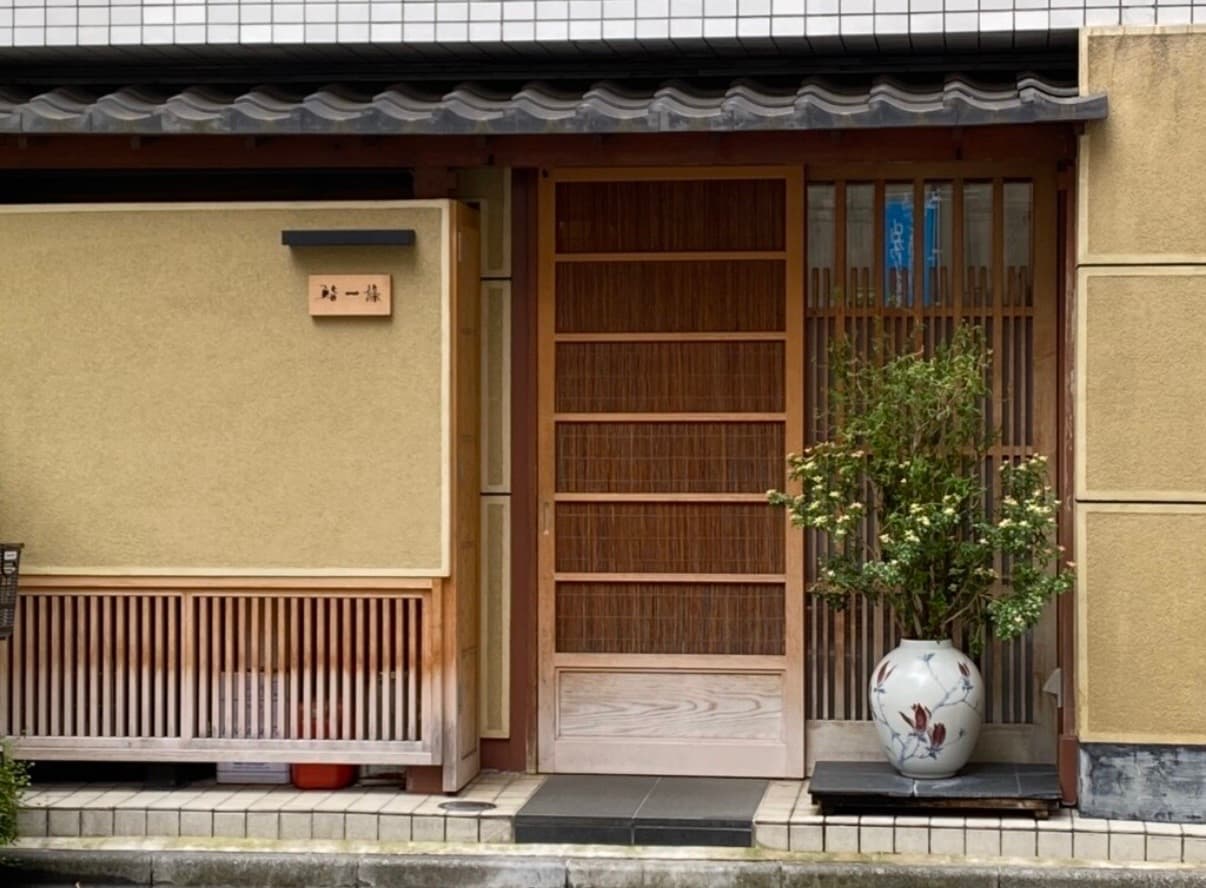
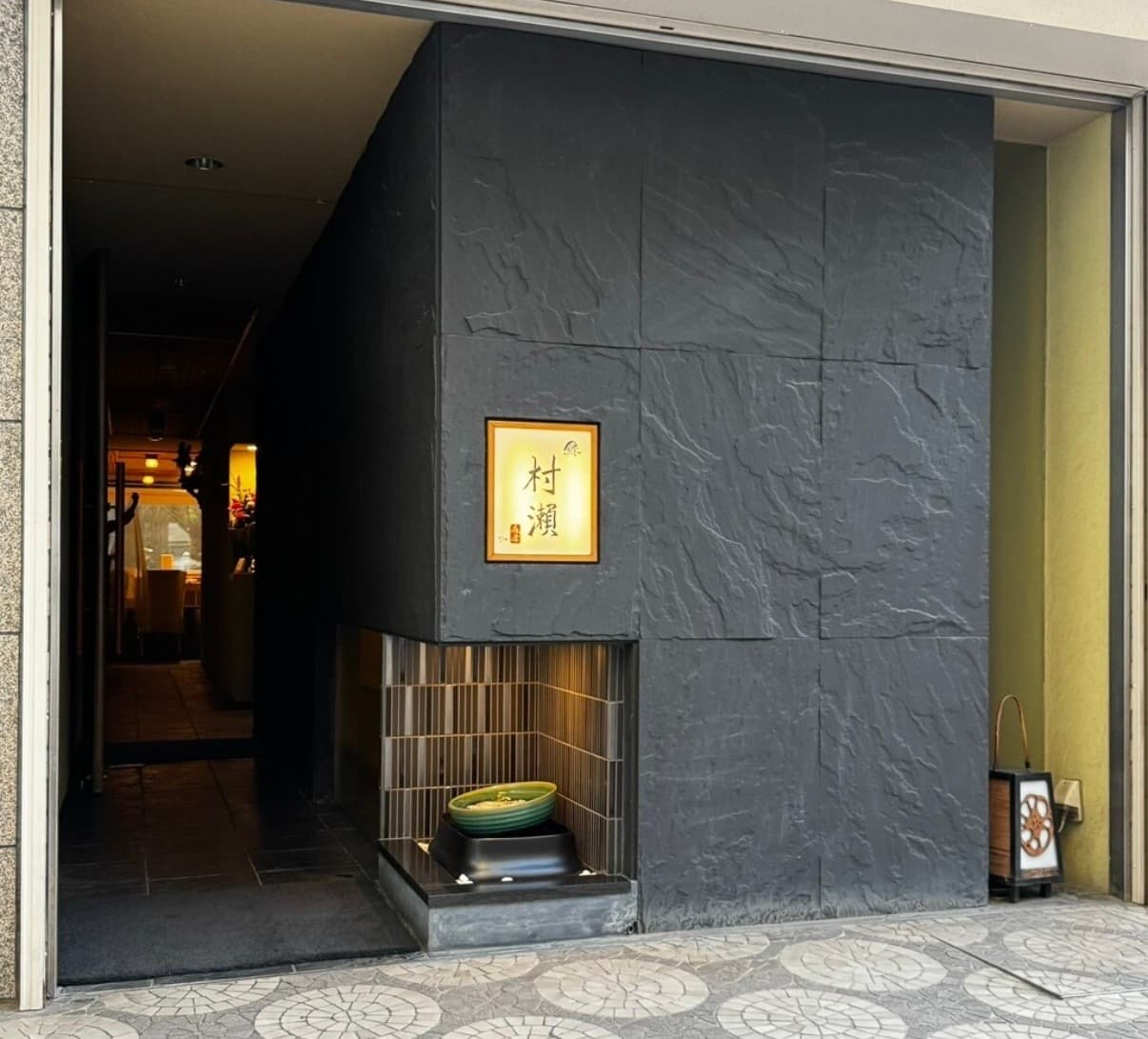
The practical beauty is that most Hyakumeiten genres are cheap and walk‑in. A listed ramen bowl costs ¥1,000–1,500 and asks only that you queue; the tonkatsu, curry, and unagi lists likewise mostly need patience rather than connections (a ninety‑minute line at a famous shop is normal — go at opening or mid‑afternoon) (as of August 2026). The two big exceptions are the sushi and yakitori lists, which read like an index of Tokyo’s hardest reservations: recognition there converts directly into booking scrambles on release days, online and by phone, and into waitlists. The lists also shine outside the capital — pull the local Hyakumeiten for whatever city you are in and you have a vetted eating itinerary that no English‑language guide matches. For dishes with real history, they pair well with our deep dives, like the history of ramen.
One caveat: the most‑listed restaurants are frequently the hardest to book, since the recognition drives demand. A Hyakumeiten badge is a strong green light — and often a sign you will need to plan, and reserve, well ahead.