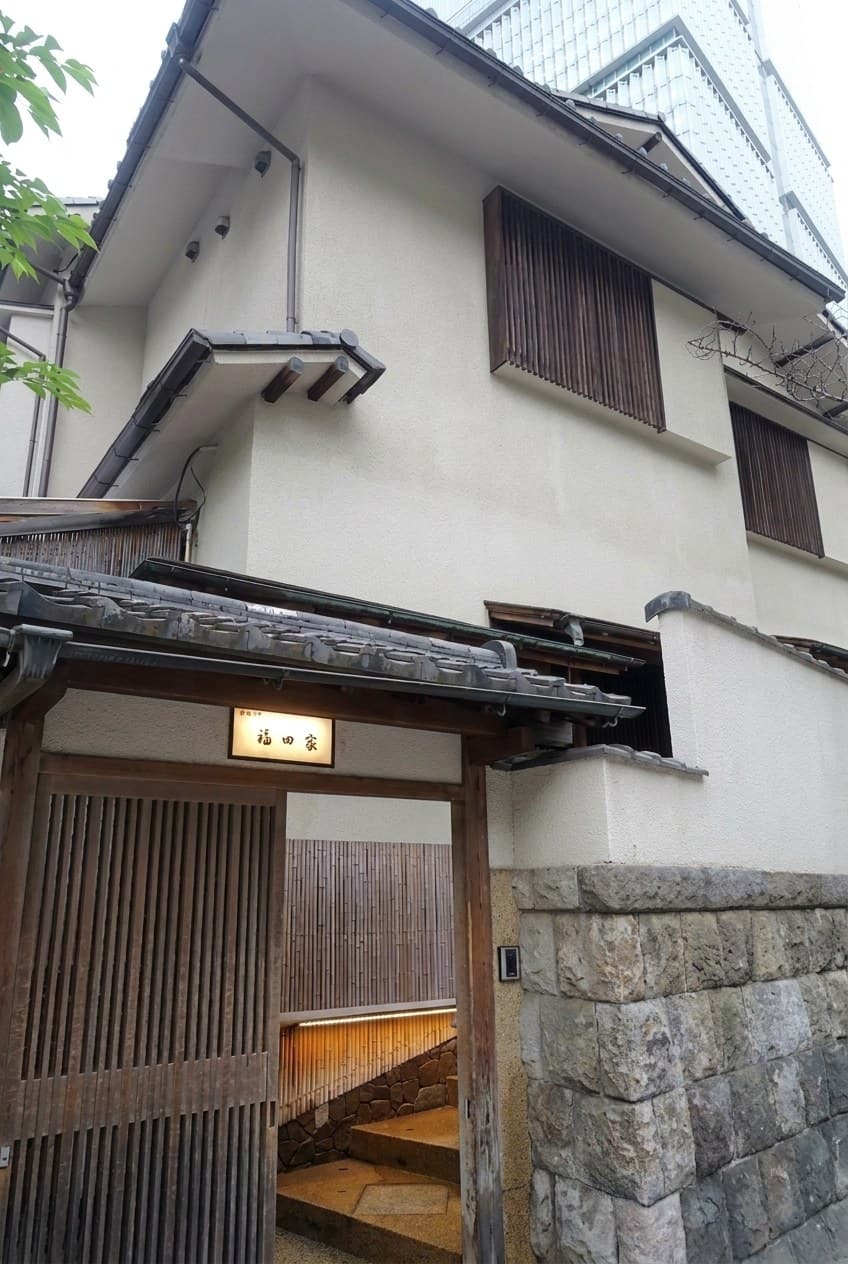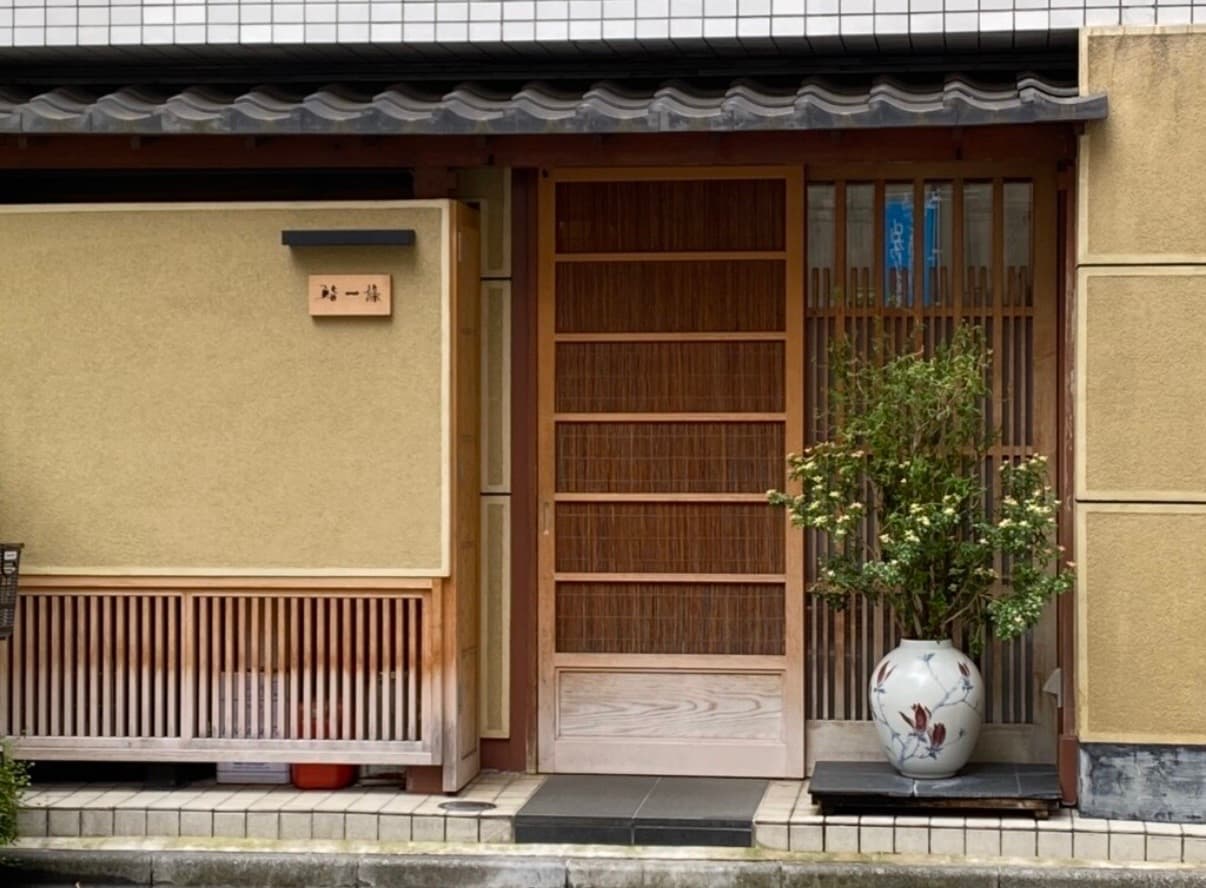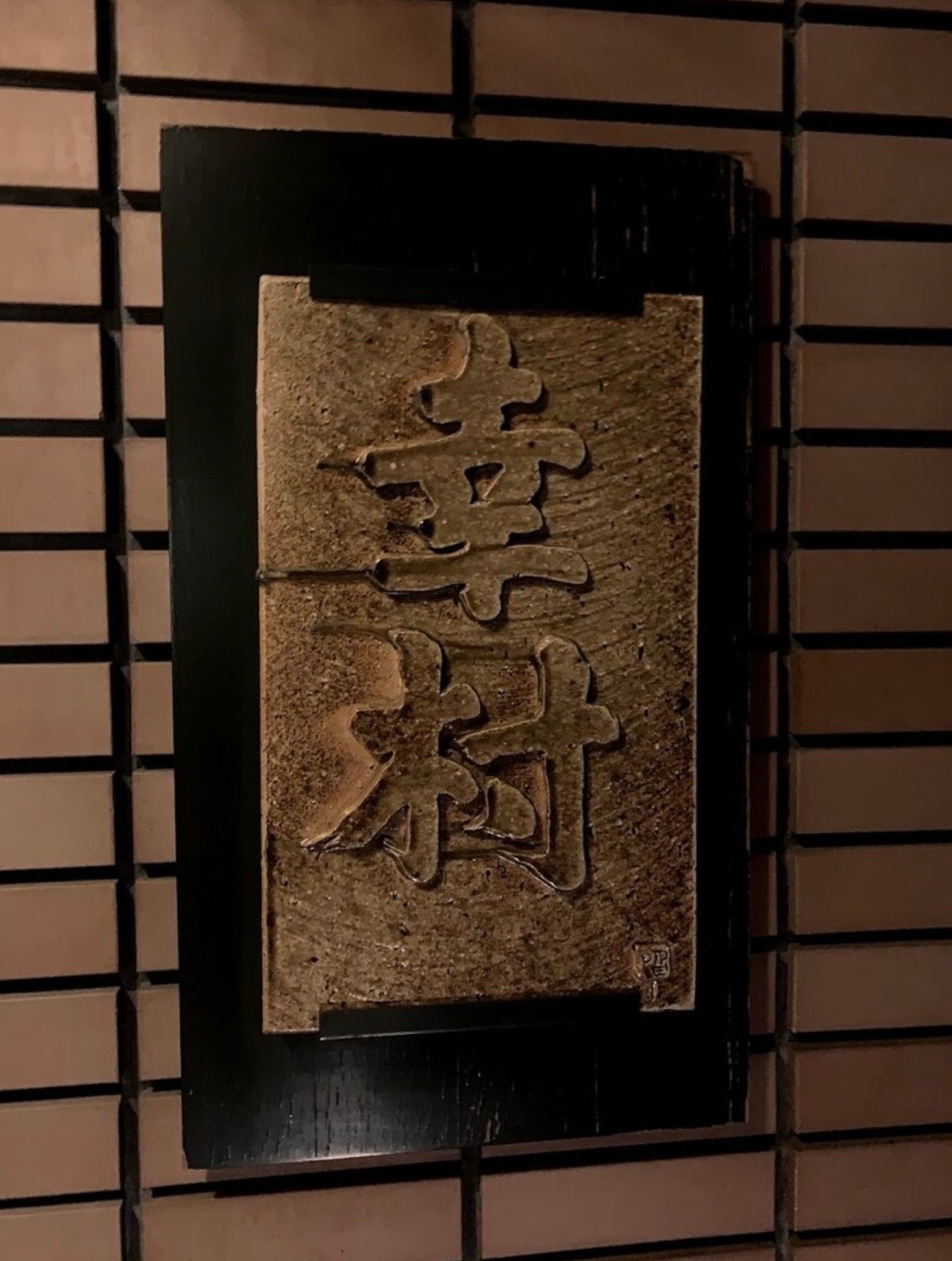
Jun Yukimura cooked in Kyoto for a quarter century — years of it leading kitchens in the tradition of Wakuden, one of Kyoto’s storied ryotei (traditional high‑formal restaurant) houses — before opening his own counter in Tokyo in 2000. What followed is one of the stranger stories of the Michelin era: three stars in the 2019 and 2020 Tokyo guides, two in 2021, and then, from 2022, absence — the guide simply no longer lists the house, and no reason has ever been published. The cooking did not change. Tabelog, Japan’s most trusted crowdsourced ranking, held it at 3.89 when we checked in 2026, with a multi‑year Bronze streak in the Tabelog Award, and its Hyakumeiten list named it among Tokyo’s hundred finest Japanese restaurants in 2021, 2023 and 2025.
What you eat
The house identity is a seasonal quartet, and guests book the season, not just the restaurant. In spring, the hanazansho hotpot — beef buried under a heap of wild sansho pepper blossoms, the dish that taught Tokyo to crave hanazansho and the year’s most fought‑over table. In summer, ayu, the small sweet river fish, from Miyama north of Kyoto. In autumn, hamo‑matsu: pike conger and matsutake (pine mushroom) over charcoal. In winter, Taiza crab — snow crab landed at the tiny Kyoto port of Taiza — and fugu, the pufferfish. Everything is omakase, higher at the peaks, at fifteen seats on the third floor of a building three minutes from Azabu‑Juban station — one seating per evening, entry between 17:30 and 20:00, dinner only.
The booking reality
The telephone, in Japanese, is the only door — no website, no online booking — and the house has been known to ask for a landline number, an old‑school signal that you can be reached and trusted. No introduction is formally required, yet the four famous seasons go to regulars months ahead; realistically, aim for the shoulder months, one to three months out. English‑language information barely exists, and the room stays Japanese by design as well as by habit: as of September 2026 the house seats guests from overseas only when a Japanese‑speaking companion is at the table, so that the chef can talk the meal through with someone. That is a solvable problem. Our desk places the call and is honest about the odds — and if you have no Japanese‑speaking friend to bring, we can seat one of our own hosts beside you for the evening: they handle everything with the chef, take the course and tea, and their seat is settled by us, so at the counter you pay only for yourselves. The arrangement is quoted individually, since it includes the host’s course, and confirmed with the house before anything is charged.