In shortTeppanyaki — Kobe beef and A4/A5 kuroge wagyu on the iron plate. Reservations run in Japanese and are hard to place from abroad, so our Tokyo desk requests the table for you, by phone and in Japanese.
Price
Dinner Kobe beef courses ¥23,000–¥30,000 before tax · Kobe beef lunch ¥21,000 · wagyu lunch from ¥11,000
Cards accepted (VISA · Mastercard · AMEX · JCB · Diners · UnionPay) · 10% service charge at dinner only
Getting there
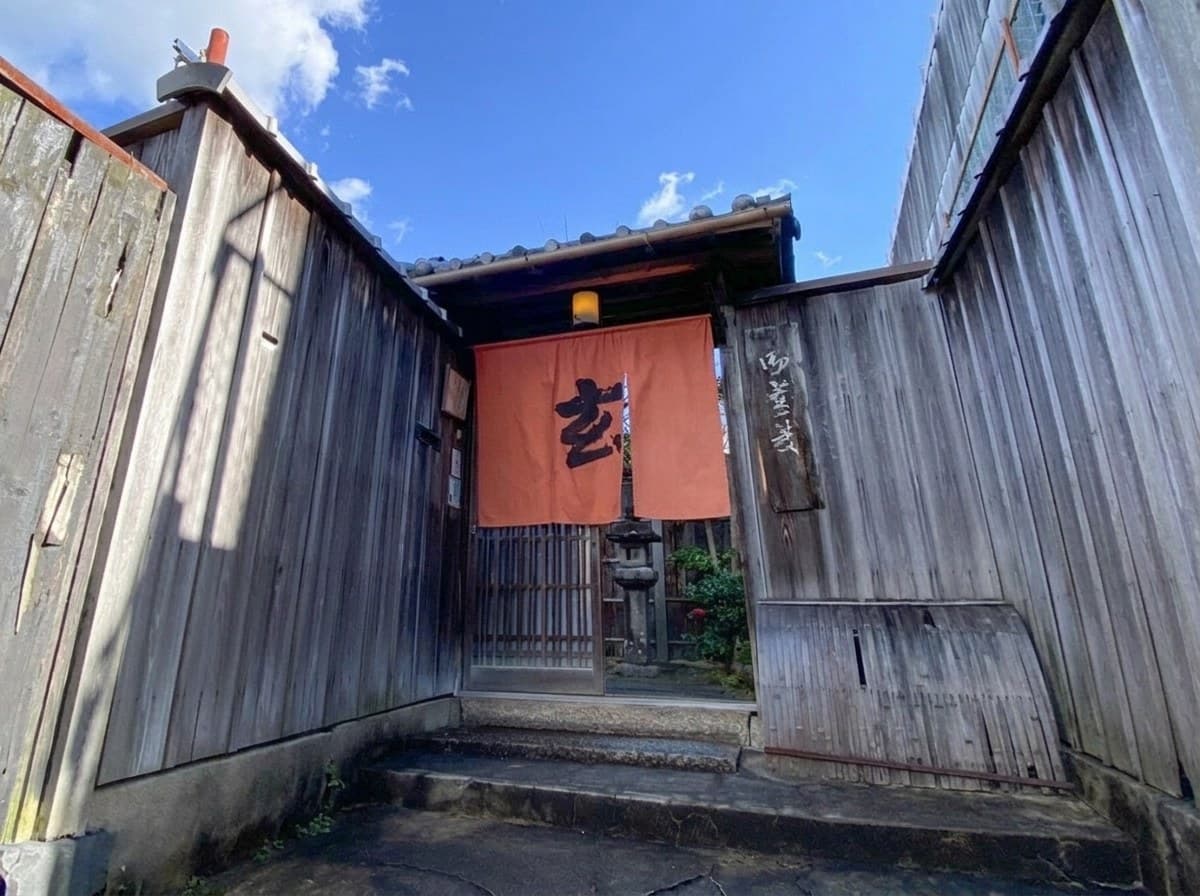
Near the approach to Ikuta Shrine, Sannomiya
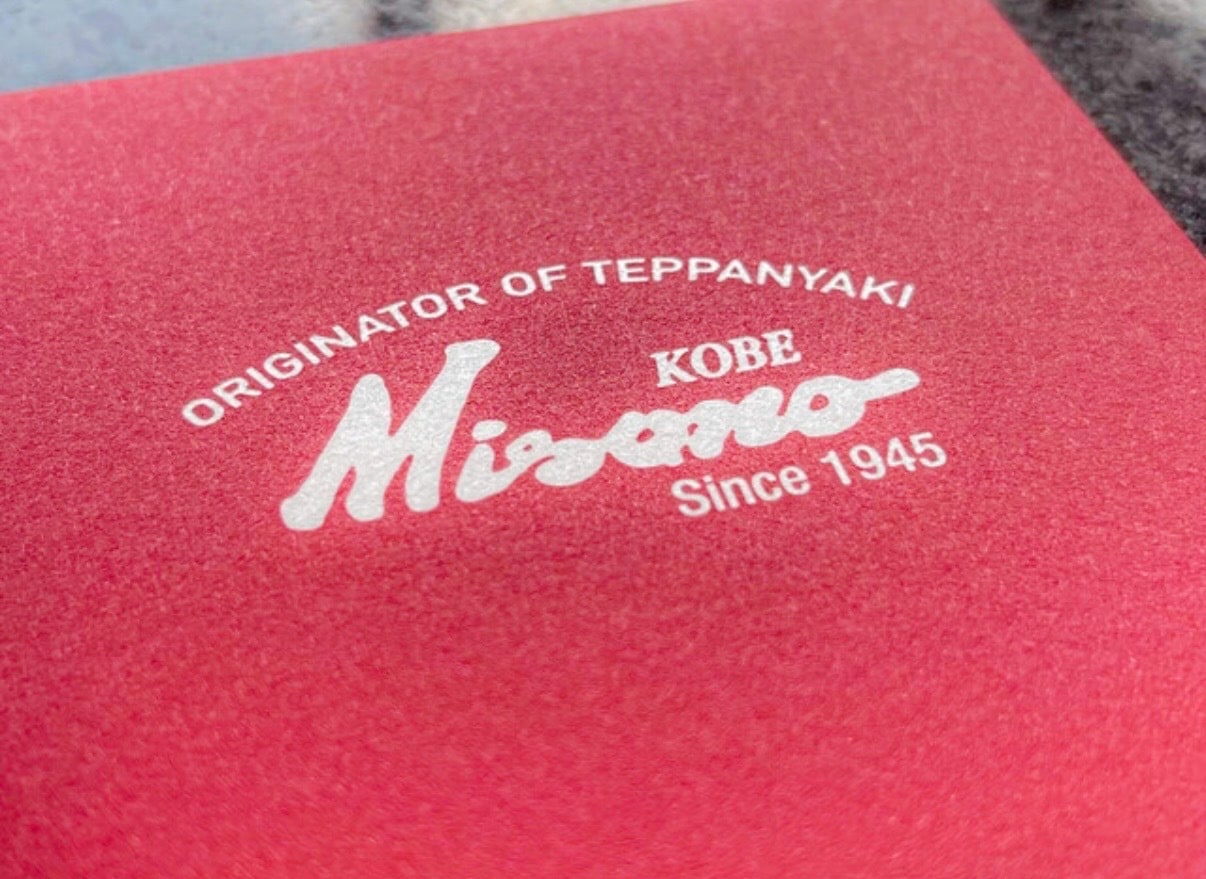
The dish now performed in hotels around the world is said to have
started here, in the ruins of 1945. Shigeji Fujioka opened Misono in
Kobe just after the surrender, setting up on the approach to Ikuta
Shrine with a sheet of iron salvaged from a shipyard. On it he grilled
Tajima beef — the local cattle strain whose finest carcasses are what
“Kobe beef” certifies — bought on the black market; dancers from the
nearby cabarets brought in officers of the occupation forces, the
steak‑on‑iron idea caught, and teppanyaki — iron‑plate grill cooking
— had its origin story. Misono still styles itself ganso, the
originator, and the city has never seriously argued.
What you eat
Beef, seared an arm’s length from your seat: Kobe beef and A4/A5
kuroge wagyu — the top two carcass grades of Japan’s black‑haired
cattle breed. The menu is built as courses around a 150-gram steak. At
dinner the Kobe beef versions run ¥23,000–¥30,000 before tax depending
On what surrounds the meat.
below. The Kobe beef lunch is ¥21,000 and wagyu lunch courses start
around ¥11,000 — the honest way onto the iron without the full evening
bill. A 10% service charge applies at dinner only.
The booking reality
The honten fills the top two floors of the family’s own Misono
Building in Sannomiya — fourteen seats at the 7th-floor counter,
twenty‑two on the 8th — a few steps from where the first stall stood.
There is no release day. The house takes bookings on its own online
page (Toreta, in Japanese) or by telephone in Japanese; parties of nine
or more, and anyone hoping for a table the same day, have to call. The
house enforces its book — arrive thirty minutes late without word and
the reservation is automatically released. It closes only for the New
Year break, December 30 to January 3. The online page is workable if you
read Japanese; if you would rather settle the floor, the course and any
questions in one conversation, a Japanese‑speaking desk can make the
call and confirm it before you land.
Free release-date alerts: the day before, on the morning of release day (08:00 JST) and about 30 minutes before when the time is known — or a weekly summary if the house opens a little every day.
Misono: common questions
Can you book Misono from abroad?
Yes, through our Tokyo desk. Online through the house's own booking page (Toreta, Japanese), or by phone in Japanese; parties of 9 or more and same-day tables by phone. Arrive 30 minutes late without word and the table is automatically released. We call the restaurant for you, in Japanese, and the ¥6,000-per-seat fee is charged only if we confirm your table — no seat, no fee.
Some of these links are referral links: if you book through them we may earn a small commission, at no extra cost to you. Restaurants never pay us to be listed or ranked. Editorial policy
Cite this page
Facts on this page were checked by our Tokyo desk. You are welcome to quote them with a link: