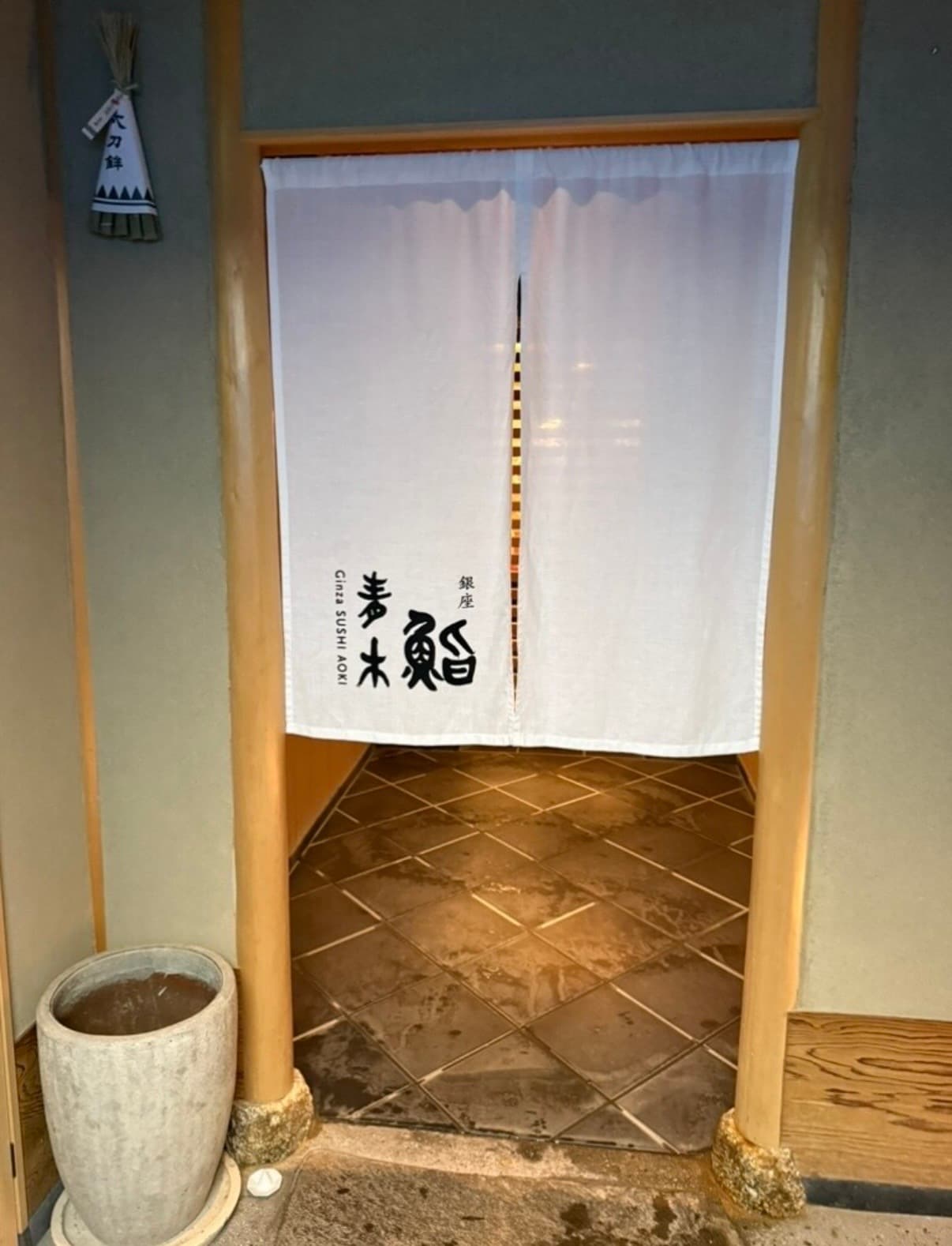
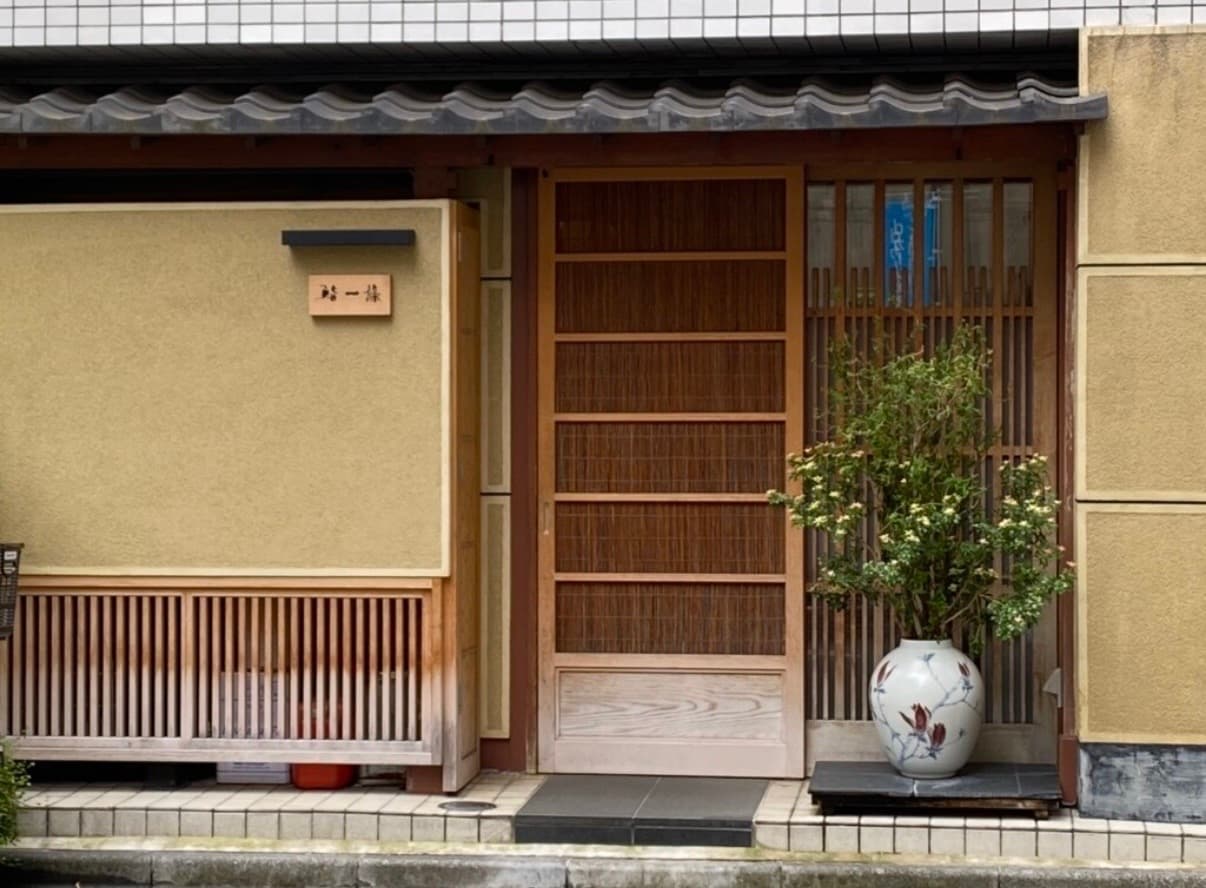
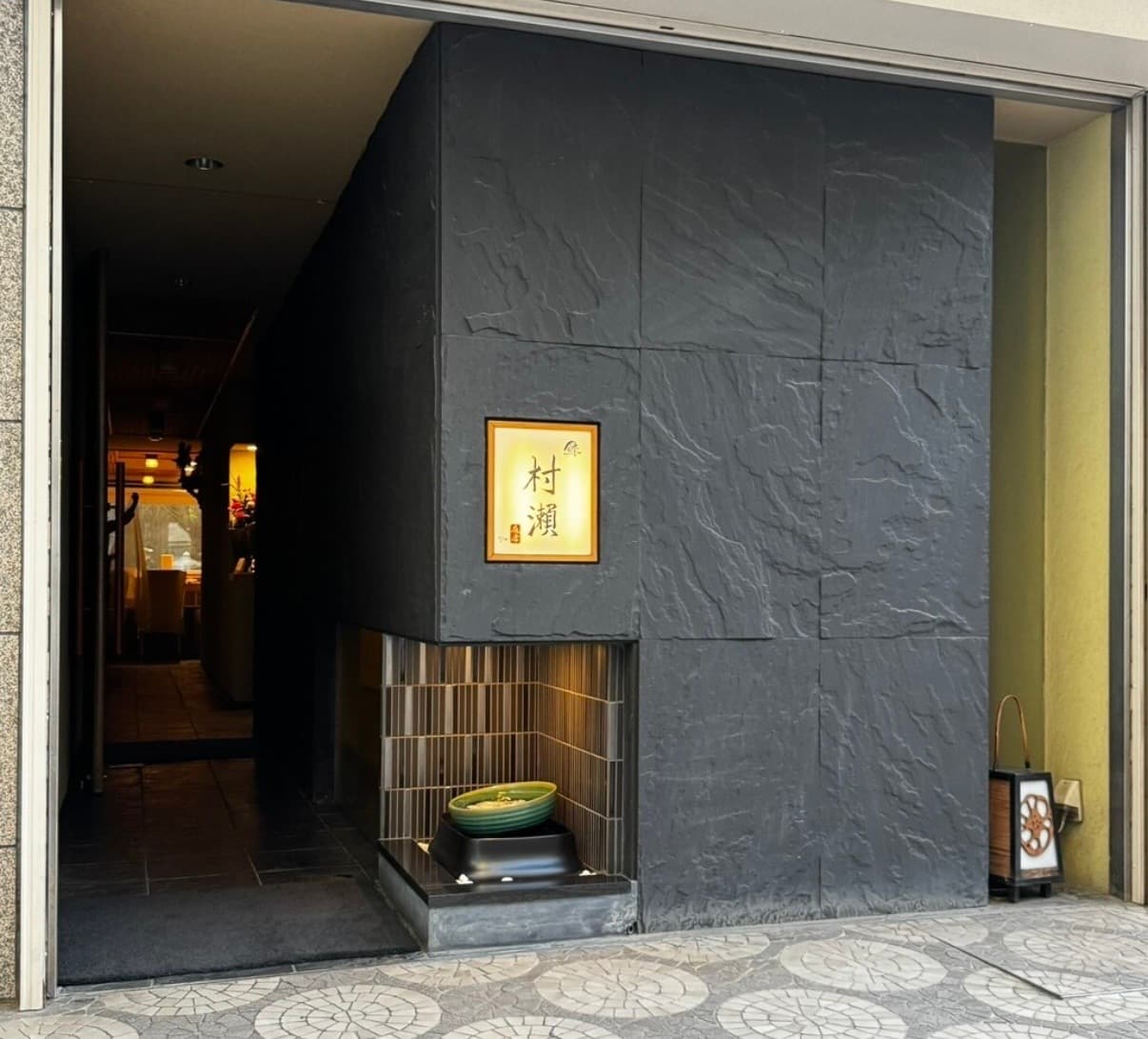
Hatou is where one of Tokyo’s leading kaiseki families went to make sushi. The Ishikawa group — Kagurazaka Ishikawa, Kohaku and Ren, whose flagship Kagurazaka Ishikawa holds Three MICHELIN Stars (MICHELIN Guide Japan 2026) — opened it in February 2020 under Taiji Kumakiri, a Shizuoka‑born chef who had spent eleven years inside those kitchens before going to learn Edomae nigiri at Higashi‑Azabu Amamoto. The result is a counter that reads as kappo (割烹 — chef’s cooking served across the counter) for its first half and as a sushi‑ya for its second, and the guides noticed at once: a Michelin star in its first year (2021), then Tabelog Award bronze in 2025 and silver in 2026. The name means “great waves” — small ripples, the house says, gathering into something larger.
One geographic note, because overseas searches often get it wrong: Hatou is not in Ginza. It has always been in Kagurazaka, and has recently moved within the neighborhood to the NEO Kagurazaka building at Kagurazaka 6-21, a few minutes’ walk from Kagurazaka and Ushigome‑Kagurazaka stations.
The exact system
Reservations run chiefly through Ikyu, with occasional seats on the Japanese OMAKASE platform (¥390 fee per seat).
The book opens on the 1st of each month for dates through the end of the following month — a rolling window of roughly four to eight weeks.
Eight counter seats. Dinner Tuesday to Friday from 17:00; Saturday adds a lunch service from 12:00. Closed Sundays, Mondays and public holidays.
person before drinks, plus 10% service.
Cancellation terms bite early on platform bookings — a small fee from the moment of confirmation, rising to 50% the day before and 100% on the day — so book only dates you will keep. Our guide to Japanese cancellation policies explains how this is normal here.
No children; non‑smoking.
Eight seats, five dinner nights and one Saturday lunch a week is a small arithmetic, and release day settles most of it. But unlike the introduction‑only rooms, every Hatou seat passes through a public platform — the barrier is timing, not membership.
Your realistic odds
- Be awake on the 1st, Japan time. The whole following month opens at once; take a midweek date in your travel window rather than hunting a Saturday.
- Saturday lunch is the quiet door. Fewer people plan sushi at noon; the same eight seats are on offer.
- Watch cancellations. With weeks between booking and dinner, plans change, and released seats reappear on the platforms at random hours, Japan time — Ikyu’s seat alert catches them.
- Check both platforms. OMAKASE and Ikyu do not always mirror each other in real time.
If the 1st doesn’t break your way
The Ishikawa family’s own release schedules — for the flagship houses themselves — are among Tokyo’s most winnable for a prepared visitor, and Kagurazaka’s lanes reward the evening either way. Hatou sits outside our collection, and we do not watch OMAKASE or Ikyu for you: save it in the booking calendar with a free account for release alerts, and let Ikyu’s seat alert catch the cancellations. We do not book from your account, but our desk can phone the house and ask, at ¥12,000 per seat, charged only if we secure the table. The collection holds counters beyond the platforms’ reach — put your dates on the request form; ¥6,000 per seat, no seat, no fee.