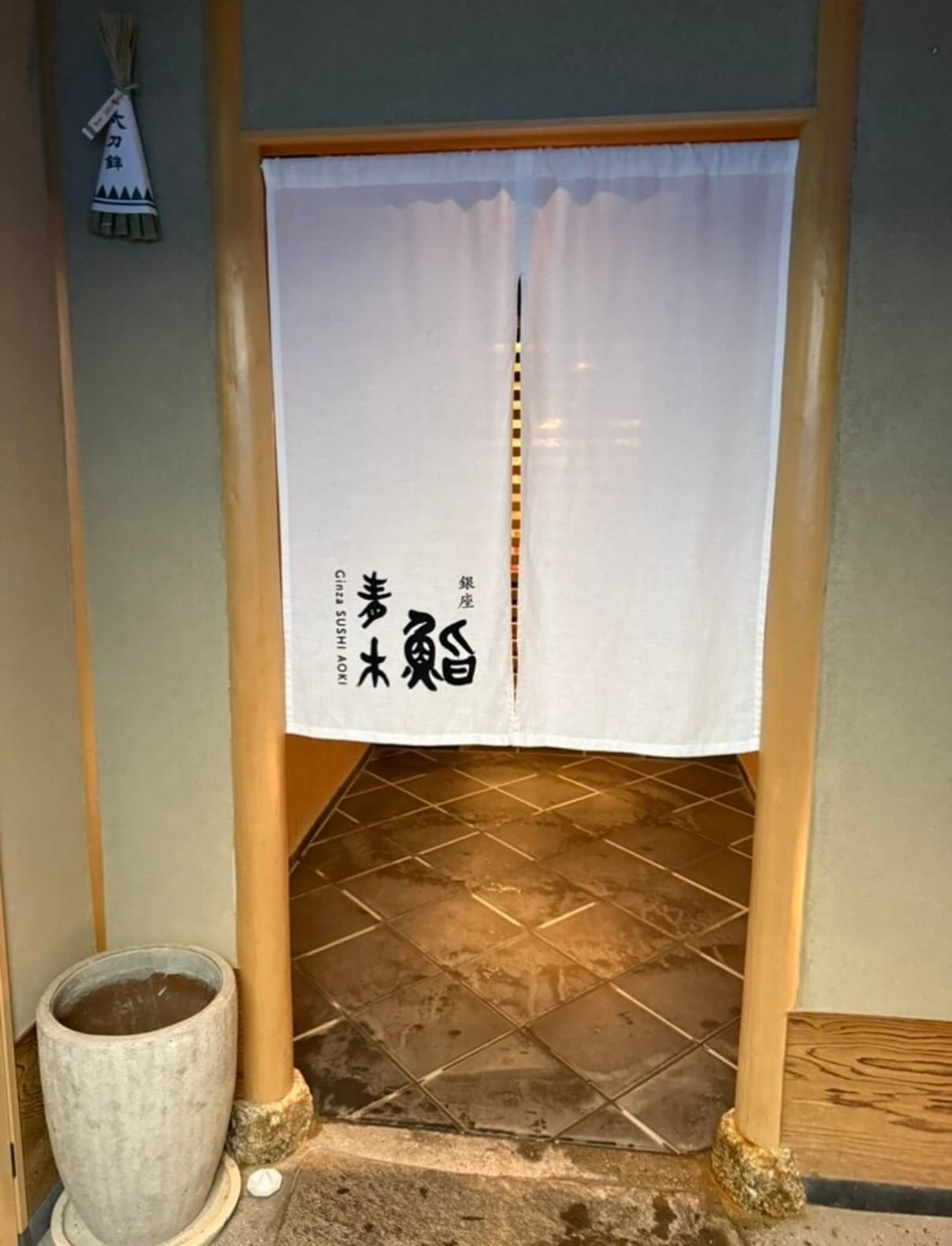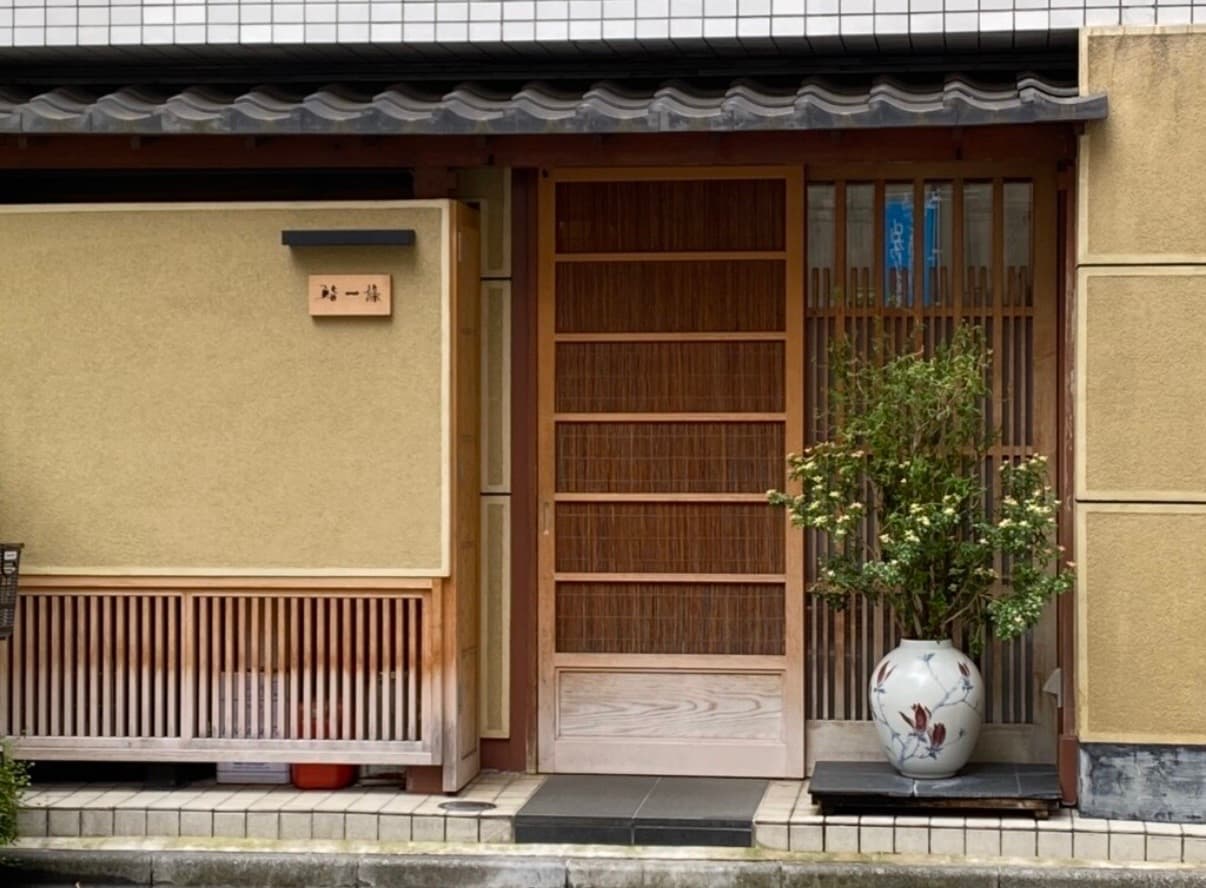
Search for a famous Tokyo restaurant and you’ll find it on OMAKASE, Tabelog, or TableCheck. But the deeper you go into Japan’s food culture, the more often you hit a wall that looks like this:
Reservations: by telephone only. Japanese only. 03-XXXX‑XXXX.
No booking widget. No English page. Often no website at all — just a Tabelog listing the restaurant didn’t create and doesn’t read.
Why the best restaurants stay off the platforms
It isn’t snobbery, mostly. A 9-seat counter run by a chef and one apprentice has no one to manage a booking dashboard or answer emails in English. Platforms charge per‑seat fees and bring no‑show risk from strangers; the phone brings known voices. Many chefs simply trust a conversation — they want to hear who is coming, ask about allergies, and explain that the fish decides the menu.
The practical consequences for an overseas guest:
- Some lines only connect from Japanese numbers. International calls may not even ring through.
- Reservations open on Japanese time, often “first of the month for the following month, from 10:00” — 9 p.m. the previous evening in New York.
- A deposit or a Japanese contact number is sometimes requested to hold the table.
- The conversation is in Japanese, including confirmations, counts, and the no‑show policy readback.
What a monthly release actually looks like
The most famous example makes the mechanics vivid. Torishiki, the yakitori counter in Meguro, opens its line on one reception day each month, from 17:00 to 19:00 JST only, releasing seats two months ahead — three guests maximum per booking. The day is announced on the house’s Instagram; officially it is the first business day, but the book for October 2026 opened on 12 August. That two‑hour window is the entire market: Japanese fans describe redialing hundreds, sometimes thousands, of times, and when the call finally connects the month is often gone. Other houses run gentler versions of the same ritual — “first of the month, from 10:00, for the month after next” is a common pattern, with the receiving day sometimes announced only on the restaurant’s Instagram. Our booking calendar guide maps when the famous books open.
Note what this barrier is and is not. Phone‑only is a reachability problem — distinct from ichigen‑san okotowari, the introduction‑only custom where no stranger’s call succeeds however well‑timed. Many phone‑first houses are genuinely welcoming once reached: Ginza Kyubey, one of the great gateway counters, takes bookings by phone in Japanese from 10:00 — and now also online through Ikyu and an official English‑language booking partner — and is delighted to seat a first‑time visitor whose reservation arrived properly.
The uncomfortable math — and the opportunity
The famous platform‑listed counters are fought over by the whole world. The phone‑only ones are fought over by nobody abroad — their competition is local regulars. On any given week in Tokyo, there are superb starred and near‑starred counters with seats available that are very hard for a guest abroad to reach.
This is the quiet arbitrage of Tokyo dining: the barrier is language and telephony, not fame or money.
How we handle it
Our desk is in Tokyo. We call in Japanese from domestic lines, make the booking under our own name as the restaurant’s point of contact, and send you a confirmation in English with everything you need — address, timing, house rules, and how the counter prefers to handle dietary notes.
Restaurants can accept these bookings with confidence because a Japanese‑speaking contact stands behind each one. You get counters that do not appear in any app. We take these requests for restaurants in our collection; the fee is ¥6,000 per seat, and it is charged only after your approval, when the booking is confirmed — no seat, no fee. That is the entire business, and it only works from this side of the phone line.