Let’s be honest where guidebooks are cheerful: Japan is one of the trickier developed countries for vegetarians — not from unwillingness, but because the cuisine’s foundation, dashi, quietly puts fish into almost everything, including the dishes that look most innocent. The good news: Japan also possesses one of the world’s great plant‑based cuisines, and a modern vegan scene growing fast. Here is the honest playbook, with the named houses, the dishes to check, and the card to carry.
Layer one: eat the masterpiece
Shojin ryori — Buddhist temple cuisine — is not a workaround; it is centuries of plant‑based haute cuisine, perfected in the Zen monasteries from the thirteenth century, when the Soto and Rinzai schools brought the monastic kitchen and its discipline from China. Its rules are stricter than most Western vegetarianism: no meat, no fish, no fish‑based dashi, and classically no gokun, the five pungent roots — garlic, onion, leek, chive and their relatives — which the monasteries held to disturb the mind. What replaces them is a technique cuisine: gomadofu, sesame ground and set with kuzu starch into a “tofu” that contains no soy at all; yuba, the skin lifted from heating soy milk; fu, wheat gluten, dried or fresh; and a dashi drawn from kombu and dried shiitake that carries its own depth of umami. The meal is composed with kaiseki‑level formality — the tea kaiseki grew out of it, not the other way round.
Kyoto is the capital. Two houses in our collection are the natural anchors:
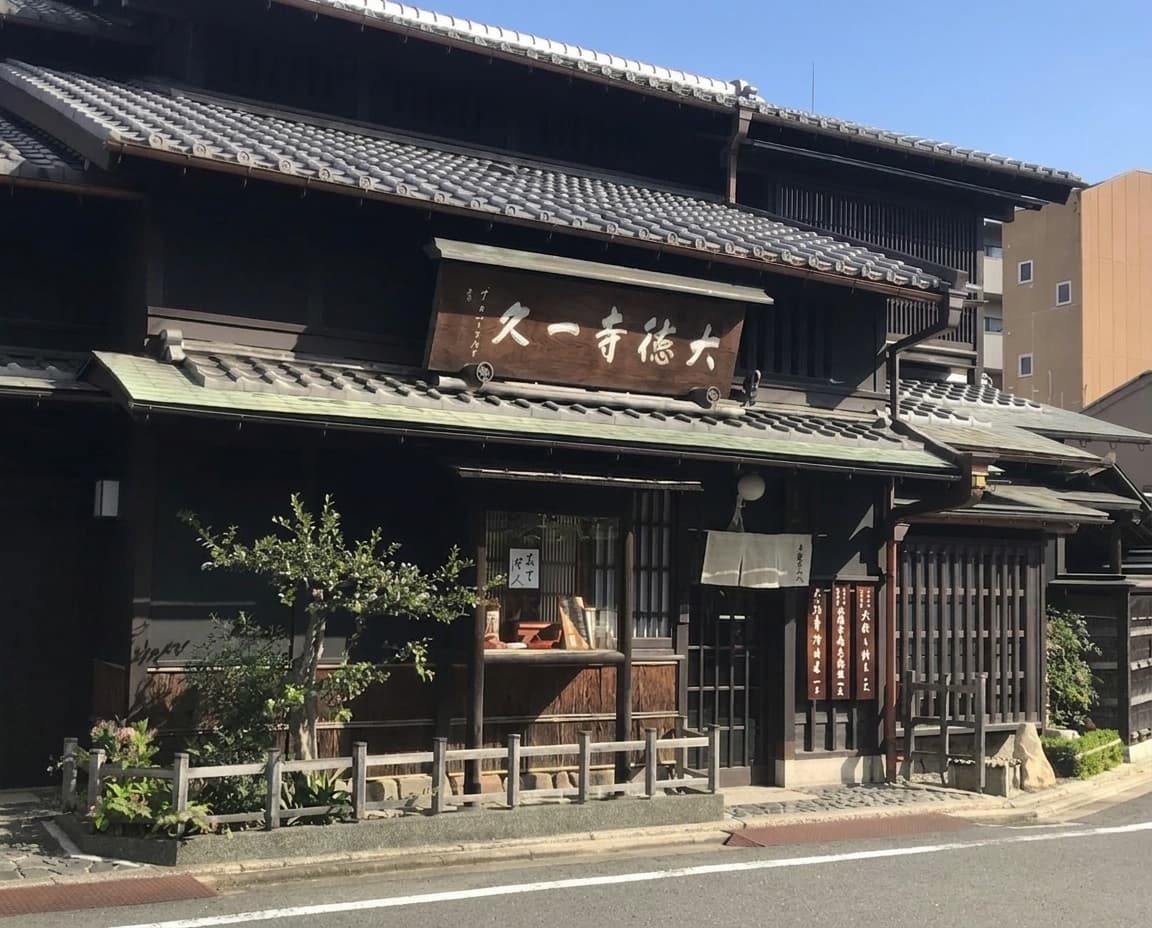
- Daitokuji Ikkyu, at the gate of Daitoku‑ji, has cooked for the monastery since the Bunmei era of the 1470s–80s and serves its shojin as formal honzen on lacquered trays: house‑made Daitokuji‑fu, burdock, seasonal roots, from ¥6,050 for the boxed course to ¥16,940 for the fullest honzen, tax and service included. Nothing is cooked without an order, so a walk‑in gets tea rather than lunch; booking is by phone in Japanese (075‑493‑0019) or by the FAX form on the house site, and closing days follow the temple’s ritual calendar. Vegans should say so when booking, since one classic temple square, gisei‑dofu, is traditionally set with egg.
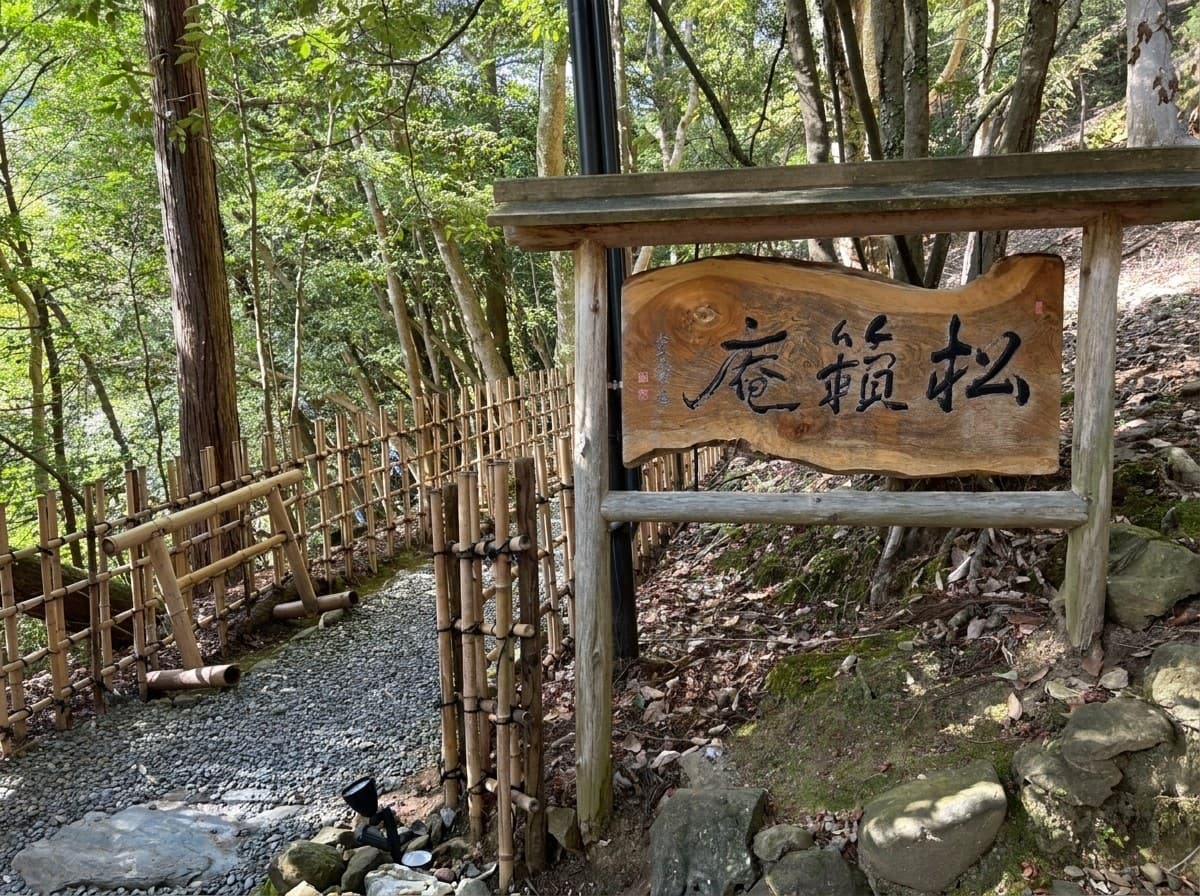
- Shoraian, in a former prime minister’s villa above the Hozu river in Arashiyama, serves tofu kaiseki built on Morika’s Saga tofu — yudofu at the table, agedashi, seasonal vegetables — with fully vegetarian versions of every course, lunch ¥5,500–8,000 and dinner ¥9,000–12,000. Book online through RES (English available) or by phone in Japanese; dinner must be reserved by 17:00 the day before, and the house closes Wednesdays outside Golden Week and November.
Daitokuji Ikkyu is exactly the kind of call our desk makes: a Japanese phone line, a course to settle, and a diet to state clearly in advance. Shoraian you can book yourself online. Build the trip around these meals, not despite them; our Kyoto booking guide covers the wider city.
Where the fish hides
The difficulty is not the visible protein. It is the seasoning layer. Standard dashi is drawn from kombu and katsuobushi, dried bonito; it is the base of miso soup, of the broth under simmered vegetables, of soba and udon tsuyu, of tempura dipping sauce, of the sweet‑savoury glaze on grilled tofu, and of most “vegetable” set meals. A kitchen that hears “vegetarian” will remove the pork and keep the dashi, in good faith, because in Japanese usage dashi is a seasoning rather than an ingredient.
| Dish | Hidden risk | What to ask |
|---|---|---|
| Miso soup | Bonito dashi | Kombu dashi dake desu ka — is the dashi kombu only? |
| Zaru soba, udon | Tsuyu contains bonito; some soba noodles are fine | Tsuyu nashi de — without the sauce; or bring soy sauce |
| Vegetable tempura | Tentsuyu has dashi; shared fryer with prawns | Shio de — with salt instead of sauce |
| Nimono (simmered vegetables) | Cooked in dashi | Dashi wa nani desu ka — what is the dashi? |
| Okonomiyaki | Batter often mixed with dashi; bonito flakes on top | Katsuobushi nashi de; ask about the batter |
| Yakitori‑shop vegetables | Tare sauce may contain chicken stock | Shio de |
| Onigiri | Fillings, plus bonito in some rice mixes | Choose ume or kombu; read the label |
| Tofu dishes, agedashi | Sauce is dashi‑based | Ask for kombu dashi or soy sauce only |
| Curry rice | Roux commonly contains meat extract | Check the label; Indian restaurants are safer |
| Ramen | Soup is pork or chicken unless stated vegan | Only dedicated vegan bowls |
Layer two: the reliable formats
- Dedicated vegan restaurants — Tokyo and Kyoto now have deep benches: vegan ramen (a genuine scene), café lunches, plant‑based omakase.
- Tofu and yuba specialists — confirm kombu‑only dashi and they become destination meals.
- Vegetable tempura — magnificent, with the shared‑fryer caveat for the strict.
- Zaru soba — with the tsuyu swapped or skipped (standard dipping sauce contains fish).
- Konbini and depachika — labeling has improved dramatically; onigiri with ume or kombu are the classic safe grab, and salads and fruit cups need no interpretation.
- Indian restaurants — Japan’s quiet vegetarian safety net, everywhere, and used to the question.
- Temple lodging — a night at a shukubo in Koyasan or a Kyoto temple includes shojin dinner and breakfast as a matter of course.
Layer three: the words that actually work
Identity labels fail; exclusions succeed. The working sentences (full pronunciation kit in our dietary phrases guide):
- Niku to sakana wa taberaremasen — I cannot eat meat or fish.
- Dashi mo dame desu — dashi is also not possible. This is the sentence that changes what arrives.
- Vegans add: tamago to nyuuseihin mo — egg and dairy too.
- Katsuobushi mo dame desu — bonito flakes too; the garnish is added at the last second and easily forgotten.
Carry it written. A card to copy:
私はベジタリアンです。肉・魚介・卵・乳製品は食べられません。鰹節や煮干しなど魚の出汁も食べられません。昆布と椎茸の出汁は大丈夫です。 > > Watashi wa bejitarian desu. Niku, gyokai, tamago, nyuuseihin wa taberaremasen. Katsuobushi ya niboshi nado sakana no dashi mo taberaremasen. Kombu to shiitake no dashi wa daijoubu desu. > > I am vegetarian. I cannot eat meat, seafood, egg or dairy. I also cannot eat fish dashi such as bonito or dried sardine. Kombu and shiitake dashi are fine.
Our free Japanese dining card writes these lines out for you, including the one about fish stock, ready to show. For how Japan labels allergens, and guides to halal, gluten‑free, shellfish and pregnancy, see our food allergy guide.
Delete the lines that do not apply. A shown card beats every conversation, and the last sentence matters as much as the exclusions: it tells the kitchen what it can use.
The strategic truth
Japan rewards the planned plant‑based traveler and punishes the improviser. Book the shojin and tofu houses ahead; give any flexible kitchen days of notice, not minutes (why notice matters) — a kappo or kaiseki counter builds its course around the ingredients it has bought, and a diet declared at the door can only be subtracted from, not cooked for. Default to the reliable formats between. Done this way, a vegetarian trip here is not survival — it is one of the world’s great plant‑based food journeys, and matching diet to kitchen is precisely what our desk does.