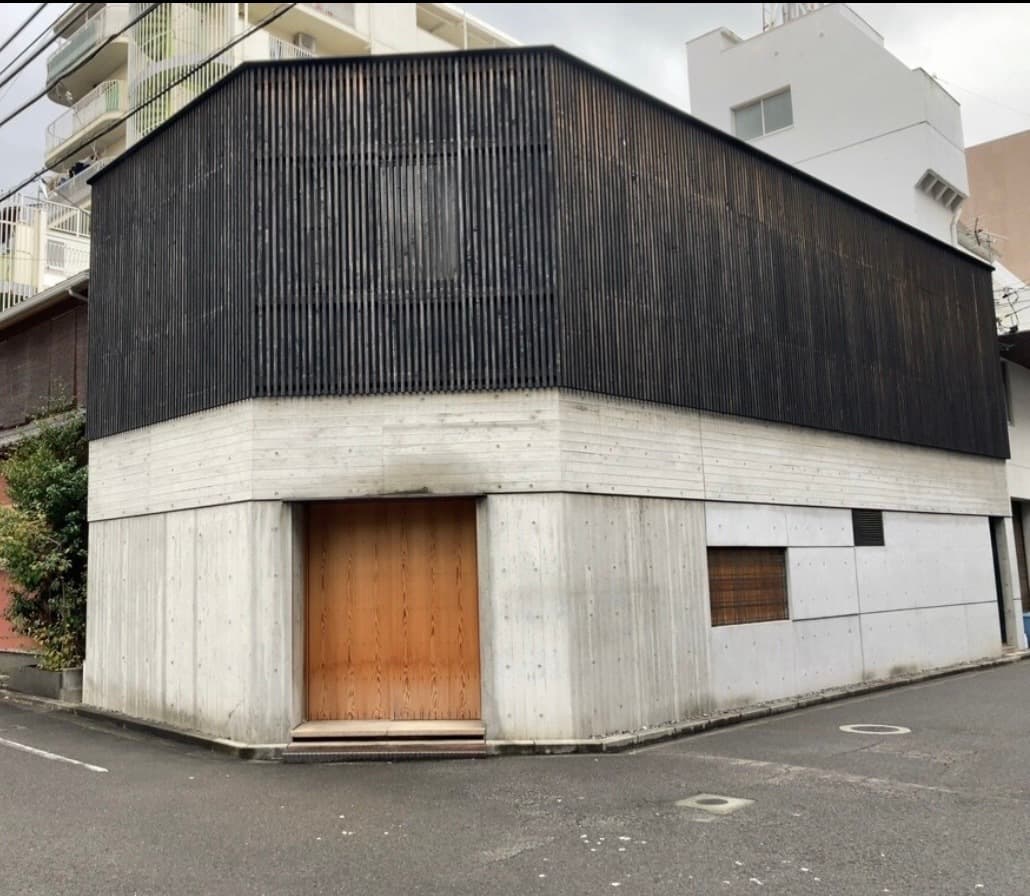
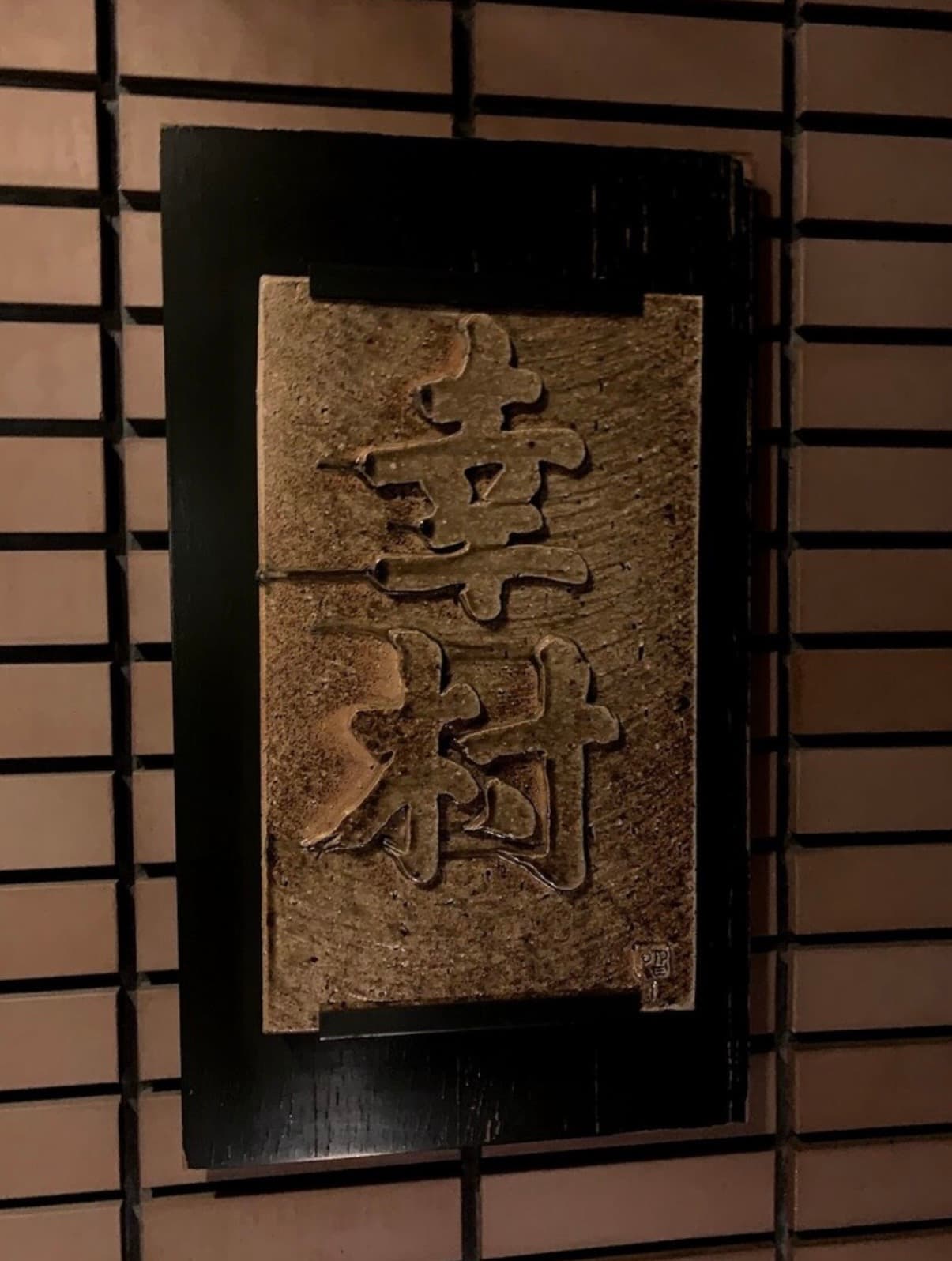
Ask sushi people to name the best counter in Tokyo and the conversation stalls on one name almost immediately: Sushi Saito. Yet the more interesting story is the school around the man — where Takashi Saito came from, and where his lineage now serves. Genealogy is the deepest way to read sushi in Japan; for the full map, see our Edomae family tree.
The making of Saito
Saito's path runs through two of Tokyo's great teaching houses:
- Ginza Kyubey — where he started, in the busiest classical brigade in Ginza.
- Sushi Kanesaka — where he became Shinji Kanesaka's outstanding student, eventually heading the Akasaka branch of the house. The whole Kanesaka lineage is itself one of modern sushi's great stories.
- 2007 — the Akasaka counter becomes independent as Sushi Saito.
What emerged was a style diners describe in the same words decade after decade: rice, above everything — luminous, loosely built, at body temperature — and a total absence of theater.
Three stars, then none — and why that's the point
Sushi Saito took three Michelin stars in 2010 and held them for a decade. In 2020 the guide removed it — not a demotion but an admission: the counter had become effectively closed to unintroduced guests, and Michelin lists only restaurants the public can book. It is the defining example of the introduction-only turn at Japan's summit, and of why a missing star can mean a stronger counter. Domestically, Tabelog's voters have kept it at the very top of their honors throughout.
We are honest about access: for a first-time visitor, the Tokyo counter is a matter of being invited — the realities are in our Sushi Saito booking guide.
Where the lineage serves now
The school travels through people:
- Sushi Saito Hong Kong — opened 2018 in the Four Seasons, first under Ikuya Kobayashi, for years Saito's second in Tokyo; now led by Saito-trained Masashi Kubota and Kenichi Fujimoto. Sourcing follows the Tokyo house's own supply lines, and for diners in Hong Kong, Taiwan and Singapore it is the practical door into the style.
- The independents. Saito, like his own teacher, pushes senior disciples toward counters of their own — the quiet mechanism by which a style becomes a school, generation after generation.
Reading the lineage as a traveler
The lesson of the Saito tree is the lesson of Edomae itself: chase schools, not just names. When the famous counter is closed to you, its teacher's house, its branch, or its graduate is often within reach — and frequently the better meal for a first visit. Mapping those doors is precisely what our desk does; tell us the style you're chasing and we will find the counter that will actually seat you.