Pocket Concierge is the platform most likely to be recommended to you by a credit‑card lounge, and for a reason: since 2019 it has been owned by American Express, and it was built from the start as a prepaid, English‑capable door into Japanese restaurants. It is neither a concierge in the human sense nor a marketplace of open seats. It is a request‑and‑pay system, and its usefulness depends entirely on which restaurant you are trying to reach.
What it is, and who runs it
The operator is Pocket Concierge Inc., Toranomon, Tokyo; the parent is American Express International Inc. (from the company’s legal notice, September 2026). The site runs in Japanese and English. The help center describes the service as connecting users with “some of Japan’s most sought after tables”, with two features overseas diners care about: no billing on site after the meal, and a waitlist that notifies you when a seat opens.
How a booking works
- Search by area, date and party size; open a restaurant and pick a course. Prices are shown with service charge and consumption tax included.
- Submit a request. The restaurant confirms or declines.
- On confirmation you pay online — the company calls this Smart Payment — by credit card. Some restaurants instead take a card guarantee; the booking screen tells you which.
- Dine, order any extras, pay only those at the table.
Features on the platform’s own front page as of September 2026 include Hyotei, Ginza Kojyu, Harutaka, Azabu Kadowaki, NARISAWA, HAJIME, Nihonryori RyuGin, Florilège and Kanda. Being featured is not the same as being available: at that tier the calendar is usually grey and the waitlist is the realistic entry.
What it costs
Pocket Concierge’s user terms (last amended September 2025, as displayed in September 2026) allow the company to charge a Usage Fee “separately determined by the Company”, and state that usage fees paid “will not be refunded for any reason”. No fixed amount is published on the public pages we could access, so we will not quote one; the figure, if any, is on the booking screen for each restaurant and course. Payment is by credit card only. Course prices are prepaid in yen; exchange losses on any refund are, by the terms, the user’s responsibility.
Cancellation
Cancellation follows the restaurant’s policy where one is set. Where it is not, the terms’ default schedule applies:
| Cancellation timing | Fee |
|---|---|
| 3 business days before | 50% of the total reservation amount |
| 2 business days before | 50% |
| 1 business day before | 100% |
| On the day, late arrival, or no‑show | 100% |
“Business day” follows the restaurant’s calendar, so a Sunday‑closed house counts differently from a seven‑day one. Cancellations can only be made before the reservation, not after. This is stricter than most Western platforms and entirely normal for Japan — see Japan’s cancellation culture.
Which houses in our calendar use it
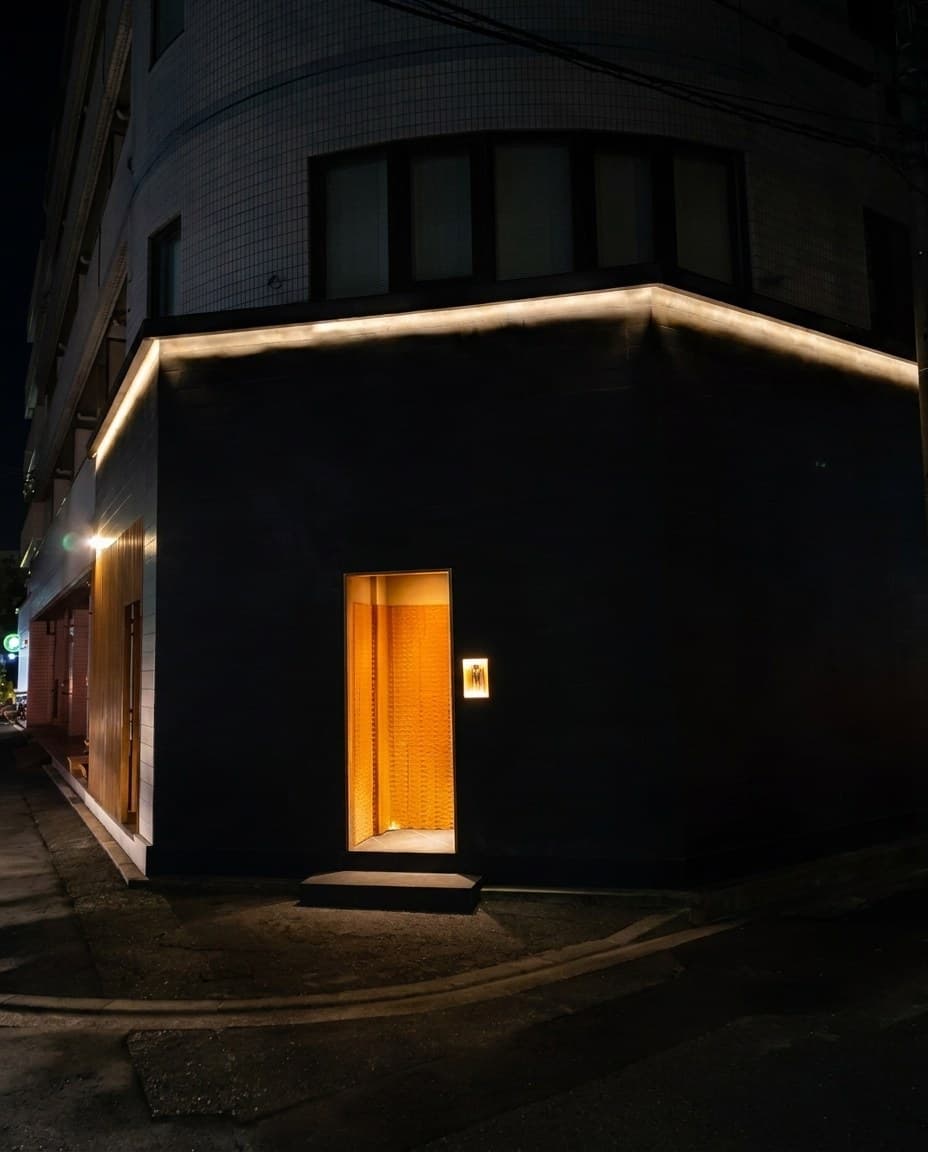
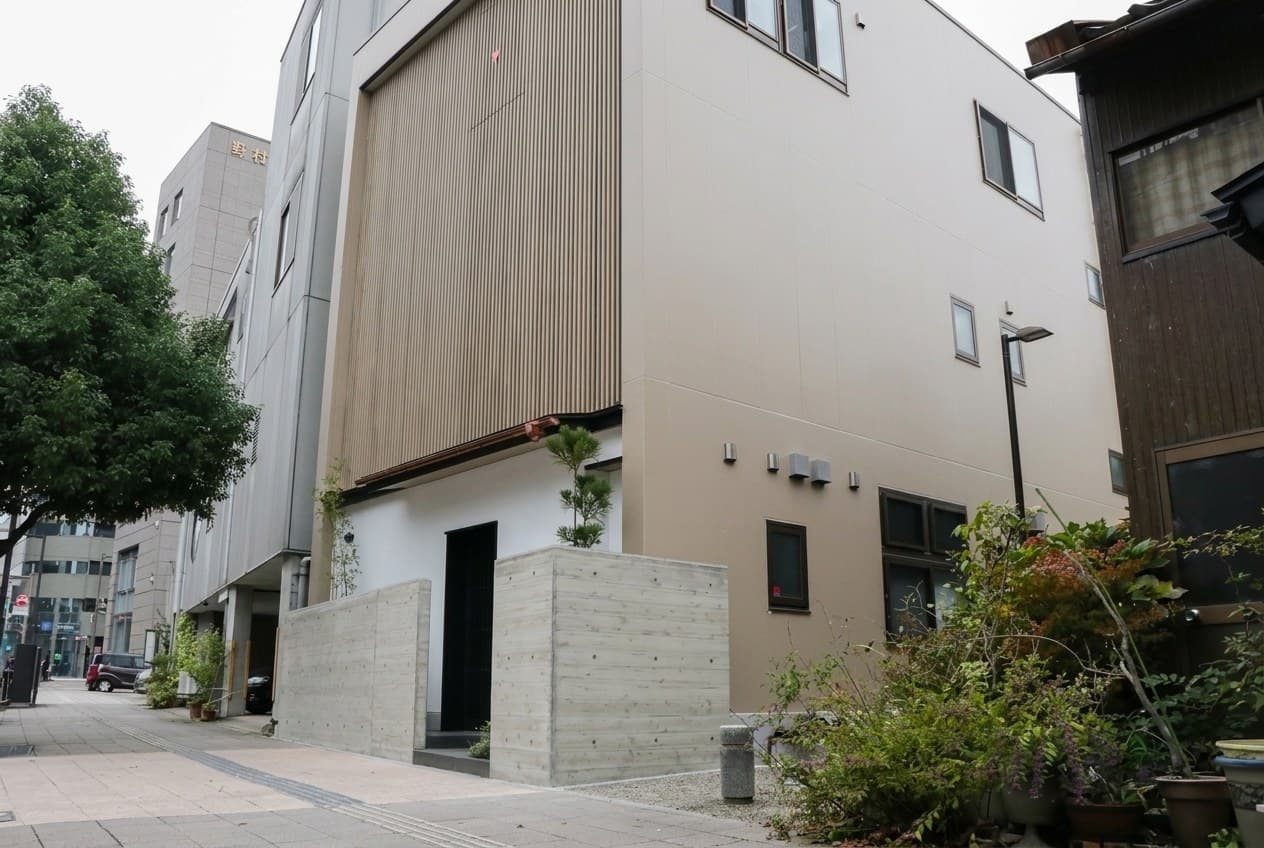
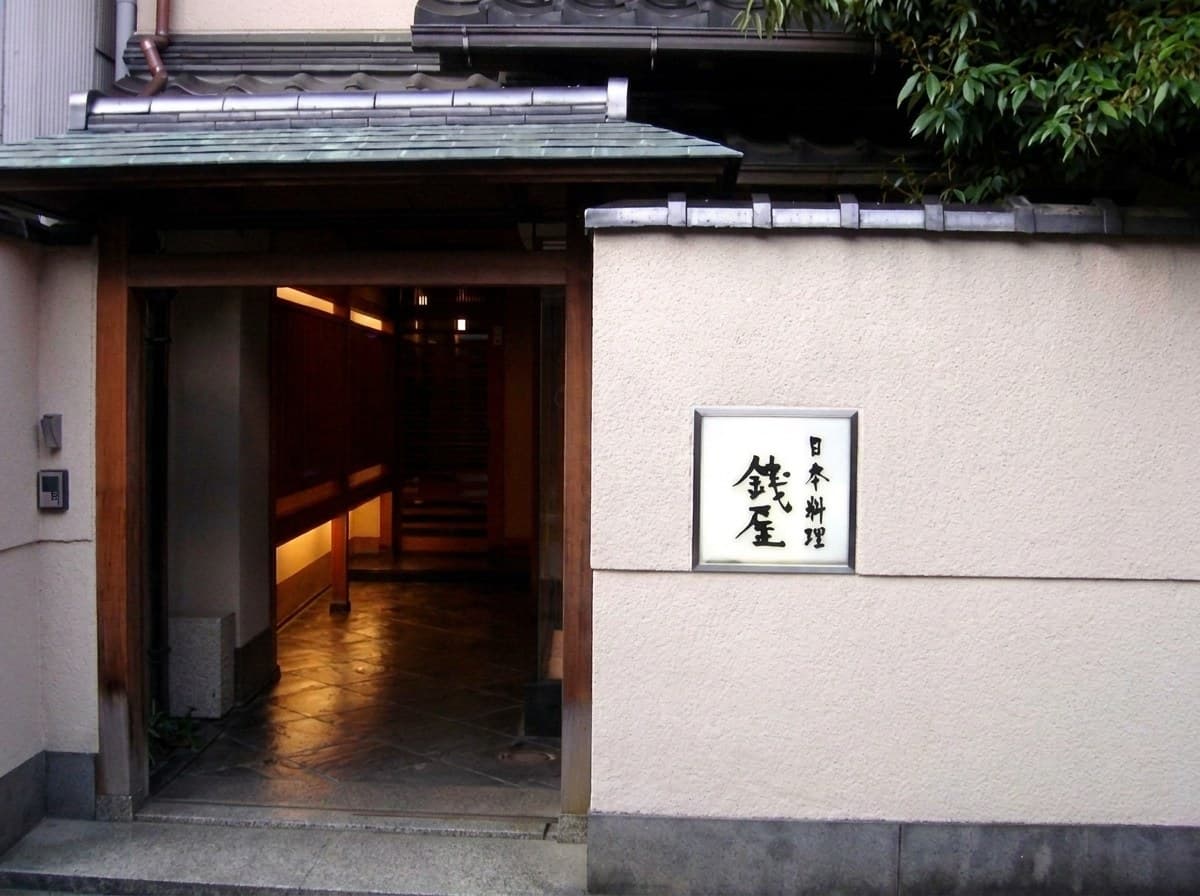
As of September 2026 our release calendar lists Pocket Concierge as a booking route for 88 houses. In Tokyo they include Araki, Sushi Nishizaki, Ichikawa and Sazenka; in our own collection, Kisetsu Ryōri Nakashima in Hiroshima (as a waiting list), Setsuri and Zeniya in Kanazawa, Kurumasushi in Matsuyama, Sushi Tanabe in Sapporo and, in the north, Osteria Enoteca da Sasino in Hirosaki. It is a smaller footprint than OMAKASE (141 houses) or TableCheck (124) in the same calendar, but it carries several houses the other two do not.
A note on the waitlist
At the famous houses the waitlist is the real product. You register interest for a date; if a prepaid booking is cancelled — and the platform’s cancellation terms make that expensive, so it is rare — the seat is offered by notification and goes to whoever pays first. It rewards travelers with flexible evenings and a phone that is always on, and it is honest about the odds in a way a “request sent” screen is not. Treat it as a bonus, never as a plan.
Pros and cons for overseas diners
Pros
- English interface, no Japanese phone number, card payment in advance.
- Prepaid pricing removes the two commonest anxieties — the bill and the language of the bill. See how the bill works.
- Waitlist alerts for houses that are otherwise silent.
- American Express cardholders may find dining credits or benefits routed through it; check your card’s terms, not ours.
Cons
- Request, not instant: a “request sent” is not a seat, and the top houses decline more than they accept.
- The usage fee is not published up front; you learn it at checkout.
- Default cancellation terms are severe, and refunds in a foreign currency may come back smaller.
- Coverage is thin for phone‑only counters, which is where most of the difficulty in Japan sits — see phone‑only restaurants in Tokyo.
Where we fit
If a house you want is listed and shows availability, Pocket Concierge is a perfectly good way to book it, and we will tell you so. Our desk is for the houses in our collection that never joined a platform. We call them in Japanese from Tokyo and charge a booking fee of ¥6,000 per seat — charged only if we secure the table and after you approve it, non‑refundable after that, with the restaurant’s cancellation terms passed through at cost. No seat, no fee. Houses outside the collection we can request too, at ¥12,000 per seat on the same terms, except the few that do not accept requests through us. We do not book introduction‑only houses, and we do not book transport or lodging. Tell us your dates or read how it works; for the wider landscape, see how to use a restaurant concierge in Japan.
To see TableCheck, OMAKASE, Ikyu, Tableall and Pocket Concierge side by side, read Japan restaurant booking sites compared.