Kikuzushi's former second-in-command, raised in Kanazawa's kaiseki world, now serving eight seats in his grandfather's renovated house in southern Fukuoka.
By SHOKU NOREN TeamFacts last verified September 2026How we check
In shortSushi — kaiseki-grade tsumami and Hakata-mae nigiri, from a Kanazawa-trained hand. Reservations run in Japanese and are hard to place from abroad, so our Tokyo desk requests the table for you, by phone and in Japanese.
Price
The same at lunch and dinner.
Hours
Dinner 18:00–22:00 (Mon·Tue·Thu) · Lunch 12:00–15:00 and dinner 18:00–22:00 (Wed·Fri·Sat)
Closed
Sundays · occasional irregular closures
Seats
Eight at a hinoki counter — all guests seated at once
Private rooms
None — the eight-seat counter is the whole house
Payment
Major cards accepted · no e-money or QR
Getting there
About 15 minutes on foot from Nishitetsu Takamiya, in a quiet residential quarter · dedicated parking
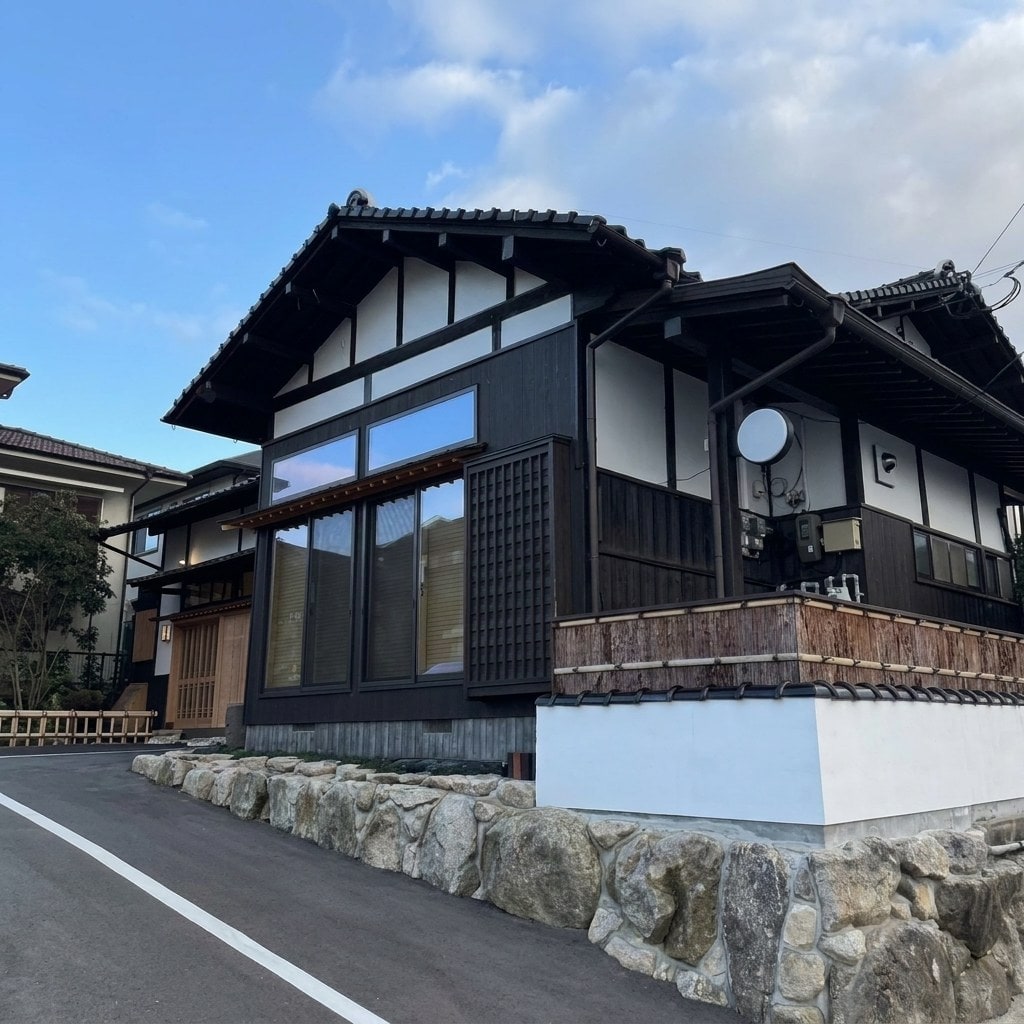
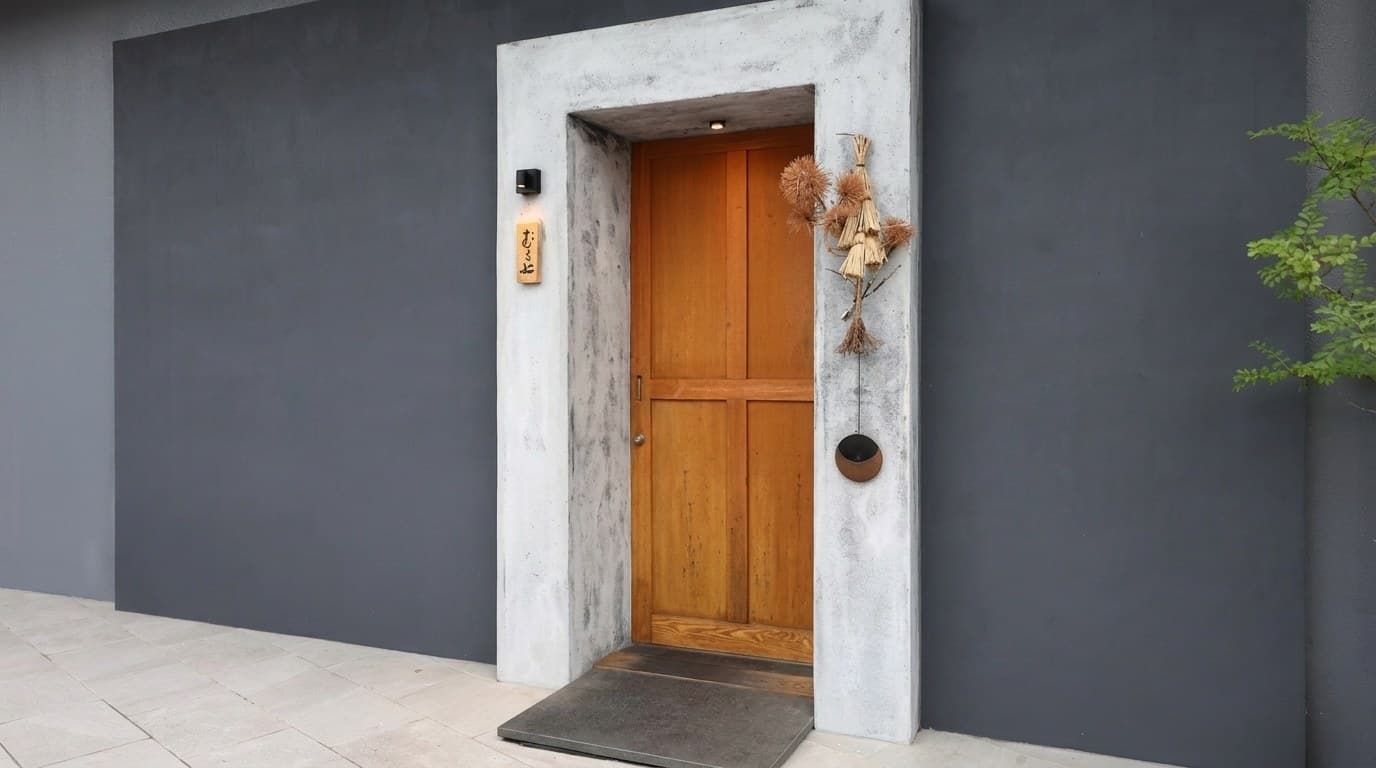
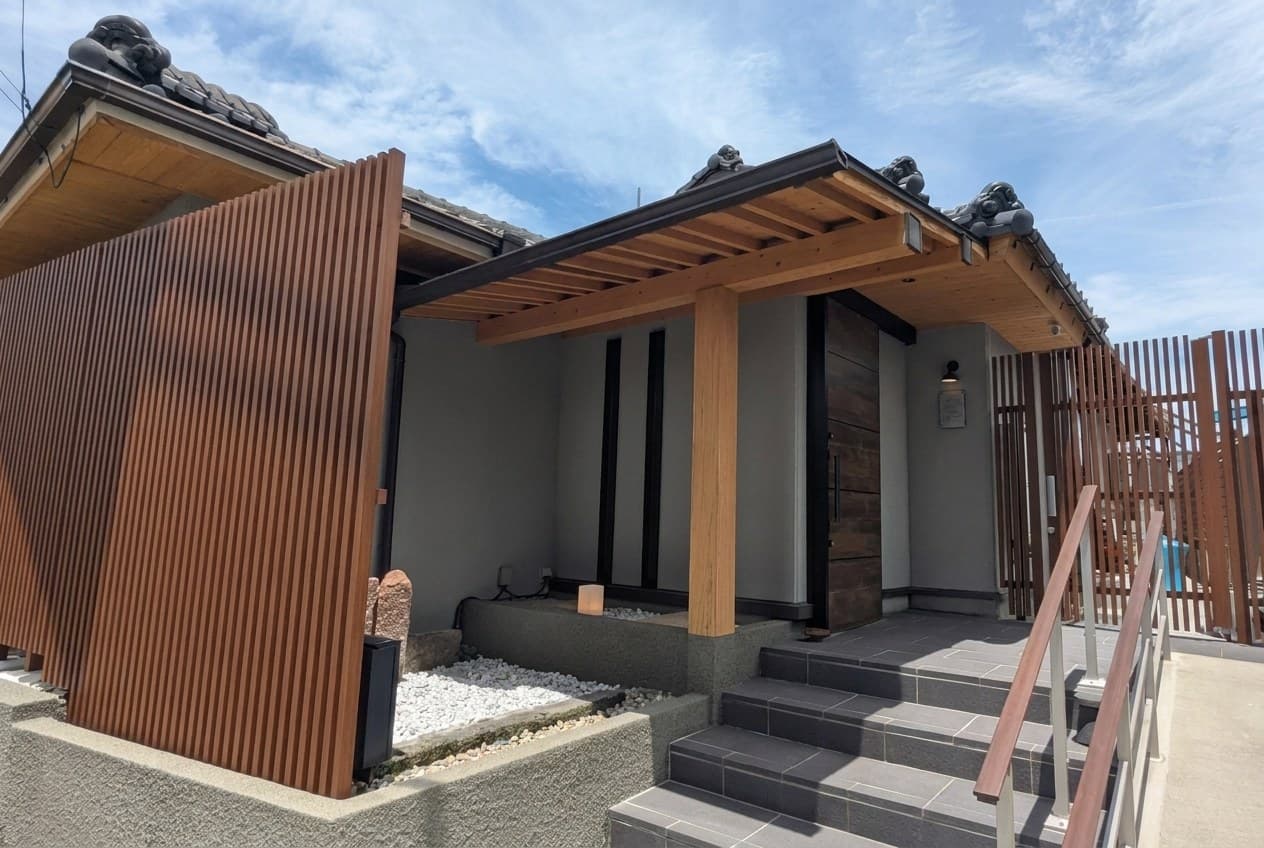
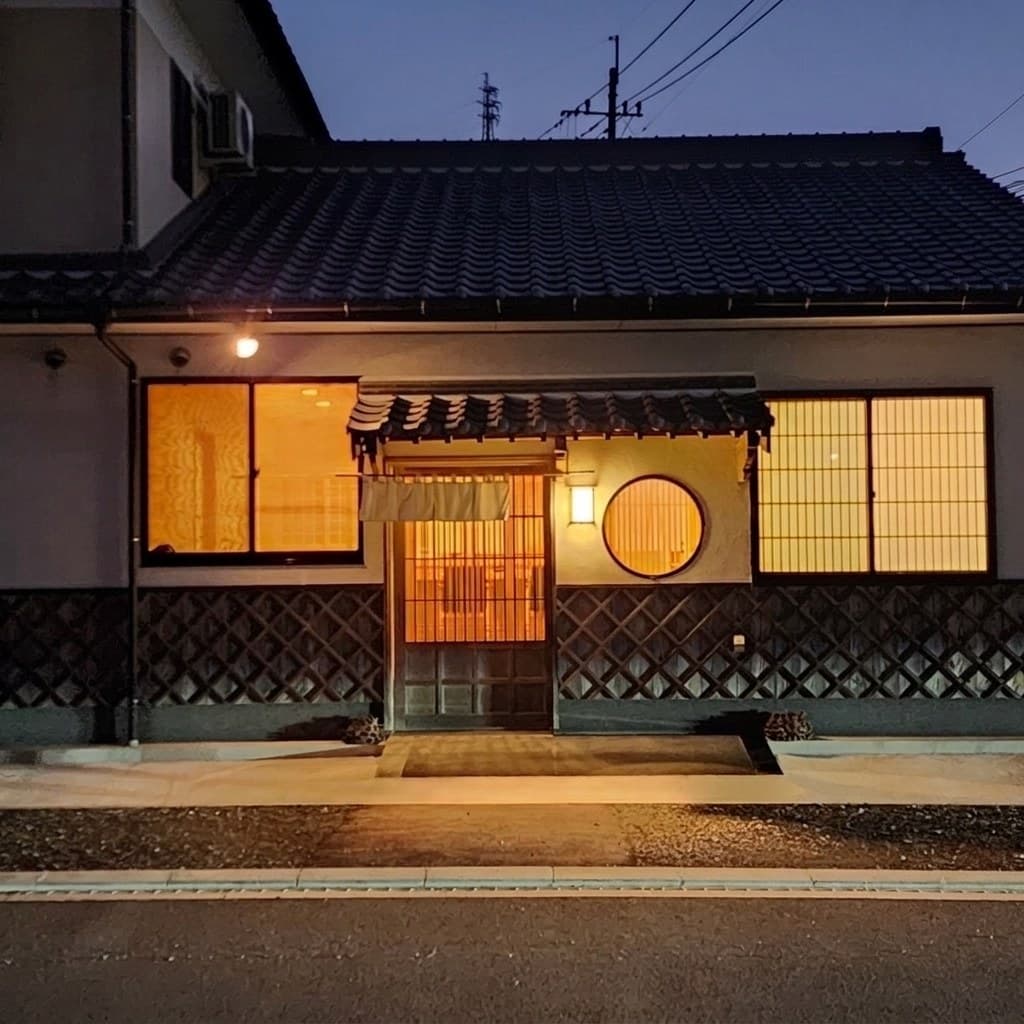
Funakoshi opened in November 2024 in Noma, a residential quarter in the south of Fukuoka city, in a house that had been the chef’s grandfather’s for more than seventy years. Hisao Funakoshi, then thirty‑three, renovated it; his father, an architect, drew the interior. The address explains nothing — the résumé does. Six years in Kanazawa’s kaiseki world — kaiseki being Japan’s formal multi‑course cuisine — where his training is widely reported to include Kataori, that city’s hardest table. Then seven years at Kikuzushi in Kasuga, which is one of the island’s hardest reservations, where he rose to second‑in‑command.
What you eat
The course opens with warm Yame black tea, a nod to the tea country south of the city, then moves through seven or eight tsumami — small composed dishes before the sushi — of kaiseki grade: abalone with egg‑tofu in a clear soup, kue (longtooth grouper) cured with yuzu citrus. Then a dozen nigiri in the Hakata‑mae manner — local fish given one deliberate finishing touch — and tamago, the sweet egg course. He deliberately did not copy his master. The rice is a larger grain; the shari (the seasoned sushi rice) leans on mild rice vinegar where Kikuzushi’s is red; the fish comes through his own suppliers — hirame (flounder), madai (sea bream), sawara (Spanish mackerel), shako (mantis shrimp) from Gotō and Amakusa waters, in season, with no year‑round frozen tuna to fall back on.
The booking reality
Phone only, in Japanese — no booking site, and no published rule for when the book opens, so there is no release day to camp; you simply call, and the earlier the better. The door is genuinely open: no introduction required, bookable from a single seat, eight guests per service, all seated together. Tabelog reached 4.08 within two years of opening (as of September 2026). The only barrier left is the language of the phone line, which is the one thing our desk removes. We cannot promise the seat.
Could not get a seat at Kikuzushi and want the same school of rice through an open door — or you like catching a serious counter in the two or three years before the wider world does. It is a fifteen‑minute walk into a neighborhood, and that is the point.
Free release-date alerts: the day before, on the morning of release day (08:00 JST) and about 30 minutes before when the time is known — or a weekly summary if the house opens a little every day.
Funakoshi: common questions
Can you book Funakoshi from abroad?
Yes, through our Tokyo desk. Phone only, in Japanese — no booking site, no lists. No introduction required, bookable from a single guest. Our desk can make the call; the seat is never certain. We call the restaurant for you, in Japanese, and the ¥6,000-per-seat fee is charged only if we confirm your table — no seat, no fee.
Some of these links are referral links: if you book through them we may earn a small commission, at no extra cost to you. Restaurants never pay us to be listed or ranked. Editorial policy
Cite this page
Facts on this page were checked by our Tokyo desk. You are welcome to quote them with a link: