The short answer
In 2026, Japan's midsummer day of the ox — Doyo no Ushi no Hi — falls on Sunday, 26 July. On that day, and across the surrounding weeks, the country eats grilled freshwater eel, unagi, believed to fortify the body against the summer heat. There is only one ox day in this year's summer window; some years bring a second date, but 2026 does not. If you want to eat eel at a serious house during this stretch, the practical advice is simple — book well ahead, because the best rooms fill before the day arrives.
What Doyo no Ushi no Hi actually is
The name rewards a moment of unpacking. Doyo refers to the roughly eighteen-day transitional period before each change of season in the old lunar-solar calendar — there is a doyo before spring, summer, autumn and winter. Ushi no hi, the day of the ox, comes from the twelve-day zodiac cycle once used to count days. When an ox day lands inside the summer doyo, you get Doyo no Ushi no Hi: the hottest, most enervating point of the year, when eating well matters most.
In 2026 the summer doyo runs from 20 July to 6 August, and a single ox day sits within it, on 26 July. Because the ox recurs every twelve days and the window is about eighteen days long, some years catch two — an ichi no ushi and a ni no ushi. This year there is just the one, which tends to concentrate demand rather than spread it.
The idea that eel belongs to high summer is old. The eighth-century poetry anthology Man'yoshu already records a verse by Otomo no Yakamochi recommending eel to a friend as a guard against summer wasting. Eel is genuinely nutrient-dense — high in fat, protein and vitamin A — so the instinct was sound long before anyone framed it as a holiday.
The marketing legend behind the eel
The specific link between eel and the ox day is usually told as a commercial story. In the Edo period, so the account goes, an eel seller struggling through the slow summer months asked the scholar and inventor Hiraga Gennai for advice. Gennai suggested a sign reading, in effect, today is the day of the ox — playing on a folk belief that foods beginning with the sound u helped one endure the heat. Unagi begins with u, as do umeboshi, uri and udon. The shop prospered, rivals copied it, and the custom stuck.
It is a good story, told everywhere. It is worth saying plainly, though, that Japanese sources treat it as one theory among several rather than settled history — no contemporary document ties Gennai to the slogan. What is not in doubt is the result: a national eel day that has outlived its own origin by two and a half centuries.
Kabayaki, shirayaki, and the Kanto–Kansai divide
Order eel at a specialist and the first fork in the road is kabayaki versus shirayaki. Kabayaki is the familiar lacquered version — the fillet grilled and repeatedly glazed with a sweet, dark tare of soy and mirin until it turns glossy and deeply savoury. Shirayaki is the same fillet grilled plain, no sauce at all, taken with a little salt, wasabi or soy so the eel's own fat and flavour carry the plate. A good house does both, and the shirayaki is often where you judge the fish itself.
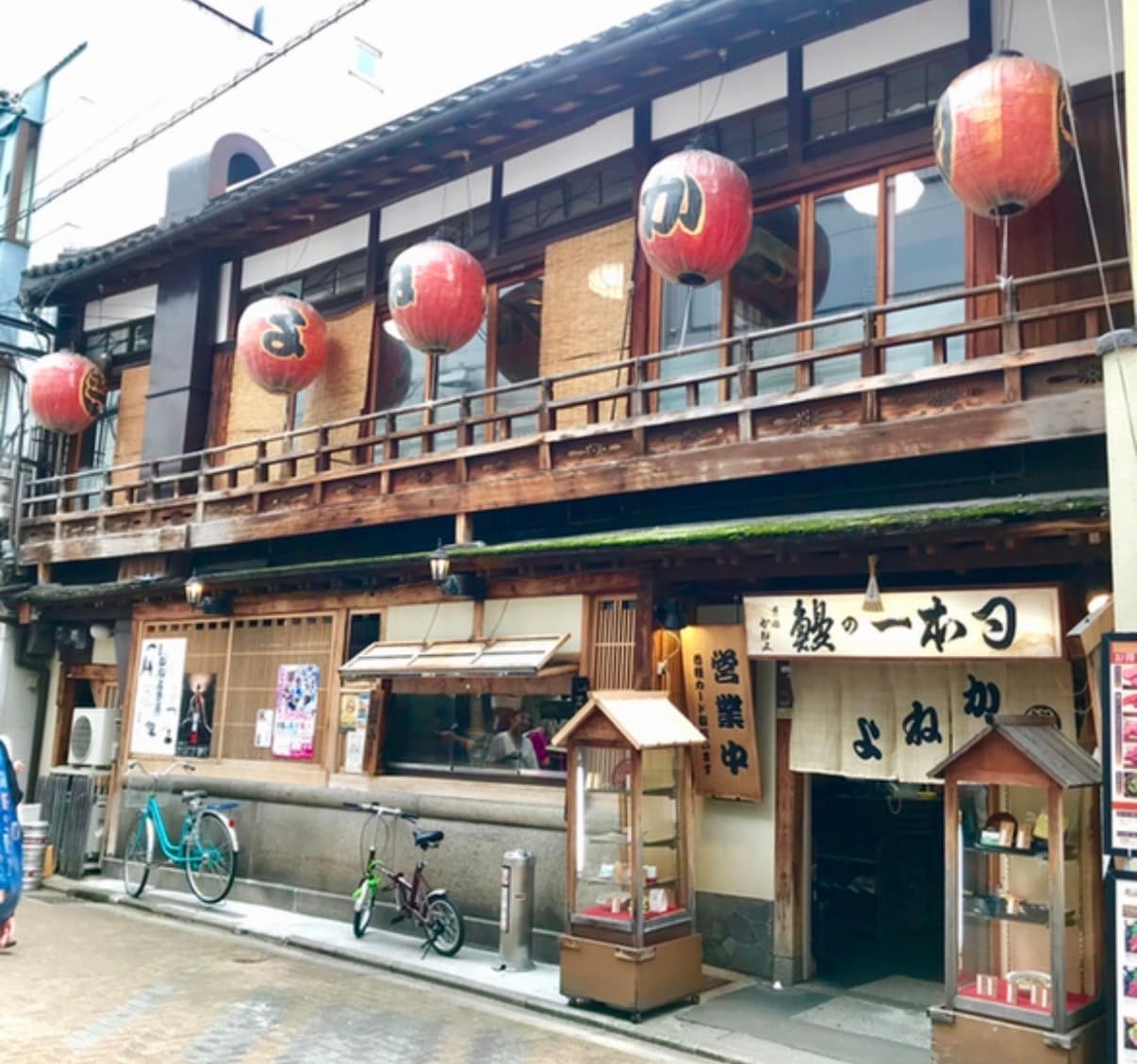
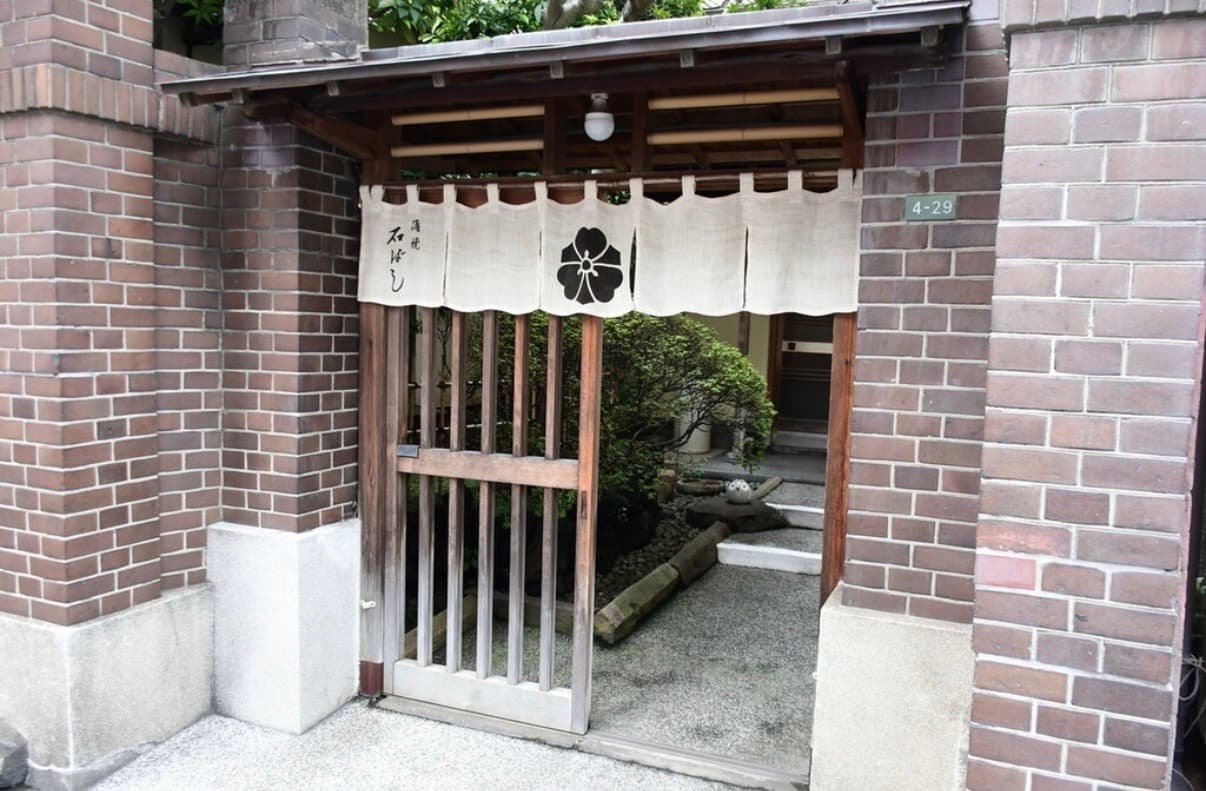
Method also splits along regional lines. In the Kanto style around Tokyo, the eel is butterflied along the back, steamed and then grilled, which renders out fat and yields a soft, almost custard-like interior. In the Kansai style around Osaka and Kyoto, the eel is split along the belly and grilled straight through without steaming, giving a firmer bite and crisper skin. The Tokyo house Ishibashi, an Edogawabashi eel specialist working since 1910 and a fixture of Michelin's Tokyo listings — it held a star for over a decade through 2023 — is a benchmark for the steamed, tender Kanto approach. In Kyoto, Kaneyo has served eel across seven generations since the Meiji era and is known for its kinshi-don, unagi laid over rice beneath an outsized, blanket-like sweet omelette — a distinctly Kansai way of framing the fish.
One quiet detail sits behind the back-versus-belly split. In old Edo, a samurai town, cutting along the belly carried the unwelcome echo of seppuku, so the back cut prevailed; merchant Osaka had no such reservation. The knife cuts you taste today are, in part, etiquette from three hundred years ago.
Unagi is not anago
A frequent point of confusion, worth settling before you sit down. Unagi is freshwater eel — rich, fatty, the one that carries kabayaki and belongs to the day of the ox. Anago is saltwater conger eel, lighter and more delicate, and what you usually meet as a soft slip of eel atop sushi or in tempura. Both are eel; they are not interchangeable. When Japan talks about eating eel in high summer, it means unagi.
Regional bowls, from unaju to hitsumabushi
The eel bowl has dialects too. The Tokyo standard is unaju — kabayaki over rice in a lacquered box, sometimes layered two or three deep. Nagoya's contribution is hitsumabushi, and its home is Atsuta Horaiken, founded in 1873, which holds the trademark and is generally credited with the dish. Here the grilled eel is sliced small over rice in a wooden tub and eaten in stages: plain first, then with condiments such as wasabi and shredded nori, then flooded with dashi or tea as a kind of ochazuke, and finally whichever way you liked best. It is a single bowl designed to be eaten three different ways — a small argument that eel rewards attention.
Why the great eel houses book out
Serious unagi is slow food. Live eel is filleted, skewered, steamed where the style calls for it, and grilled to order, so seatings are limited by the pace of the charcoal, not the size of the room. The trade even has a saying about the apprenticeship — three years to learn skewering, eight to learn the knife, a lifetime at the grill. Add the one-day-a-year surge of the ox day and the mathematics turn against the walk-in.
There is a further wrinkle in 2026. Ishibashi keeps a regular Sunday and holiday closure, and this year's ox day falls on a Sunday — 26 July — so the shop itself will be dark on the very day the rest of Tokyo queues for eel. It is a useful reminder that eel season is a window, not a single date. You do not need to eat on the ox day to eat well; you need only to be inside the doyo weeks and to have planned.
If you would like eel at one of these houses during the summer season, the sensible move is to arrange it before the day rather than on it. Our reservation desk can secure a table at the eel specialists above and advise on the style — Kanto or Kansai, unaju or hitsumabushi — that best suits your visit.