In short"Karatsu-mae" sushi — Edo technique, Genkai Sea fish. Reservations run in Japanese and are hard to place from abroad, so our Tokyo desk requests the table for you, by phone and in Japanese.
Price
Lunch from ~¥7,700 · Dinner ~¥20,000–30,000 with sake
Cards accepted (no e-money or QR codes) · no service charge
Getting there
Karatsu Stn, 5 min walk — direct train from Fukuoka Airport, ~80 min, no transfers
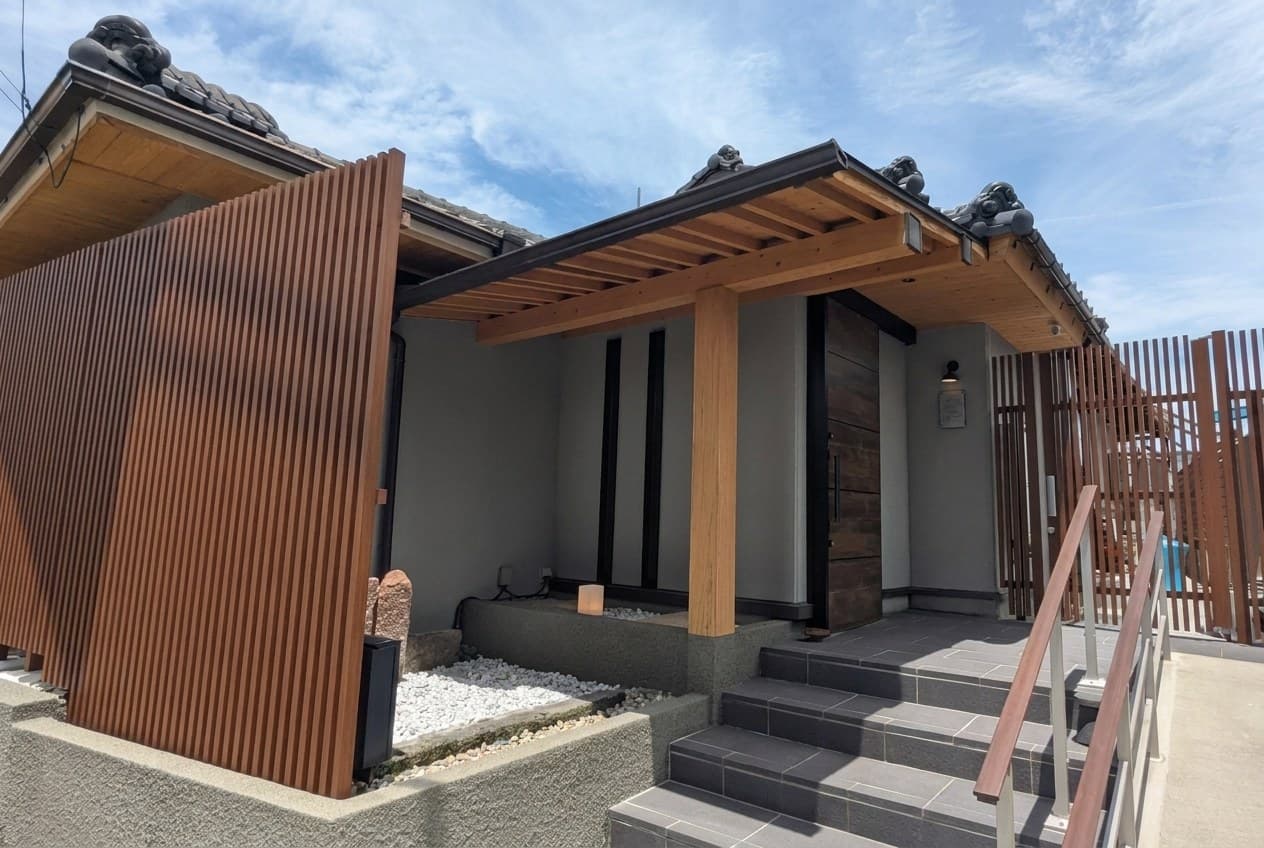
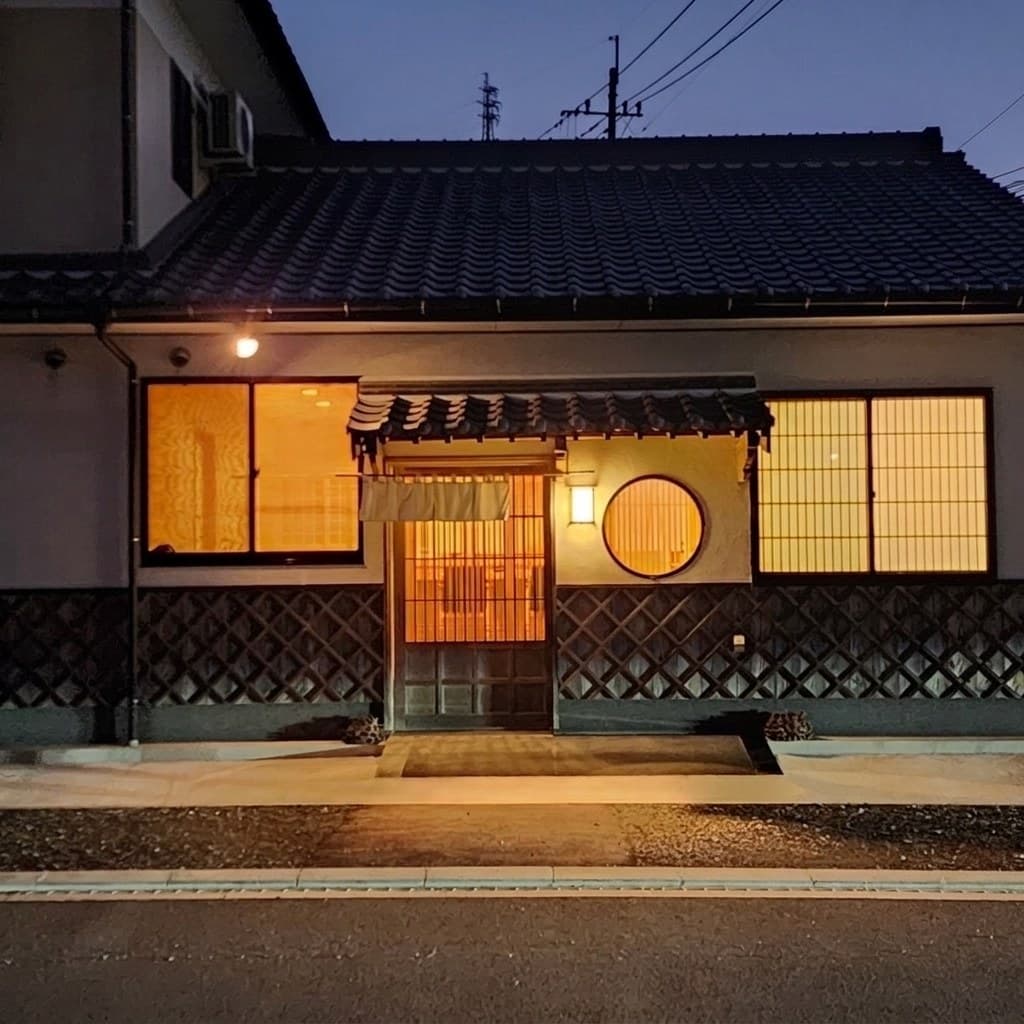
Karatsu is a castle town on the Genkai Sea known for two things: 430
years of pottery, and seven seats of sushi. Yuji Matsuo grew up in his
family’s local sushi shop, then spent two years commuting to Tokyo to
apprentice at Kiyota — the Ginza counter that shaped a generation of
chefs — before opening Tsukuta in 1993 with the conviction that has
defined it since: why imitate Tokyo when Karatsu’s own sea is this
good? He calls the result Karatsu‑mae — Edo‑style technique (the
curing, pressing and seasoning developed in old Tokyo) applied to the
fish of the Genkai Sea.
What you eat
Rice from a high‑school friend’s paddies, seasoned with red vinegar
and salt alone — no sugar, in the old Edo way. Around eighty percent
of the fish is local: kue (a winter grouper prized for its fat), squid
off a boat that morning, red prawns cured in kelp, shellfish from the
Ariake tidal sea that Tokyo counters simply never handle. It is served
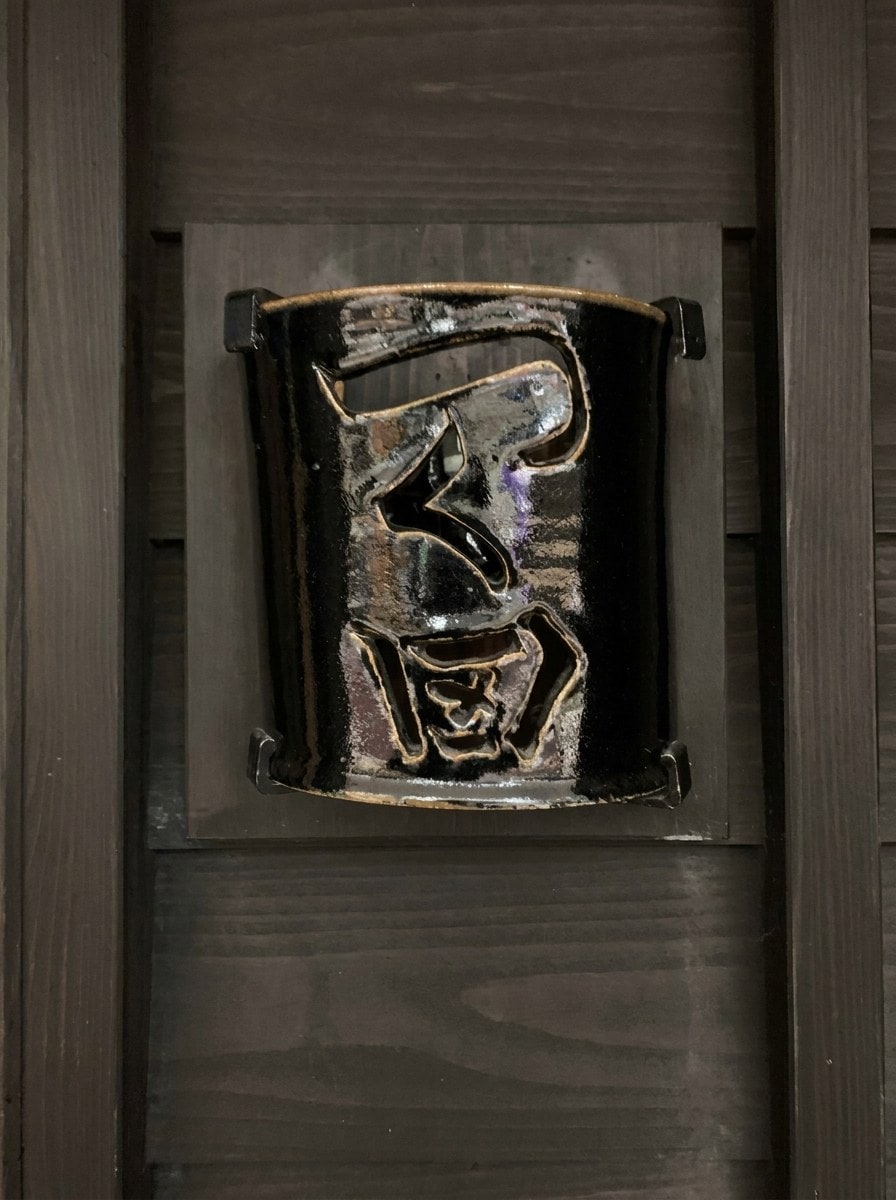
on Karatsu ware by Takashi Nakazato — the potter whose introduction to
Kiyota started this whole story. Sea, rice, and clay from the same few
kilometers.
The booking reality
Seven counter seats, two services a day, closed Mondays (Ikyu also
lists Tuesdays) — fewer than ninety covers a week. There is no published release day. The house takes bookings
by telephone in Japanese (0955‑74‑6665), which often goes unanswered
during service; through a request booking on Ikyu, confirmed by the
house; and through its LINE account. Dinner typically books two to
three months out, lunch is easier. Cancellation costs 50% four days
before and 100% from three days before. Every one of those channels
runs in Japanese — which is precisely the kind of follow‑up a Tokyo
desk handles as routine.
Are landing at Fukuoka — Asia’s easiest gateway into Japan, eighty
minutes away by direct train — and want a sushi dinner where the
whole town is part of the meal: the morning squid market of Yobuko,
the kiln of the very potter whose ceramics sit under your nigiri, and
a night at Yōyōkaku, the 1893 wooden ryokan (traditional inn) down the
road.
The house's cancellation charge
From 4 days before50%
From 3 days before100%
Same day, with notice100%
Same day, no notice (no-show)100%
Charged by the house, not by us. A plan's own policy takes precedence.
Free release-date alerts: the day before, on the morning of release day (08:00 JST) and about 30 minutes before when the time is known — or a weekly summary if the house opens a little every day.
Sushidokoro Tsukuta: common questions
Can you book Sushidokoro Tsukuta from abroad?
Yes, through our Tokyo desk. Seven seats; phone in Japanese (0955-74-6665 — often unanswered during service), an Ikyu request booking, or the house LINE. No published release day; dinner books two to three months out, lunch is easier. Smart-casual; children by consultation. We call the restaurant for you, in Japanese, and the ¥6,000-per-seat fee is charged only if we confirm your table — no seat, no fee.
Some of these links are referral links: if you book through them we may earn a small commission, at no extra cost to you. Restaurants never pay us to be listed or ranked. Editorial policy
Cite this page
Facts on this page were checked by our Tokyo desk. You are welcome to quote them with a link: