Kyoto rewards planning. Its best sushi counters and traditional houses are small, book quietly by phone, and often release seats a month or more ahead — so the traveler who arrives hoping to eat “tonight” almost always loses. Here is how booking actually works, and how to do it from abroad.
Start about a month out
The single most useful habit is lead time. Many Kyoto restaurants open reservations for a given month early in the preceding month, and the best dates are gone within days. If you know your travel dates, treat roughly one month ahead as your target window and request your preferred evening as soon as the window opens. Waiting until you land almost never works at the top counters.
The phone is still the front door
Kyoto is a traditional city, and many of its finest counters still take reservations only by telephone, in Japanese. There is often no booking form, no app, and no email. If you speak the language, call during business hours and be ready with your dates, party size, and any dietary notes. If you do not, do not force it — use one of the intermediaries below rather than risk a miscommunication that costs you the seat.
Use a hotel concierge or ryokan
For most overseas visitors, a good concierge is the most reliable route into Kyoto’s better tables. A luxury hotel or a traditional ryokan can:
- Call the restaurant in Japanese on your behalf.
- Confirm the exact date, time, seating, and price.
- Relay allergies or preferences accurately.
- Explain cancellation terms so there are no surprises.
Give them your dates and party size well ahead — ideally a month — and let them do the negotiating.
Understand “introduction‑only” houses
Some long‑established Kyoto restaurants operate on ichigen‑san okotowari — first‑time guests without an introduction are turned away. This is not rudeness; it is how these houses protect a quiet, regulars‑based room. For a first visit, the workaround is an introduction: a hotel, a ryokan, or a Japanese‑speaking concierge who is known to the restaurant. Even then, the house decides. Trying to book such a place cold, from abroad, will usually fail. We explain the full mechanics in why you can’t book Japan’s best restaurants.
Where to start in Kyoto
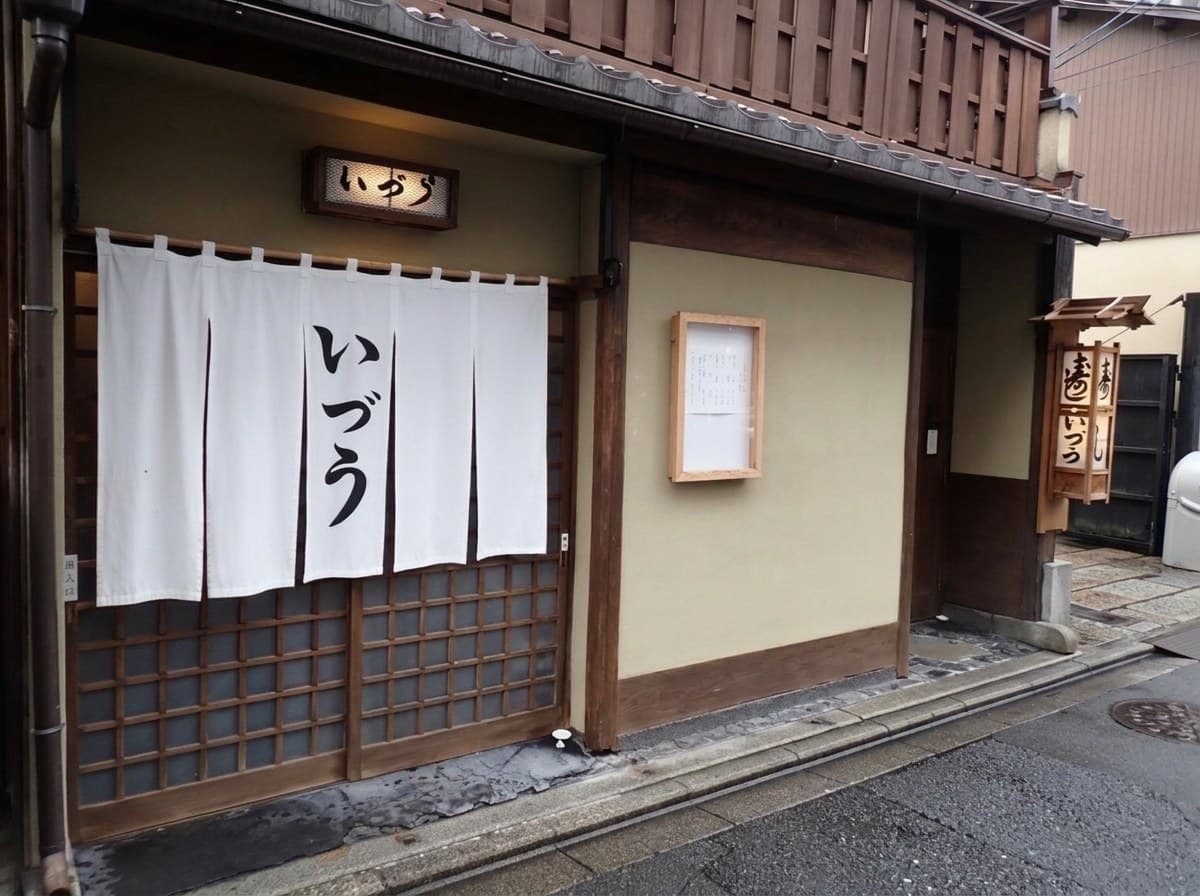
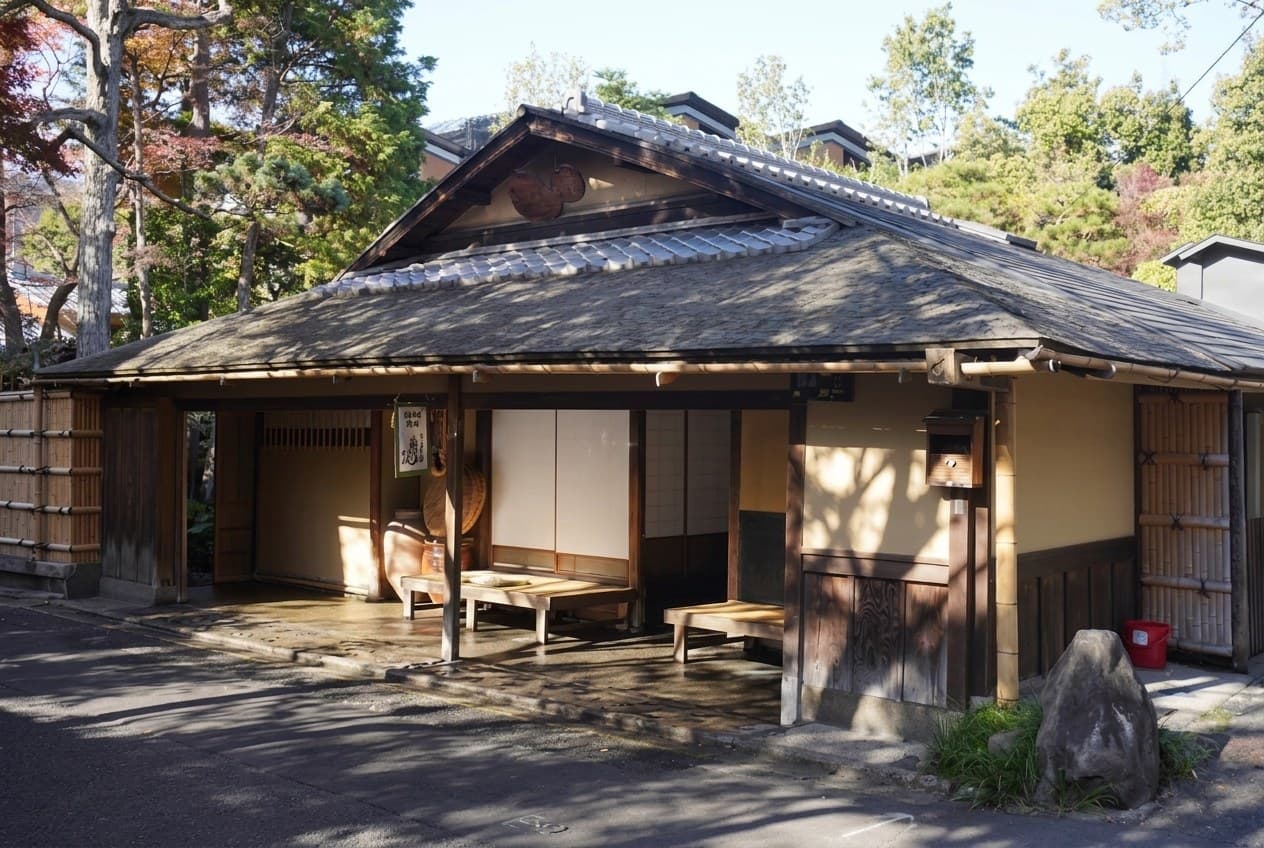
Not every great Kyoto meal is a hushed omakase counter. Izuu in Gion is a centuries‑old saba‑zushi (pressed mackerel sushi) house — a gentler introduction to Kyoto’s sushi tradition, with no booking battle at all: the small dining room is walk‑in only (closed Tuesdays), and takeaway boxes can be ordered ahead by phone. For a broader sense of the city’s classic tables, Hyotei, the historic Nanzenji kaiseki house, shows how far ahead Kyoto’s most storied rooms book — one to three months for kaiseki, though it now takes reservations online through TableCheck as well as by phone.
Plan your dates early, lean on a concierge for anything phone‑only, and Kyoto opens up. Leave it to the last minute, and the best seats will already be gone.