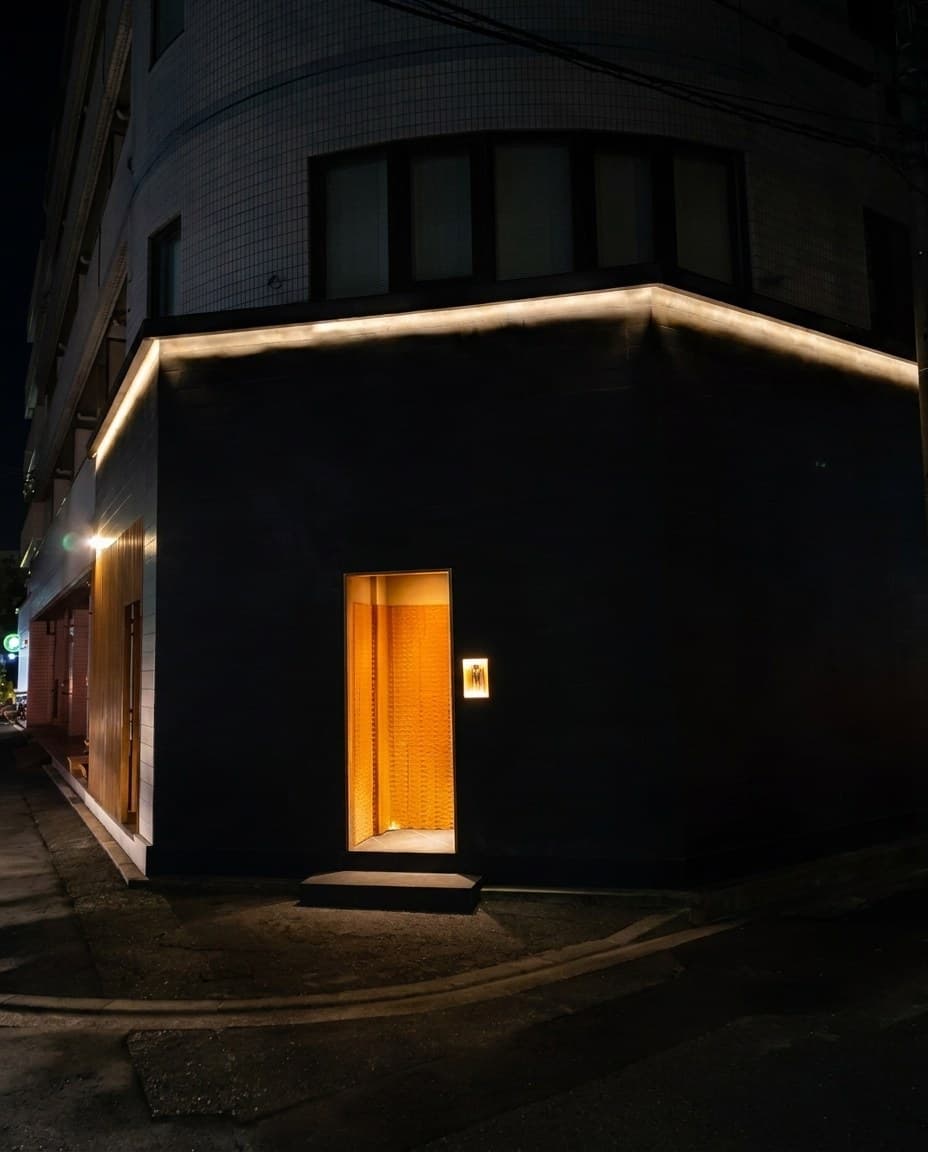
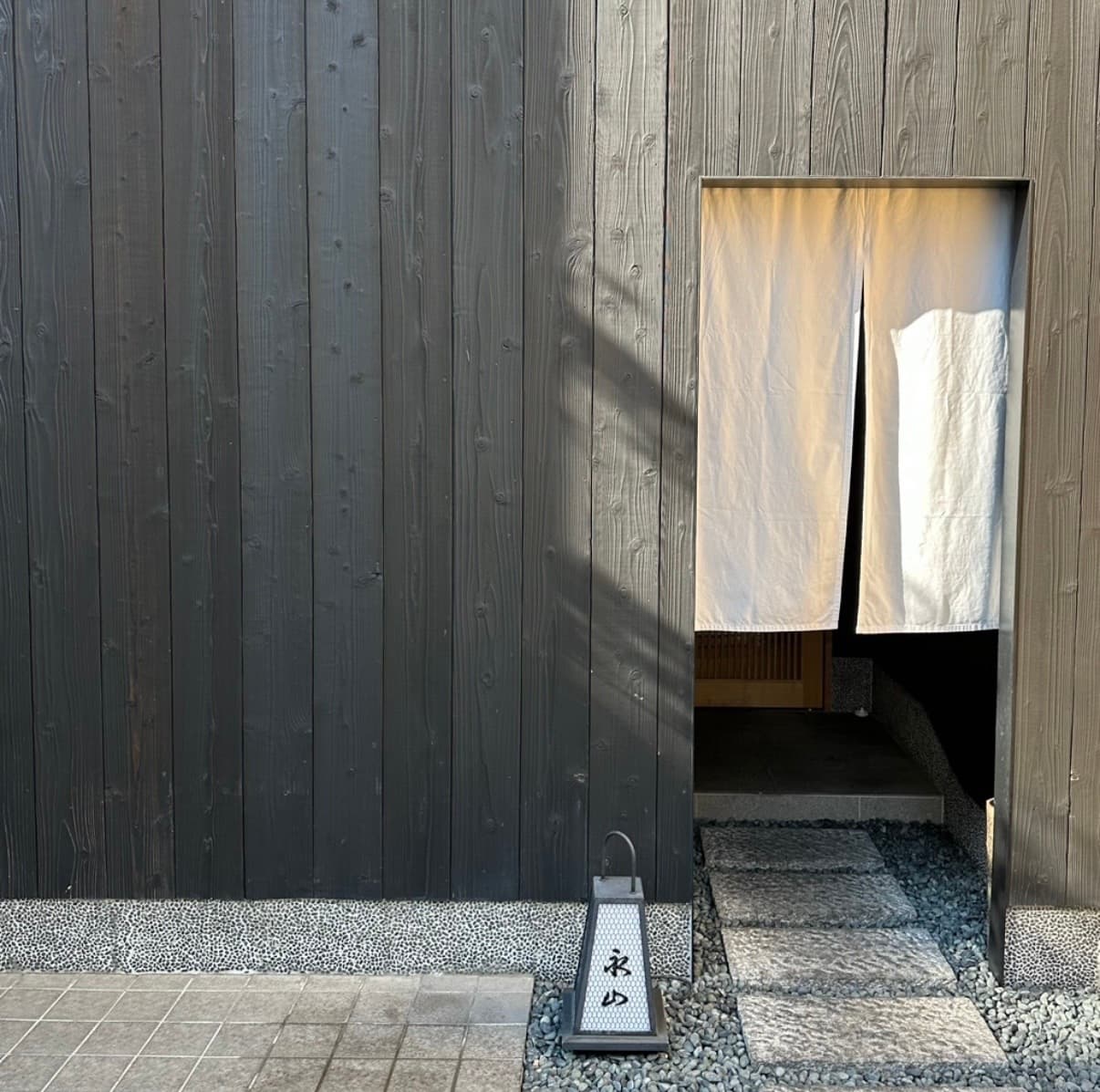
Hiroshima is a compact food city with a couple of genuinely hard tables and a lot of easy, wonderful ones. That balance makes it ideal for a focused 48 hours: win a single reservation, and the rest of the trip falls into place around oysters, okonomiyaki, and a short ferry to one of Japan’s most photographed shrines.
Before you go — the one booking
The anchor is Kisetsu Ryōri Nakashima, a husband‑and‑wife kaiseki counter of fourteen seats, one 18:30 seating, a single course at ¥24,250 including tax and service. Bookings are by phone in Japanese, or by registering a date on Pocket Concierge in English, which the house runs as a waiting list; there is no release day, but fourteen seats go quickly, and the house closes on Sundays and holidays. Book this first; the itinerary below assumes it lands on Day 1 — which therefore cannot be a Sunday.
Day 1 — the counter night
- Afternoon. Start at the Peace Memorial Park and Museum — sober, essential, and central. Walk the riverbanks afterward to reset.
- Late afternoon. Coffee and a first okonomiyaki as a snack: the Hiroshima style layers batter, a mound of cabbage, and noodles, griddled and stacked rather than mixed.
- Evening. Dinner at Nakashima. One seating, one course, no private rooms since the 2015 refit — just the counter and the season. If the format is new to you, read what kaiseki is beforehand; at ¥24,250 all‑in, this is among the least expensive meals of its kind in Japan, which is exactly why the fourteen seats go so fast.
Day 2 — the sea and the shrine
- Morning. Ferry to Miyajima to see the great vermilion torii of Itsukushima Shrine standing in the tide — the JR boat takes ten minutes and costs ¥200 each way, plus the island’s ¥100 visitor tax. Along the approach, stalls grill oysters by the shell and fold anago (sea eel) into rice.
- Midday. Oysters are the point in the cold months — the Seto Inland Sea grows most of Japan’s farmed oysters, at their best from roughly October to March. In summer, lean on anago‑meshi instead: Anagomeshi Ueno, beside the Miyajimaguchi ferry terminal, has made the definitive version since 1901, when it began as a station bento — expect a queue, or buy the box to eat on the water.
- Evening. Back in the city, a proper okonomiyaki hall sends you off well. Okonomimura, three floors of some two dozen competing griddles in one Shintenchi building, is the famous version of the form — pick the stall whose rhythm you like, sit at the steel, and pay around ¥1,000–1,500 for the full noodle‑layered stack (as of September 2026). If you would rather end at a counter, the four below all fit this evening.
Four more counters worth a booking
Hiroshima’s serious dining no longer stops at one address, and none of these four needs a lottery — only a call or an online request placed early enough.
- Eizan is the alternative anchor. Kotaro Masunaga, Hiroshima‑born and trained in Tokyo at Kagurazaka Ishikawa and Nihonryori Seizan, opened it in 2019 in Nobori‑cho, two minutes from the Kanayama‑cho tram stop: eight counter seats and a private room around a charcoal grill, mostly Seto Inland Sea fish, and one ¥19,000 omakase that is the same at lunch and dinner. Tabelog gave it a Bronze award in 2025 and 2026. Booking is by Japanese phone only, with no release day; two to three months ahead is the pattern for the counter, the private room lasts longer, and every seating starts together — lunch at 12:00 on Fridays and Sundays only, dinner at 18:00 or 19:00 — so call with two or three candidate dates. Closed Mondays. If Nakashima does not land, this is the Day 1 dinner; since Nakashima closes on Sundays, Eizan’s Sunday lunch is also the natural second serious meal.
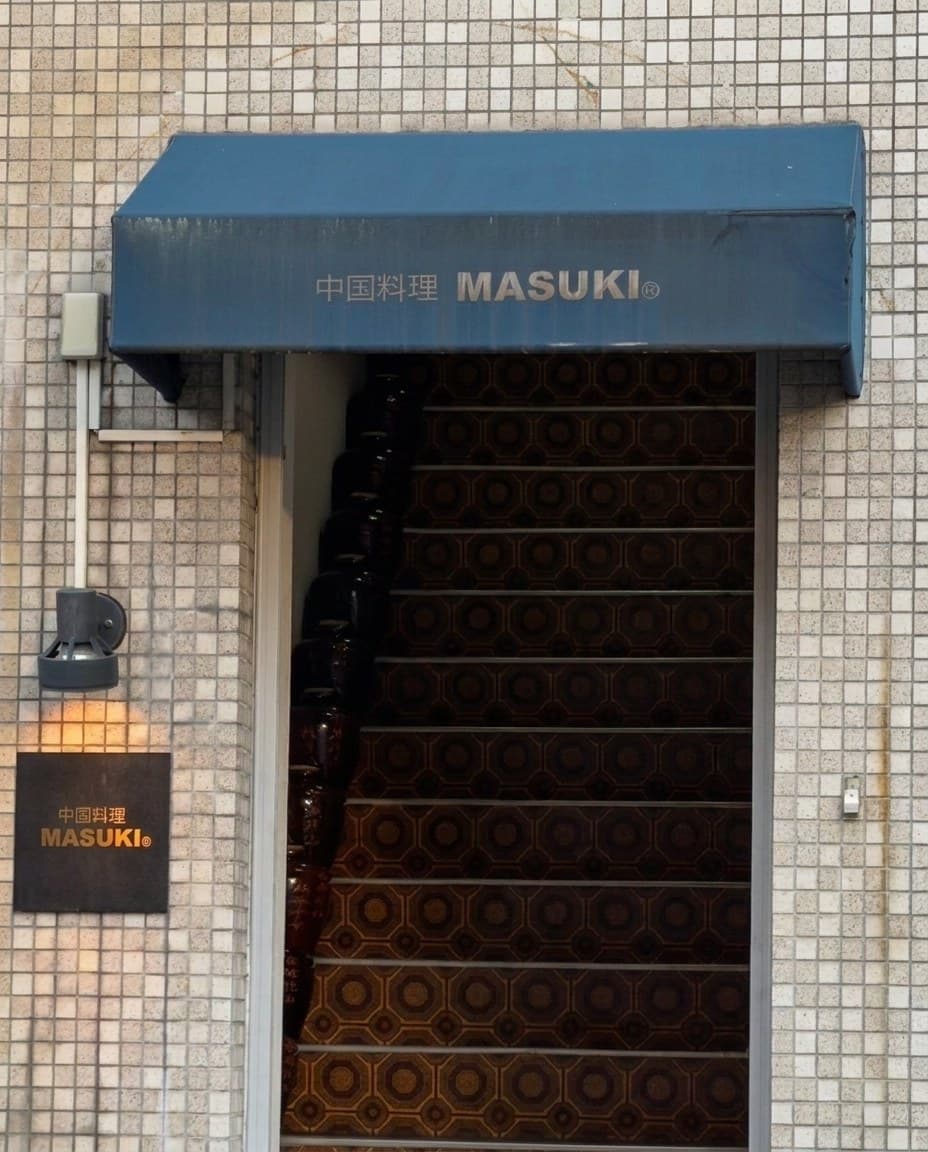
- Masuki is the city’s Chinese table of record: owner‑chef Toshiaki Masuki cooking about ten small courses alone for eight seats, ten minutes’ walk from Hiroshima Station. One omakase, ¥22,000 with tax on the current listing (the house says the figure moves with the season), one 18:30 start (18:00 on Sundays and holidays), closed Mondays. Prices are indicative, as listed on Tabelog (September 2026). A booking here is a promise: Ikyu request, Japanese phone or Instagram message at least three days ahead, no provisional holds, and cancellation fees from three days out. Ikyu’s listing admits no guests under eighteen.
- Sushi Ryogetsu, six seats in the Ginzan‑cho eating streets east of Hatchobori since 2023, serves one ¥15,400 omakase at 18:00, at 20:30 and at Sunday lunch — the 20:30 seating suits a late shinkansen arrival, the Sunday lunch a morning on Miyajima. Tabelog request or Japanese phone, up to the day before; a week or two ahead usually works. The bill is settled in cash.
- Sushi Inaho, a minute off Nagarekawa‑dori behind Mitsukoshi, calls its style Setouchi‑mae: Inland Sea fish on Shobara rice seasoned with two Hiroshima red vinegars. Dinner is ¥16,500 with no service charge; on Saturdays and Sundays a ¥9,900 lunch short course is the easy seat for travelers passing through. Phone in Japanese or Tabelog, a few days to a month ahead; twelve counter seats; closed Mondays.
If you have a third morning — sake
Hiroshima’s quiet food credential is sake. Saijo, roughly forty minutes east by local train, is one of Japan’s storied brewing towns — seven breweries with white‑walled kura and red‑brick chimneys within a single walkable district minutes from the station, most with tasting rooms, and a street sake festival each October. The soft local water makes a gentler, rounder style than the famous coastal regions; if the difference means nothing yet, our sake for beginners primer will fix that on the train out.
Getting there, realistically
Hiroshima is about 85 minutes from Osaka by shinkansen and roughly four hours from Tokyo. The things to plan hard are Nakashima’s fourteen seats and, if you want it, Eizan’s phone call two to three months out; the oysters and okonomiyaki look after themselves. If you want a second Japanese food city on the same trip, our 48 hours in Kanazawa pairs naturally — another compact town that eats far above its size. Tell us your dates and which night matters, and we will time the counter for you.