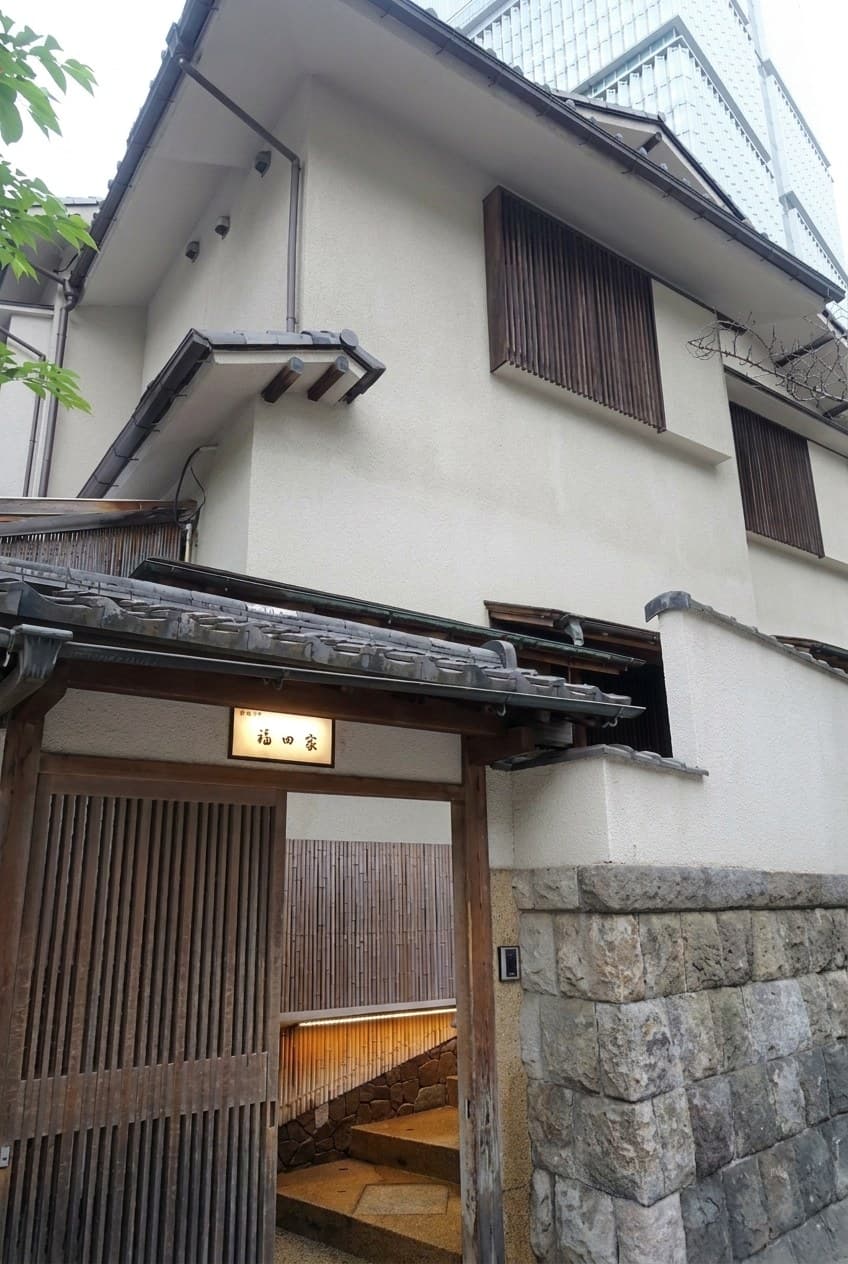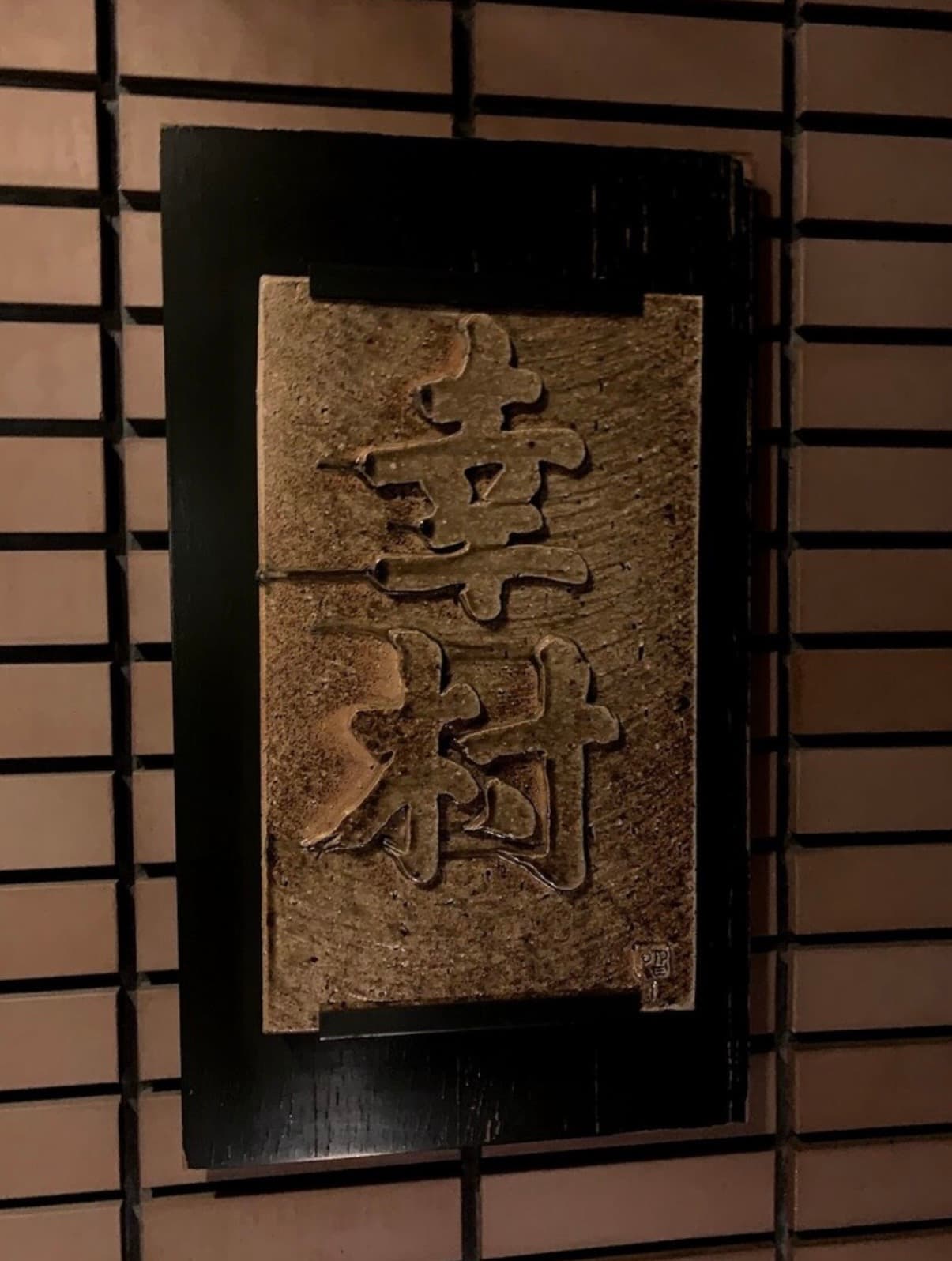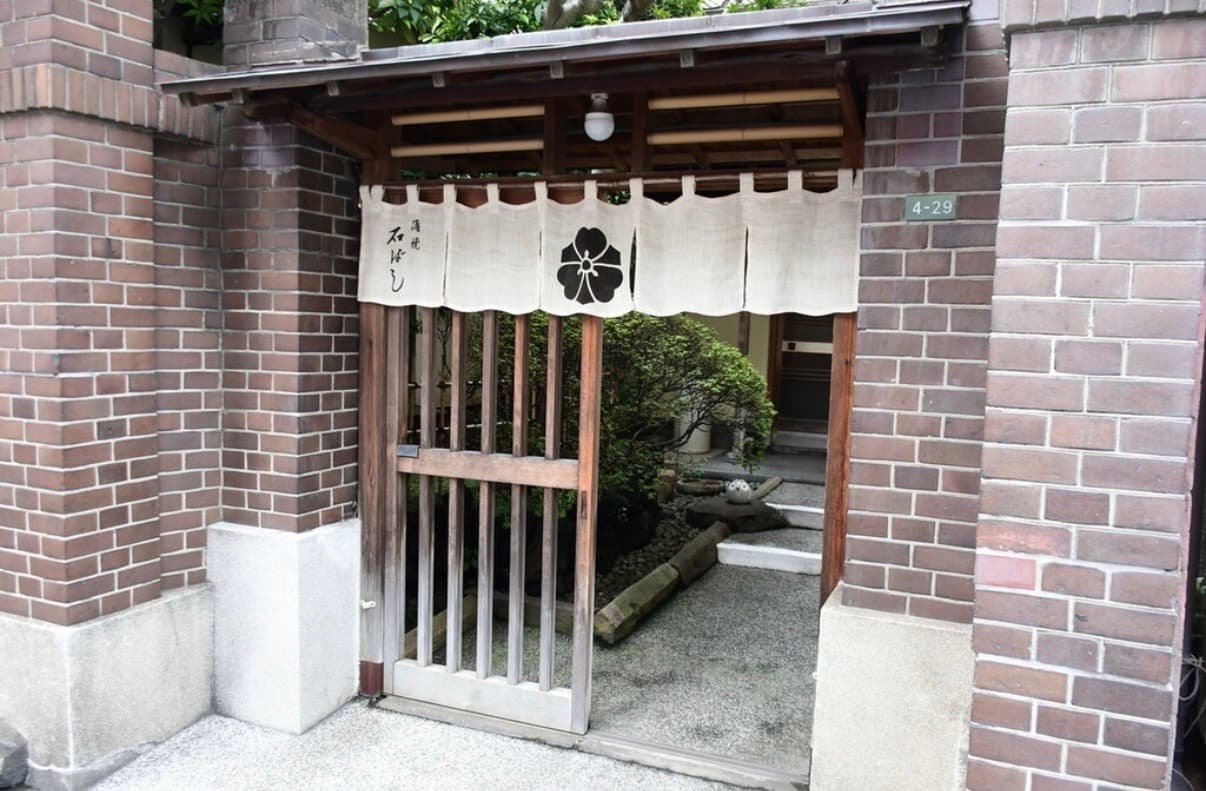
Ask where to eat three-star kaiseki in Tokyo and most lists point at counters you will never enter. The better answer hides in Kagurazaka, the old geisha quarter whose stone lanes hold something unique: a single family of restaurants that has produced multiple Michelin three-stars — and that, unlike the introduction-only legends, can genuinely be booked.
The lineage
Kagurazaka Ishikawa is the source: Hideki Ishikawa opened his intimate kaiseki room in 2003, and it has held three stars since 2009. Kohaku, opened in 2008 by Koji Koizumi — who helped build Ishikawa — earned its own three stars in the 2016 guide with a more modern hand: dashi-based kaiseki that is not afraid of caviar, truffle or shark fin (his courses famously run about ¥24,000 plus service, startling value at this level; Ishikawa itself sits somewhat higher). The group's third house, Ren, opened in 2009, continues the line at a gentler price. All three operate under one company, chefs move between the kitchens, and the standards travel with them — which is why the cooking stays coherent across three addresses within a few minutes' walk of each other in the same stone-paved quarter. Three-star cooking, one school, three doors — a structure with no parallel in Tokyo, and almost never explained in English. If the vocabulary is new, our kaiseki versus omakase primer explains what a meal here actually looks like.
How booking actually works
- Kohaku releases seats by telephone from midday on the 1st of each month, two months ahead. Weekend seats go the first day; weekdays survive longer.
- Ishikawa takes phone bookings and also lists on a Japanese reservation platform, where registered users can set vacancy alerts.
- Ren is the gentlest entry of the three.
None of this requires an introduction. It requires being awake at the right hour Japan-time, speaking Japanese on the phone, and knowing the schedule — which is to say, it rewards preparation, not connections.
The realistic arithmetic: calling Kohaku on the 1st for a weekday two months out succeeds far more often than not; a Saturday is a coin flip that gets worse every year. Cancellations do surface — these are small rooms with strict confirmation calls, and no-shows are refilled — but they surface on Japanese channels at short notice, which is why a desk in Tokyo catches them and an inbox in London does not.
Why this is the smart play
For the cost of one "impossible" obsession, a visitor can realistically sit inside one of the great kaiseki lineages of Japan. The dinner is not a consolation prize; by most serious eaters' reckoning these rooms belong in the city's absolute first rank. Compare the alternatives: the other bookable modern flagship, Den, fights a global reservation queue, and the introduction-only kaiseki legends are simply closed. Kagurazaka is the rare corner of the Tokyo dining map where the barrier is mechanical rather than social — and a mechanical barrier is one a Tokyo-side desk can genuinely solve.
We watch the release calendar, make the midday calls, and — when a month is already gone — track cancellations until a seat opens. Tell us which weeks you're in Tokyo; kaiseki at this level is one of the things we most reliably deliver.